
Boost Brain Health: Master Meal Prep with Greek Chicken Couscous
Prioritizing meal preparation with nutrient-dense foods like protein, fiber-rich carbs, colorful vegetables, and healthy fats can consistently fuel your brain and support cognitive function.
Written by the Fitness Tutor editorial pipeline from 1 primary source. How we source →
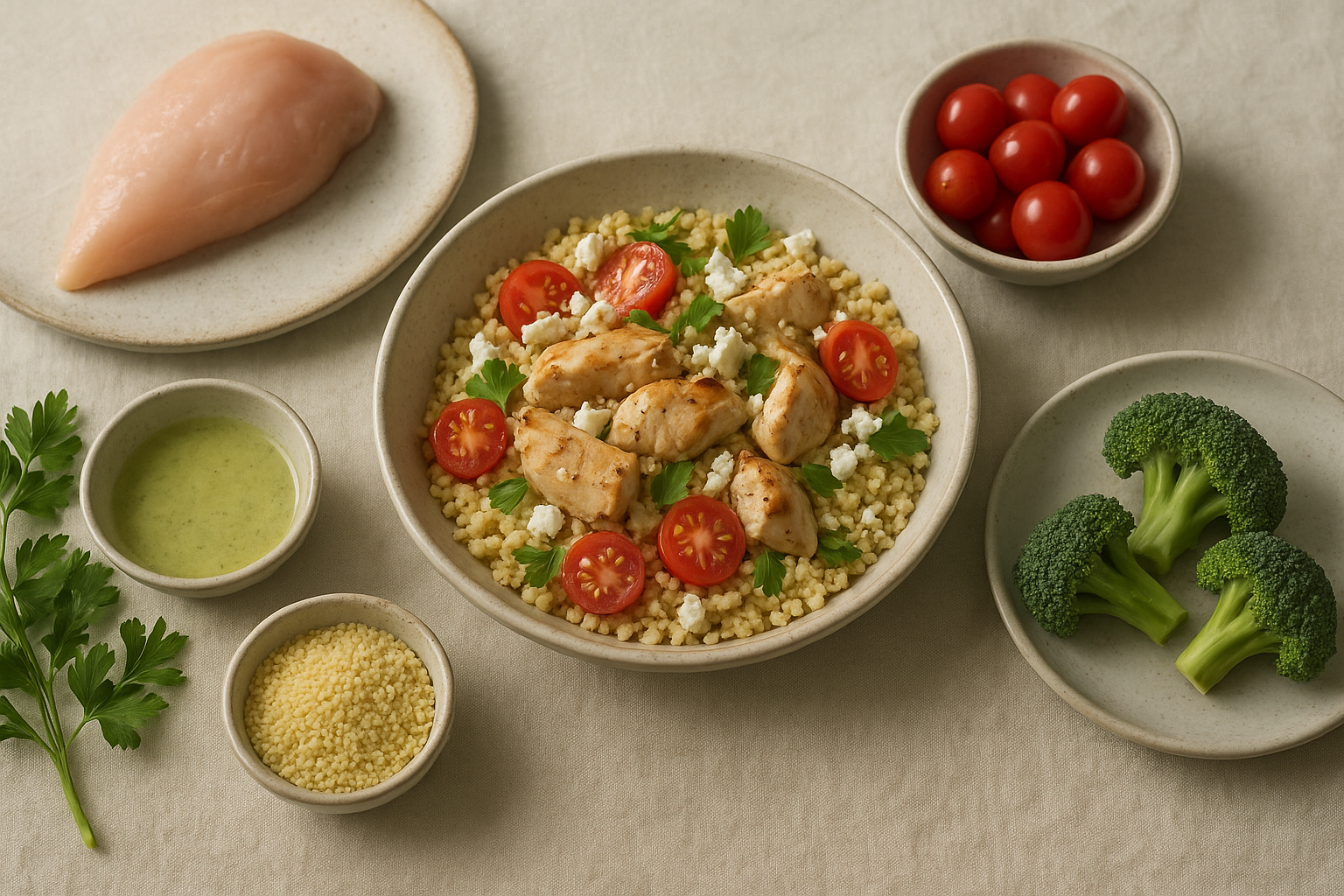
Life can get hectic, making it tough to stick to healthy eating habits. That's where meal prepping comes in. It's a practical strategy to ensure consistent nutrition, especially for brain health, even on the busiest days Source.
Why Brain-Focused Meal Prep Helps
Your brain is a high-energy organ, consuming about 20% of your daily energy. It needs consistent, quality fuel to support everything from meetings to workouts and daily decisions. Research consistently links dietary patterns rich in vegetables, legumes, whole grains, healthy fats, and lean protein with better cognitive function and healthier brain aging Source.
Meal prepping helps you maintain these beneficial eating patterns. When nutritious meals are already prepared, you're less likely to skip meals or opt for less healthy, convenience foods that can lead to energy crashes and reduced focus.
Prioritizing Key Nutrients for Focus
When planning meals, focus on four key components to support brain health:
Protein for Neurotransmitters
Protein is crucial. It supplies amino acids necessary for producing neurotransmitters, which are involved in attention, learning, and mood. Adequate protein intake can lead to increased satisfaction and fewer cravings later in the day, helping you avoid less healthy snack choices.
Fiber-Rich Carbohydrates for Steady Energy
Carbohydrates provide the brain's primary energy source. Opting for fiber-rich carbohydrates helps ensure a steady release of glucose, preventing sharp energy spikes and subsequent crashes that can affect concentration.
Colorful Vegetables for Protection
"Eat your vegetables" is common advice for a good reason. Colorful vegetables are packed with vitamins, minerals, and antioxidants. These compounds play a vital role in protecting neurons (brain cells) from oxidative stress, contributing to overall brain health.
Healthy Fats for Long-Term Support
Healthy fats, particularly those found in extra virgin olive oil, provide essential nutrients that support long-term brain health. While important, it's good to measure fats as their calories can add up. Olive oil offers numerous benefits for cognitive function.
Focusing on these whole food groups as your primary source of nutrition helps create meals that are both nourishing and supportive of stable energy, concentration, and cognitive function.
Featured Meal Prep: Greek Chicken Pearl Couscous Salad
This week's meal prep suggestion is a Greek Chicken Pearl Couscous Salad. While the full recipe details are behind a paywall, the concept aligns perfectly with brain-healthy eating principles. It likely combines lean protein (chicken), fiber-rich carbohydrates (pearl couscous), colorful vegetables, and healthy fats, embodying a balanced approach to fueling your brain for the week ahead Source.
Key takeaways
- 01Meal prepping ensures consistent healthy eating, especially when busy, preventing reliance on less nutritious options.
- 02A well-fueled brain, consuming 20% of daily energy, thrives on balanced nutrition for cognitive function.
- 03Prioritize protein for neurotransmitter production, fiber-rich carbs for stable energy, and colorful vegetables for antioxidants.
- 04Include healthy fats like olive oil to support long-term brain health and overall nutrient absorption.
- 05Greek Chicken Pearl Couscous Salad exemplifies a brain-healthy meal with its mix of lean protein, fiber, and healthy fats.
Frequently asked
Why is meal prepping so important for brain health?+
Meal prepping ensures your brain gets a consistent supply of necessary nutrients. It helps maintain stable energy, concentration, and cognitive function by preventing skipped meals or choices of lower-quality foods during busy times.
What kinds of foods should I focus on for better brain function?+
Focus on a variety of whole foods including lean proteins, fiber-rich carbohydrates, plenty of colorful vegetables, and healthy fats like olive oil. These provide the amino acids, steady energy, antioxidants, and essential nutrients your brain needs.
Does eating enough protein really help with focus?+
Yes, protein provides the building blocks (amino acids) for neurotransmitters that are crucial for attention, learning, and mood. Consuming enough protein can help you feel more focused and satisfied, reducing cravings for less healthy snacks.
Are all carbohydrates bad for brain health?+
No, not at all. Fiber-rich carbohydrates are beneficial as they provide a steady supply of energy (glucose) to the brain, preventing energy crashes that can affect focus and cognitive performance. The key is to choose complex, fiber-rich options over refined sugars.
Sources
Every briefing is drafted from primary sources - official announcements, vendor blogs, and reputable industry reporting - then edited by our pipeline.
More on Whole Foods
See all →Jul 20, 2026
Meal Prepping for Brain Health: Greek Chicken Couscous Salad
Prioritizing meal prep with nutrient-dense foods like protein, fiber-rich carbs, colorful vegetables, and healthy fats can support brain function and consistent healthy eating habits, especially during busy weeks.
Jul 20, 2026
Boost Brain Health: Greek Chicken Pearl Couscous Meal Prep
Prioritizing protein, fiber-rich carbs, colorful vegetables, and healthy fats through meal prepping can support better cognitive function and stable energy throughout your busy week.
Jul 20, 2026
Boost Brain Function: The Power of Meal Prepping Whole Foods
Meal prepping can significantly improve brain function and consistent nutrition by prioritizing whole foods rich in protein, fiber, healthy fats, and colorful vegetables.
Jul 20, 2026
Unpacking Weight Loss Claims: Separating Fact From Fiction
Online promotions for weight loss supplements often feature exaggerated claims, celebrity endorsements, and fabricated 'Shark Tank' investments to market products like 'Trimology Weight Loss Supplements.'
Free account
Want to go deeper?
Sign up free to unlock the full daily industry feed, save posts and articles to your library, and chat with the coach about anything you read.