
Whole FoodsJan 1, 1970
Whole Food Meal Prep for Beginners: Your Essential Guide
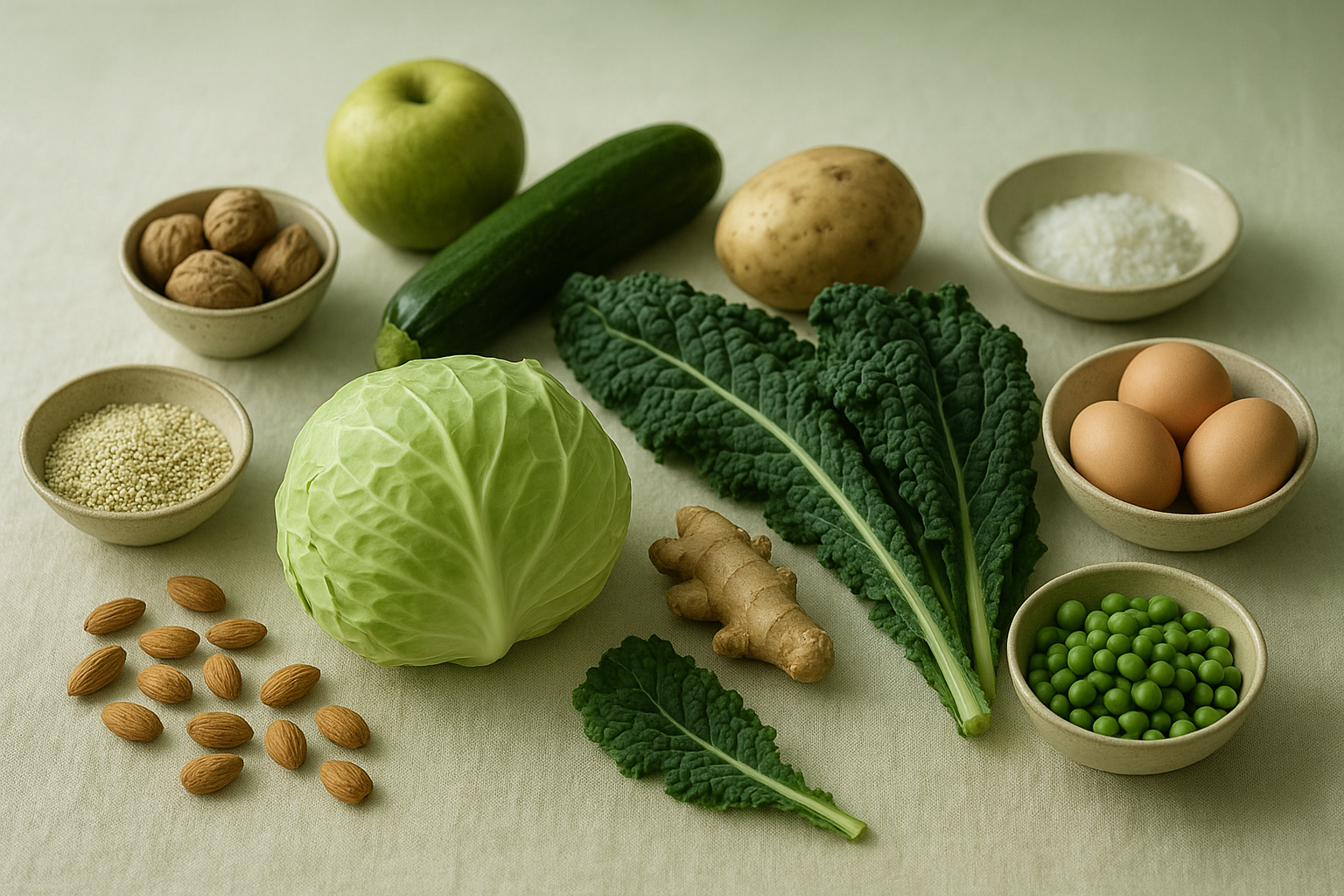
This lesson guides beginners through whole food meal preparation, offering practical steps to save time and promote a nutrient-rich eating pattern.
Lesson Library
Every post Nutrition Tutor Academy has published, newest first. Filter by pillar or search titles.
This lesson guides beginners through whole food meal preparation, offering practical steps to save time and promote a nutrient-rich eating pattern.
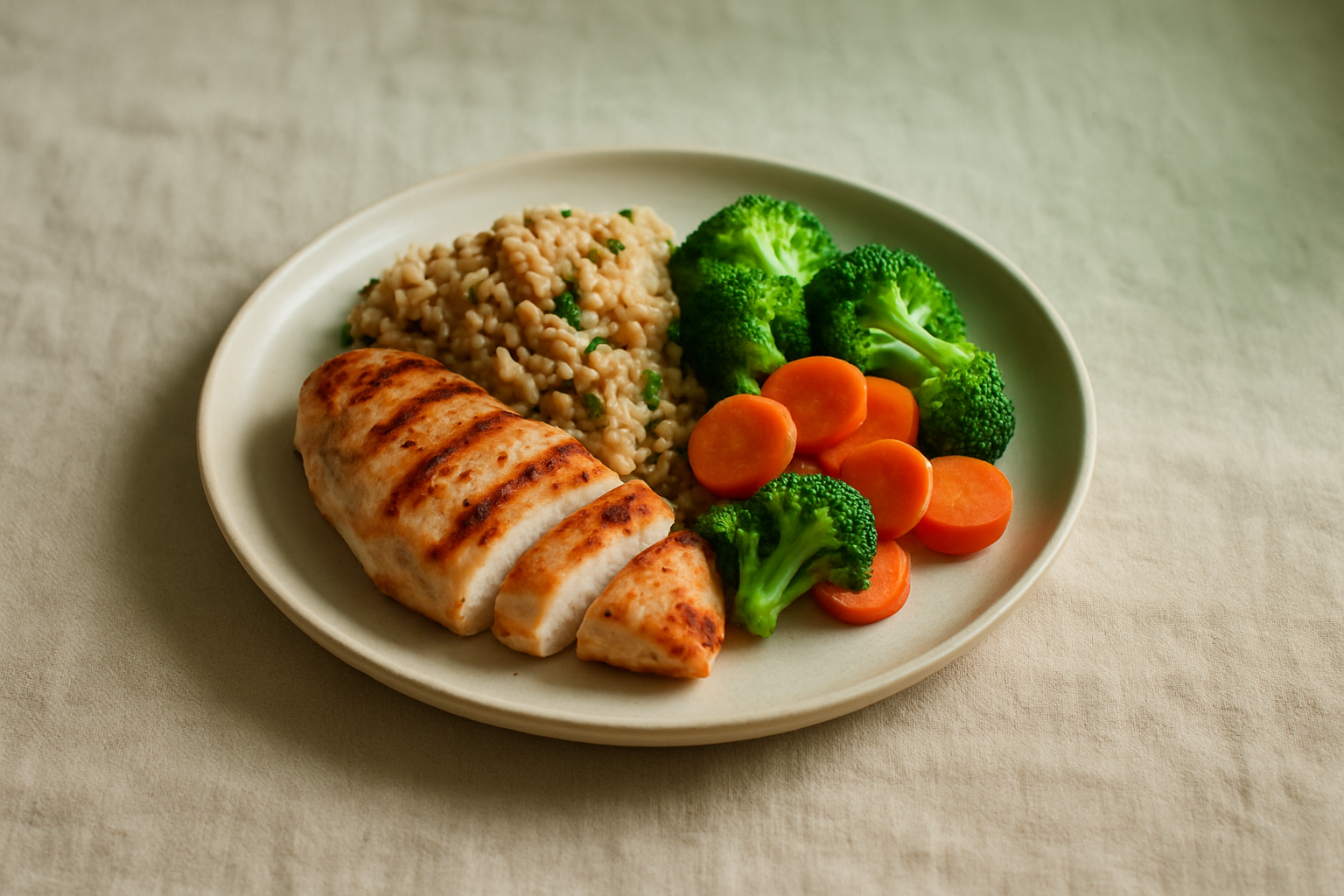
Learn whether calories or macronutrients matter more for fat loss, muscle retention, and long-term metabolic health.
This lesson explains carb cycling, a dietary strategy that varies carbohydrate intake daily or weekly to support fitness and health goals, differentiating between high-carb and low-carb days.
This lesson explores the nutritional profile of potatoes, clarifying if they qualify as a healthy whole food and how their preparation impacts their health benefits.
Learn how to determine your ideal daily carbohydrate intake based on your energy needs, activity level, and health goals, ranging from general recommendations to specific dietary approaches.
This lesson explains how canned beans fit into whole food definitions, distinguishing them from ultraprocessed foods often high in added sugars, saturated fat, or sodium.
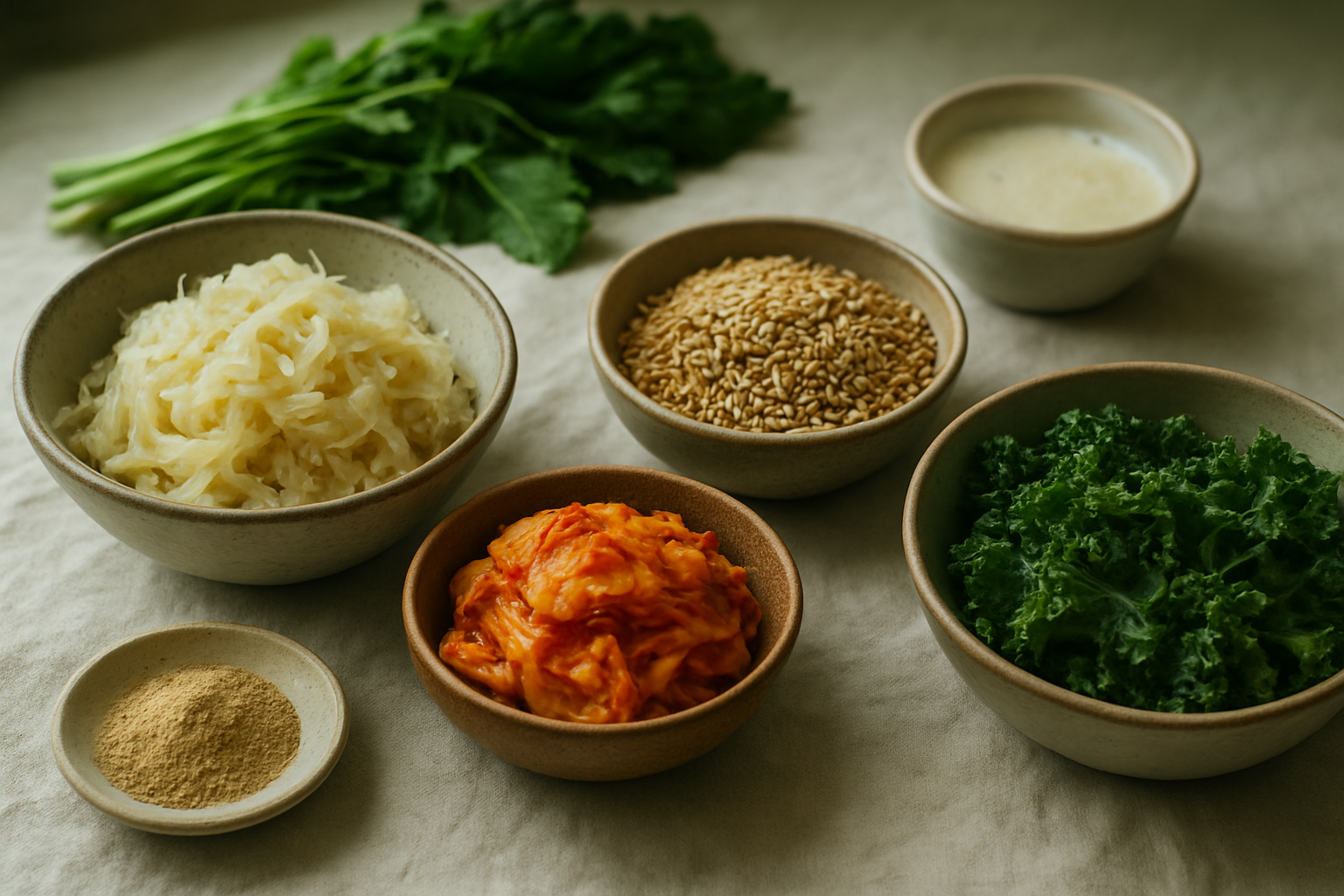
Learn how dietary choices, including eating diverse plant-based foods and fermented products, along with lifestyle factors, can naturally support a healthy gut microbiome for overall well-being.
Discover how incorporating high-protein foods can support weight loss by enhancing satiety, preserving muscle, and boosting metabolism.
This lesson explains how an unhealthy gut, often characterized by an imbalanced microbiota or 'dysbiosis,' may manifest through various physical and systemic symptoms, impacting overall health.
This lesson explains the distinctions between processed and ultra-processed foods, focusing on their processing level, ingredients, and potential nutritional impacts to help you make informed dietary choices.
Learn the best food sources for both soluble and insoluble fiber and understand their distinct roles in supporting human gut health and overall well-being.
This lesson explores how bread is classified across different levels of food processing, from minimally processed to ultra-processed, depending on its ingredients and production methods.
This lesson details the typical protein content of an egg, factors influencing it, and how to incorporate eggs into a protein-rich diet.
This lesson outlines how to choose and use cooking oils that support a whole food diet, focusing on unrefined options and appropriate uses for different oils.
This lesson details the best sources of healthy fats, focusing on plant-based options like olive oil, seed oils, nuts, and avocados, which may support heart health and maintain healthy cholesterol levels.
Discover if kombucha lives up to its health claims, particularly regarding its potential benefits for gut health and how its components may interact with your body.
Learn to stock your pantry with a variety of whole and minimally processed foods, focusing on categories like grains, fruits, vegetables, lean proteins, and healthy fats, to support a balanced and nutritious diet.
Discover practical whole food swaps for popular snacks to enhance your diet with more nutrients and fewer ultra-processed ingredients, aligning with principles of eating real food.
Discover common food categories and specific examples that often lead to bloating, understand why they cause discomfort, and learn strategies to manage these effects.
Learn how eating seasonal produce can enhance nutrient intake, support variety in your diet, and contribute to overall health by providing diverse phytonutrients.
This lesson explains how yogurt, particularly its probiotics, can support digestive health and the factors influencing its effectiveness.
This lesson explains what makes quinoa a complete whole food protein, its nutritional benefits, and how to incorporate it into a balanced diet.
Discover how different types of fiber and specific fiber-rich foods can help manage and relieve constipation by supporting healthy digestion.
This lesson explains how different types of dietary fiber contribute to lower cholesterol levels through various mechanisms, including binding bile acids, reducing cholesterol absorption, and influencing gut microbiota.
This lesson explores the role of probiotic supplements in supporting gut health, emphasizing that a diverse diet and lifestyle factors are primary drivers of a healthy microbiome.
This lesson compares kefir and yogurt, highlighting their differences in probiotic content, fermentation, and texture, to help you choose which may better support your gut health.
This lesson explains that carbohydrate intake alone does not directly cause weight gain; rather, consistently consuming more calories than your body expends, regardless of the macronutrient source, leads to weight gain.
This lesson explains how vegetarians can effectively meet their daily protein needs by focusing on diverse plant-based sources and strategic meal planning.
This lesson explains how optimizing carbohydrate timing, especially in the morning and around physical activity, can support sustained energy levels and metabolic health.
Discover how the gut and brain communicate bidirectional through a complex network of nerves, hormones, and immune pathways, influencing both physical and mental health.
This lesson explains what a caloric deficit is, how it relates to energy balance, and its role in weight management.
This lesson explains why persistent hunger might occur on a low-carb diet, focusing on nutrient deficiencies, inadequate calorie intake, and hormonal responses to restrictive eating patterns.
This lesson explains that weight gain is primarily linked to an energy surplus, not solely carbohydrate intake, and highlights the importance of overall dietary balance.
Learn how a caloric deficit works, why it's a key principle for weight management, and how to calculate your individual needs.
This lesson explains what "leaky gut" or increased intestinal permeability means, its proposed mechanisms, and how it relates to overall gut health.
This lesson explains how carbohydrate timing can be optimized for sustained energy, focusing on pre-workout, during exercise, and post-workout intake for different activity levels.
This lesson explains that protein provides approximately 4 calories per gram and how this value fits into understanding your daily nutritional needs.
This lesson explains the interconnected roles of calories and macronutrients, helping you understand which factor is more critical based on your specific dietary objectives.
This lesson explains the optimal protein intake per meal for stimulating muscle protein synthesis, considering factors like total daily intake, meal frequency, and individual needs.
Learn how to calculate your daily macronutrient needs (protein, fats, and carbohydrates) by determining your calorie target and then distributing calories among macros based on common percentage ranges or grams per kilogram of body weight.
Learn the ideal protein targets per meal, leucine thresholds, and daily distribution strategies to optimize muscle protein synthesis and recovery.
Learn practical methods like hand portions, visual estimation, and food logging to track macronutrients effectively without relying on a food scale.
Learn how much protein to consume per meal to maximize muscle protein synthesis and support muscle growth, based on current nutrition science.
Discover how fermented foods contribute to health through unique sensory properties, potential health benefits, and their role in sustainable food systems.
This lesson explains the fundamental differences between simple and complex carbohydrates, including their chemical structure, digestion rates, and impact on blood sugar.
This lesson explains the distinct roles of prebiotics and probiotics in gut health, detailing how prebiotics are non-digestible fibers that feed beneficial gut bacteria, while probiotics are live beneficial microorganisms themselves.
Understand the distinct roles of calories and macronutrients to effectively manage your energy intake and nutrient distribution for various health and fitness goals.
Learn how to interpret food labels to identify minimally processed, whole foods by focusing on ingredient lists, nutritional panels, and understanding processing levels.
Learn how to calculate your daily fat intake based on total calories, typically ranging from 20-35% of your daily energy needs, focusing on healthy unsaturated fats.
This lesson explores how to build a nutrient-dense breakfast with whole foods, focusing on options that can support overall well-being and provide sustained energy.