
When is the Best Time to Eat Carbs for Energy?
This lesson explains how carbohydrate timing can be optimized for sustained energy, focusing on pre-workout, during exercise, and post-workout intake for different activity levels.
Written by the Nutrition Tutor Academy teaching team from 1 primary source. How we source →
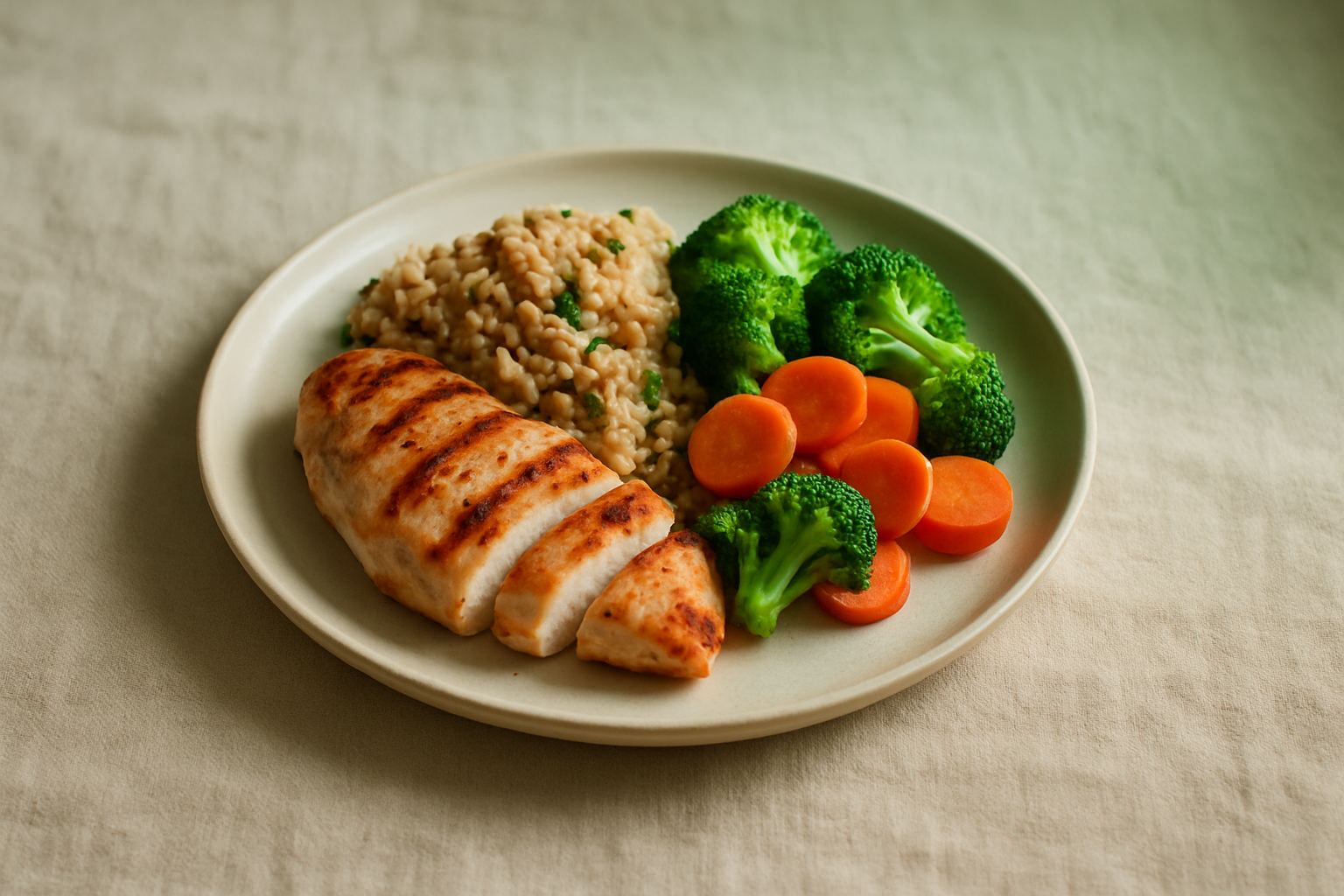
Quick answer: The best time to eat carbohydrates for energy depends on activity levels and goals. For immediate energy, simple carbohydrates are beneficial before or during exercise. For sustained energy and recovery, complex carbohydrates are optimal throughout the day, especially in meals leading up to and following physical activity, to replenish glycogen stores.
Quick facts
- Carbohydrates are the body's primary energy source.
- Timing depends on type of activity and individual goals.
- Simple carbs offer quick energy, while complex carbs provide sustained release.
- Pre-exercise carbs can fuel performance, especially for longer durations.
- Post-exercise carbs are crucial for glycogen replenishment and recovery.
- Overall daily intake matters more than precise timing for general health.
Carbohydrates are macronutrients that serve as the body's primary source of energy. They are broken down into glucose, which is used immediately for fuel or stored as glycogen in the liver and muscles for later use. Strategic timing of carbohydrate intake can significantly impact energy levels, athletic performance, and recovery.
What Types of Carbs Provide Energy?
Carbohydrates are broadly categorized into simple and complex. Simple carbohydrates, found in fruits, dairy, and sugars, are quickly digested and provide a rapid burst of energy. Complex carbohydrates, found in whole grains, vegetables, and legumes, are digested more slowly, offering a sustained release of energy and helping to maintain stable blood sugar levels. Both types contribute to the body's energy supply, but their impact on blood glucose and energy availability differs based on their molecular structure.
When Should You Eat Carbs for Quick Energy?
For quick energy, particularly before or during short-duration, high-intensity activities, simple carbohydrates are often recommended. Consuming easily digestible carbs like a banana or a small serving of fruit juice 30-60 minutes before a workout can provide readily available glucose. During prolonged exercise (over 60 minutes), consuming simple carbs, such as energy gels or sports drinks, can help sustain energy levels and delay fatigue.
When is the Best Time for Sustained Energy?
To ensure sustained energy throughout the day, focus on consuming complex carbohydrates as part of your main meals. Foods like oats, brown rice, quinoa, and whole-wheat bread offer a steady supply of glucose. For example, a breakfast of oatmeal with berries can provide lasting energy for a morning, while a lunch with brown rice and vegetables can fuel an afternoon's activities. This approach helps stabilize blood sugar and prevents energy crashes.
How Do Carbs Support Exercise Performance?
Carbohydrates are critical for fueling exercise, especially for moderate to high-intensity activities. Before exercise, consuming carbohydrates helps top off muscle and liver glycogen stores, which are essential fuel reserves. For instance, an athlete preparing for a marathon might engage in carbohydrate loading in the days leading up to the event, increasing their carbohydrate intake to maximize glycogen stores. During exercise, particularly events lasting over an hour, supplemental carbohydrate intake can prevent depletion of these stores and maintain performance. After exercise, consuming carbohydrates helps replenish depleted glycogen, which is vital for recovery and preparing for the next training session. For example, a 70 kg individual performing an hour of moderate-intensity cycling might use approximately 40-50 grams of carbohydrates from their glycogen stores. To replenish this, they would aim for a post-workout meal or snack containing roughly 50-70 grams of carbohydrates within an hour or two after exercise.
Are There Any Concerns with Carb Intake and Health Markers?
While this lesson focuses on carbohydrate timing for energy, it's worth noting that overall dietary patterns, including carbohydrate sources and the balance of macronutrients, can influence health markers. For example, a diet emphasizing whole, unprocessed foods, like the DASH diet, which includes plenty of fruits, vegetables, and whole grains (high in complex carbohydrates), may support cardiovascular health. One study observed that a DASH diet, which was higher in carbohydrates (57% of calories) and lower in saturated fat (6% of calories) compared to a Western diet, led to a decrease in LDL-C by 10% and apolipoprotein B by 6%, key markers related to cardiovascular disease risk Source. This suggests that the quality and overall balance of your carbohydrate intake, alongside other macronutrients, play a significant role in long-term health.
What About Carbs for Recovery After Exercise?
Post-exercise carbohydrate intake is crucial for replenishing muscle glycogen, especially after intense or prolonged workouts. The body is most efficient at absorbing carbohydrates and converting them to glycogen within the first 30-60 minutes after exercise, often referred to as the "anabolic window." Aim for a combination of carbohydrates and protein during this time to optimize recovery. For example, a recovery snack might be a smoothie with fruit (simple carbs), oats (complex carbs), and protein powder. For a 60 kg person after an intense workout, consuming 60-90 grams of carbohydrates and 20-30 grams of protein within this window can significantly aid recovery.
Key takeaways
- 01Carbohydrates are the body's main energy source, stored as glycogen in muscles and liver.
- 02Simple carbs provide quick energy bursts, ideal for immediate pre-workout fuel or during prolonged exercise.
- 03Complex carbs offer sustained energy release, best for daily meals to maintain stable energy levels.
- 04Optimal timing for athletes includes pre-exercise fueling, intra-exercise replenishment, and post-exercise recovery.
- 05Post-exercise carb intake, ideally with protein, is vital for rapid glycogen replenishment within the first hour after activity.
Frequently asked
Should I eat carbs before a morning workout?+
For a morning workout, especially if it's intense or long, consuming easily digestible simple carbohydrates (like half a banana or a small rice cake) 30-60 minutes prior can provide readily available fuel. For lighter exercise, it may not be necessary.
What's the difference between simple and complex carbs for energy?+
Simple carbohydrates are quickly broken down, offering a rapid energy spike. Complex carbohydrates are digested more slowly, providing a sustained, gradual release of energy, which helps maintain stable blood sugar levels.
Can I eat too many carbs for energy?+
Consuming carbohydrates beyond your energy needs can lead to excess glucose being stored as fat. Balancing your carbohydrate intake with your activity level and overall dietary goals is key to optimizing energy without excess storage.
Are carbs necessary after every workout?+
Carbs are most crucial after intense or prolonged workouts to replenish muscle glycogen stores, which are vital for recovery. For shorter, less intense workouts, adequate daily carbohydrate intake may suffice, but a small carb-rich snack can still aid recovery.
Do carbs make me sleepy?+
While complex carbohydrates provide sustained energy, some people may experience a post-meal dip in energy, often referred to as a "food coma," particularly after large meals high in refined carbohydrates. This is often due to a rapid rise and fall in blood sugar.
What are good carb sources for sustained energy?+
Excellent sources for sustained energy include whole grains (oats, brown rice, quinoa), starchy vegetables (sweet potatoes, corn), legumes (beans, lentils), and whole-grain breads.
Sources
Every lesson is drafted from primary sources - official announcements, vendor blogs, and reputable industry reporting - then edited by our pipeline.
More on Macros & Energy
See all →Jan 1, 1970
Carb Cycling Explained: A Guide to Strategic Carbohydrate Intake
This lesson explains carb cycling, a dietary strategy that varies carbohydrate intake daily or weekly to support fitness and health goals, differentiating between high-carb and low-carb days.
Jan 1, 1970
High-Protein Foods for Weight Loss: Your Essential Guide
Discover how incorporating high-protein foods can support weight loss by enhancing satiety, preserving muscle, and boosting metabolism.
Jan 1, 1970
How Many Grams of Protein Are in an Egg?
This lesson details the typical protein content of an egg, factors influencing it, and how to incorporate eggs into a protein-rich diet.
Jan 1, 1970
Best Sources of Healthy Fats for a Heart-Healthy Diet
This lesson details the best sources of healthy fats, focusing on plant-based options like olive oil, seed oils, nuts, and avocados, which may support heart health and maintain healthy cholesterol levels.
Free account
Want to go deeper?
Sign up free to unlock the full daily industry feed, save posts and articles to your library, and chat with the coach about anything you read.