
Are Calories or Macros More Important? The Guide
Learn whether calories or macronutrients matter more for fat loss, muscle retention, and long-term metabolic health.
Written by the Nutrition Tutor Academy teaching team from 1 primary source. How we source →
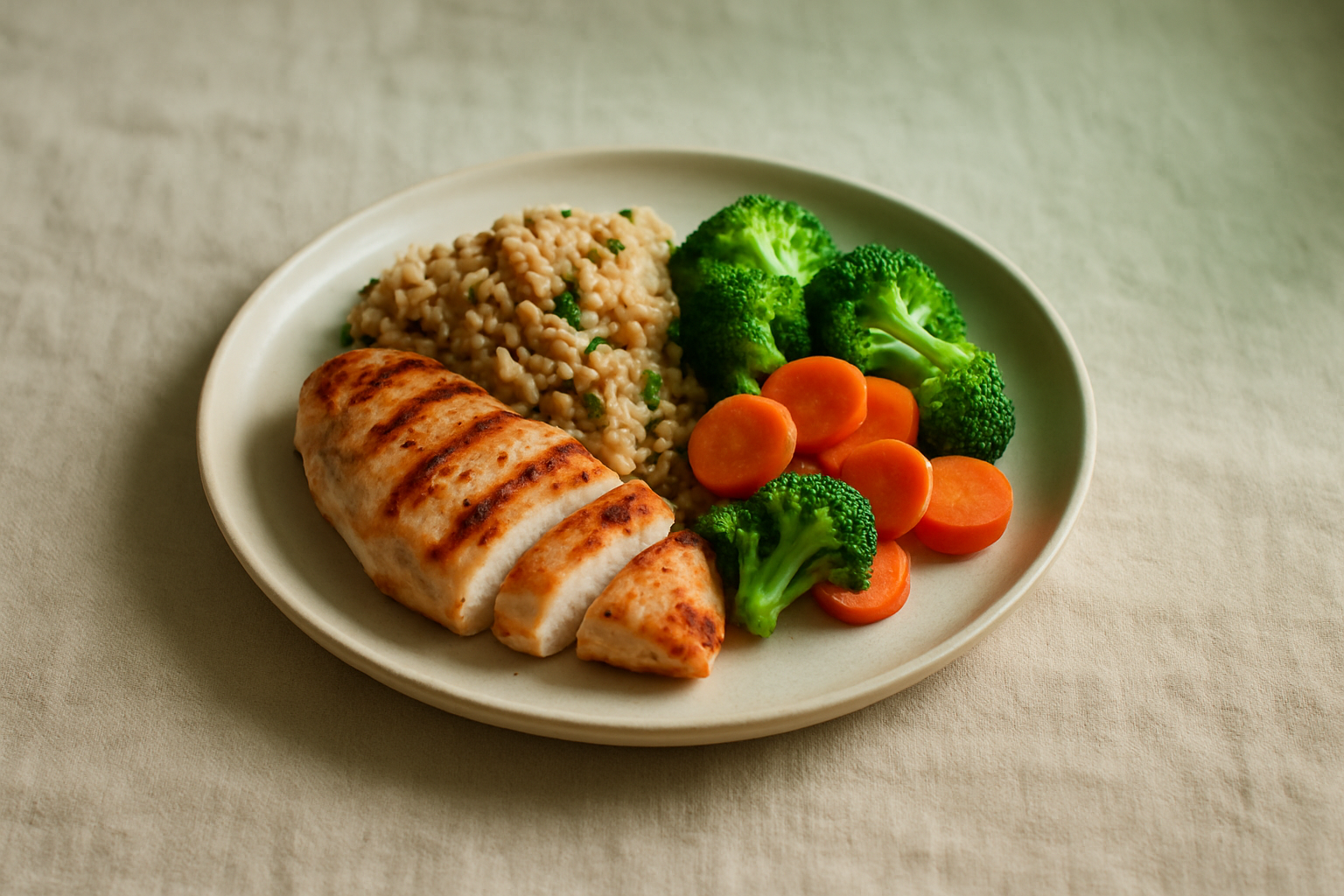
Quick answer: Calories determine whether you gain, lose, or maintain weight through overall energy balance, making them the primary factor for scale weight. However, macronutrients determine body composition, dictating whether you lose body fat or lean muscle tissue while influencing daily satiety, metabolic rate, and physical performance.
Quick facts
- Energy balance dictates changes in total body weight over time.
- Macronutrient ratios control whether you lose body fat or lean muscle.
- Protein provides 4 calories per gram and has the highest thermic effect.
- Carbohydrates and fats provide 4 and 9 calories per gram respectively.
Deciding whether to focus on total energy or the composition of your food is one of the most common dilemmas in nutritional planning. Both factors drive physiological adaptations, but they govern distinct biological outcomes.
Are Calories the Primary Driver of Weight Change?
Energy balance remains the foundational rule of body mass regulation. When you consume fewer calories than your body expends, you enter an energy deficit and body weight decreases. Conversely, consuming more calories than you burn leads to an energy surplus and overall mass gain. No macronutrient adjustment can override this basic law of thermodynamics; a person consuming a surplus of calories from purely nutritious sources will still gain weight over time.
How Do Macronutrients Influence Body Composition?
While total energy intake determines the movement of the scale, macronutrients dictate the quality of that weight change. Protein provides the building blocks for lean tissue, dietary fat supports cellular integrity and hormone production, and carbohydrates supply immediate fuel for cellular work and athletic output. When an individual cuts calories without consuming adequate protein, a significant proportion of the lost weight can come from skeletal muscle rather than adipose tissue, which may lower resting metabolic rate.
Why Does Protein Play a Special Role in Diet Success?
Research emphasizes that aiming beyond the bare minimum for protein intake can substantially support body composition and long-term health. A review highlighted by Source notes that higher protein intake can support fat loss by increasing satiety and elevating the thermic effect of food compared to lower protein baselines. Higher protein consumption also helps preserve critical lean mass during an energy deficit, allowing people to retain functional strength and metabolic resilience as they age.
Can You Change Your Body by Tracking Only Macros?
Because macronutrients contain calories—protein and carbohydrates supply roughly 4 calories per gram, while fats supply 9 calories per gram—tracking macros is essentially a granular method of counting calories. If you set specific gram targets for each macronutrient, you automatically establish an upper limit on your total caloric intake. This approach ensures that you control your overall energy balance while deliberately supplying the body with the raw materials needed for muscle recovery and hormonal balance.
What Does a Worked Example of Calories Versus Macros Look Like?
Consider two individuals, Alex and Taylor, who both have a daily maintenance requirement of 2,200 calories and adopt an 1,800-calorie daily target to lose body fat. Alex tracks only calories and consumes 1,800 calories consisting of 45 grams of protein (180 calories), 70 grams of fat (630 calories), and 247 grams of carbohydrate (990 calories). Over twelve weeks, Alex loses 8 pounds, but assessments show a measurable drop in muscle mass and frequent reports of hunger throughout the day.
In contrast, Taylor tracks macronutrients to hit 1,800 calories by aiming for 140 grams of protein (560 calories), 60 grams of fat (540 calories), and 175 grams of carbohydrate (700 calories). Over the same twelve weeks, Taylor also loses roughly 8 pounds, but testing indicates that the loss was almost entirely adipose tissue, while lean muscle was maintained. Furthermore, Taylor experienced fewer hunger spikes due to the higher protein and balanced fiber intake. Both achieved the same total weight change because their calorie deficits were identical, but their body compositions diverged significantly due to macronutrient selection.
Which Metric Should You Prioritize First?
Your primary target depends on your personal health goals and current habits. If your main objective is general weight management and you are new to nutritional tracking, establishing consistent control over total calories is the most sensible first step. Once you can reliably balance your overall energy intake, dialing in your macronutrient split—particularly establishing an adequate protein target—ensures you optimize metabolic health, maintain lean tissue, and manage appetite.
Key takeaways
- 01Calories dictate the direction and magnitude of overall scale weight change.
- 02Macronutrients determine the ratio of fat to lean muscle mass retained or lost.
- 03Higher protein intake increases satiety and thermic energy expenditure.
- 04Tracking macronutrient grams inherently controls total caloric intake.
Frequently asked
Can I lose weight if I hit my macros but eat too many calories?+
No, because macronutrients directly compose calories. If your total calorie count is too high to create an energy deficit, you will not lose weight regardless of your macronutrient breakdown.
Is it possible to build muscle while in a calorie deficit?+
Yes, research indicates that individuals can build or retain muscle in a deficit if they maintain adequate protein intake and perform consistent resistance training.
Do carbohydrates make you gain weight if calories are kept equal?+
No. When total calorie and protein intakes are matched, controlled studies show similar fat loss outcomes regardless of whether the remaining energy comes from carbohydrates or fats.
What happens if I only track calories and ignore protein?+
Ignoring protein often leads to greater loss of skeletal muscle tissue during weight loss, higher hunger levels, and a lower thermic effect of feeding.
How many calories are in one gram of each macronutrient?+
Protein contains approximately 4 calories per gram, carbohydrates contain roughly 4 calories per gram, and dietary fats contain about 9 calories per gram.
Sources
Every lesson is drafted from primary sources - official announcements, vendor blogs, and reputable industry reporting - then edited by our pipeline.
More on Macros & Energy
See all →Jan 1, 1970
Carb Cycling Explained: A Guide to Strategic Carbohydrate Intake
This lesson explains carb cycling, a dietary strategy that varies carbohydrate intake daily or weekly to support fitness and health goals, differentiating between high-carb and low-carb days.
Jan 1, 1970
How Many Carbs Should I Eat? A Guide to Daily Carbohydrate Intake
Learn how to determine your ideal daily carbohydrate intake based on your energy needs, activity level, and health goals, ranging from general recommendations to specific dietary approaches.
Jan 1, 1970
High-Protein Foods for Weight Loss: Your Essential Guide
Discover how incorporating high-protein foods can support weight loss by enhancing satiety, preserving muscle, and boosting metabolism.
Jan 1, 1970
How Many Grams of Protein Are in an Egg?
This lesson details the typical protein content of an egg, factors influencing it, and how to incorporate eggs into a protein-rich diet.
Free account
Want to go deeper?
Sign up free to unlock the full daily industry feed, save posts and articles to your library, and chat with the coach about anything you read.