
High-Protein Foods for Weight Loss: Your Essential Guide
Discover how incorporating high-protein foods can support weight loss by enhancing satiety, preserving muscle, and boosting metabolism.
Written by the Nutrition Tutor Academy teaching team from 1 primary source. How we source →
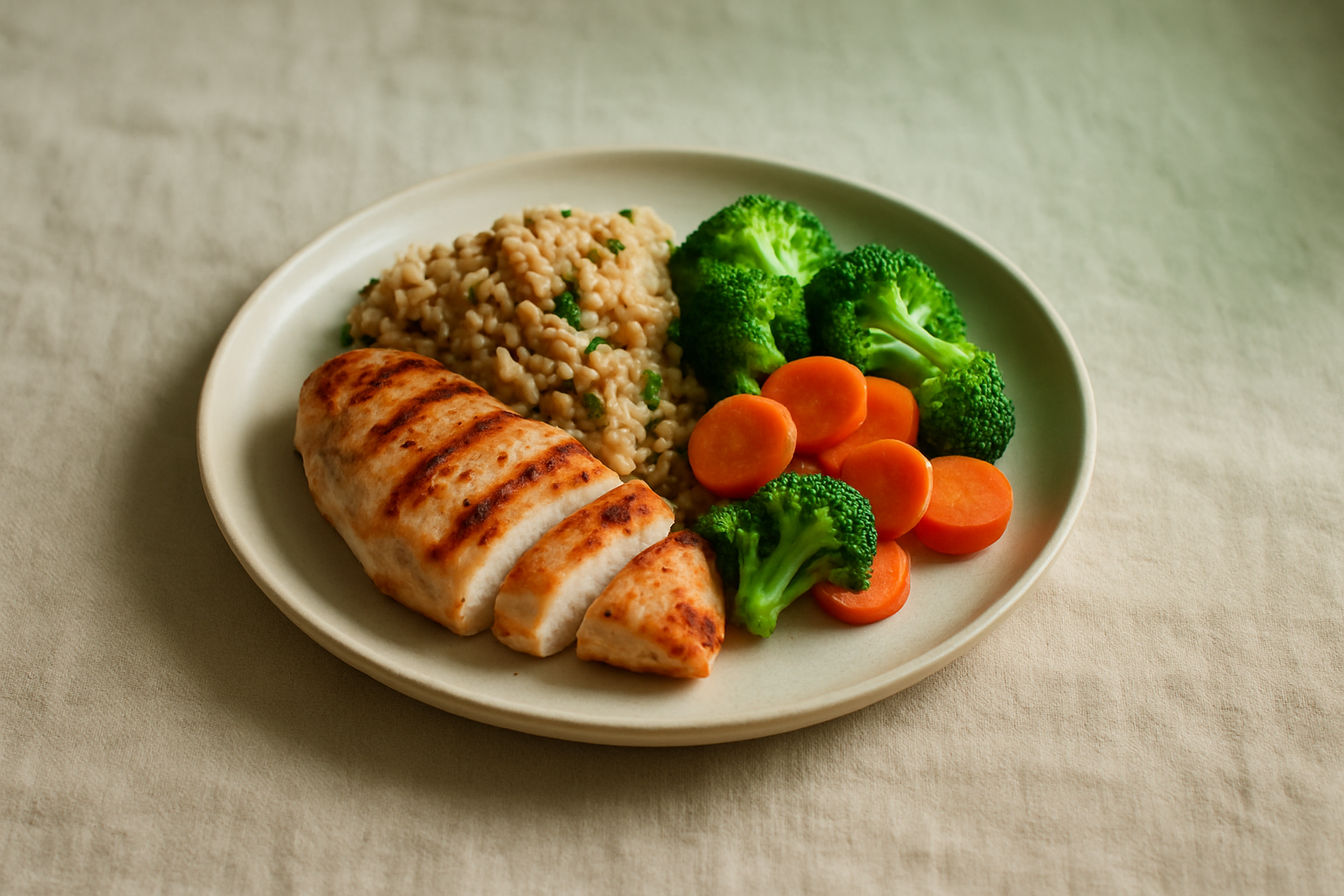
Quick answer: High-protein foods like lean meats, poultry, fish, eggs, dairy, legumes, and certain plant-based proteins are effective for weight loss. Protein helps increase satiety, reduce overall calorie intake, preserve muscle mass during calorie restriction, and slightly elevate metabolism through the thermic effect of food, making it a valuable macronutrient for managing body weight.
Quick facts
- Protein increases satiety, helping you feel fuller for longer.
- Higher protein intake may support the preservation of lean muscle mass during weight loss.
- The thermic effect of food (TEF) is highest for protein, burning more calories during digestion.
- Lean animal proteins include chicken breast, turkey, fish, and lean beef.
- Plant-based protein sources include lentils, beans, tofu, tempeh, and quinoa.
- Aim for protein at each meal to maximize its weight management benefits.
Embarking on a weight loss journey often involves making strategic dietary choices. Among the macronutrients, protein plays a particularly important role due to its unique physiological effects on the body.
This lesson will explore why high-protein foods are beneficial for weight loss and provide practical examples of foods to include in your diet.
Why is protein important for weight loss?
Protein contributes to weight loss through several mechanisms. It is known for its ability to increase satiety, meaning it helps you feel full and satisfied after meals. This can naturally lead to reduced overall calorie intake because you're less likely to snack or overeat. Additionally, protein has a higher thermic effect of food (TEF) compared to carbohydrates and fats, meaning your body expends more energy (calories) to digest, absorb, and metabolize protein.
How does protein help with satiety and hunger control?
Protein impacts several hormones that regulate appetite. For example, it can reduce levels of ghrelin, the 'hunger hormone,' and increase levels of peptide YY (PYY) and glucagon-like peptide-1 (GLP-1), which are 'fullness hormones.' This hormonal response helps to curb appetite and decrease cravings, making it easier to stick to a calorie-restricted diet. Feeling satisfied can prevent overeating and promote adherence to a healthy eating plan.
What role does protein play in muscle preservation during weight loss?
When you reduce calories to lose weight, there's a risk of losing not only fat but also valuable muscle mass. Muscle tissue is metabolically active, meaning it burns more calories at rest than fat tissue. Consuming adequate protein, especially combined with resistance exercise, helps to signal muscle protein synthesis, thus preserving lean muscle mass. This is crucial because maintaining muscle helps sustain a higher resting metabolic rate, supporting long-term weight management.
What are some excellent high-protein food sources?
Numerous foods can help you increase your protein intake. Lean animal proteins are well-known for their high protein content and complete amino acid profiles. Plant-based proteins also offer significant benefits, often coming with additional fiber and nutrients.
Here are some examples:
- Lean Meats & Poultry: Chicken breast, turkey breast, lean beef (e.g., sirloin, round), pork loin. A 3-ounce (85-gram) serving of cooked chicken breast provides about 25 grams of protein.
- Fish & Seafood: Salmon, tuna, cod, shrimp, tilapia. Salmon, for instance, offers healthy fats alongside its protein. A 3-ounce serving of salmon contains roughly 22 grams of protein.
- Eggs: A large egg contains about 6 grams of high-quality protein and is versatile for various meals.
- Dairy Products: Greek yogurt, cottage cheese, skim milk, whey protein powder. Greek yogurt, in particular, can offer 15-20 grams of protein per 5-6 ounce serving.
- Legumes: Lentils, black beans, chickpeas. One cup of cooked lentils provides about 18 grams of protein and 16 grams of fiber.
- Soy Products: Tofu, tempeh, edamame. A 3-ounce serving of firm tofu contains approximately 8 grams of protein.
- Nuts & Seeds: Almonds, chia seeds, flax seeds, pumpkin seeds. While higher in fat, they contribute protein and healthy fats. For example, 1 ounce of almonds provides about 6 grams of protein.
- Whole Grains: Quinoa, oats. Quinoa is a complete protein, offering about 8 grams per cooked cup.
How much protein is recommended for weight loss?
While individual needs vary, for weight loss, a common recommendation is to aim for 1.2 to 1.6 grams of protein per kilogram of body weight per day Source. This range can support satiety and muscle preservation. For example, a person weighing 70 kilograms (about 154 pounds) might aim for 84 to 112 grams of protein daily. It's often beneficial to distribute protein intake throughout the day, aiming for 20-30 grams per meal, to maximize its benefits.
Worked Example:
Let's say a person weighs 160 pounds (approximately 73 kg) and aims for 1.4 grams of protein per kilogram of body weight. Their daily protein target would be 73 kg * 1.4 g/kg = 102.2 grams of protein.
They could achieve this by consuming:
- Breakfast: 2 large eggs (12g protein) + 1/2 cup Greek yogurt (12g protein) = 24g
- Lunch: 4 oz grilled chicken breast (30g protein) + 1/2 cup black beans (8g protein) = 38g
- Dinner: 4 oz baked salmon (28g protein) + 1/2 cup lentils (9g protein) = 37g
- Snack: Small handful of almonds (6g protein)
Total: 24 + 38 + 37 + 6 = 105 grams of protein for the day.
Are there any downsides to high-protein diets?
For most healthy individuals, a high-protein diet within recommended ranges is safe and well-tolerated. However, extremely high protein intake (e.g., over 2.0 grams per kilogram of body weight for prolonged periods) could potentially strain the kidneys in individuals with pre-existing kidney conditions. It's always advisable to consult a healthcare provider or a registered dietitian before making significant dietary changes, especially if you have underlying health concerns. Furthermore, focusing solely on protein and neglecting other essential nutrients from fruits, vegetables, and whole grains could lead to nutrient deficiencies.
Key takeaways
- 01Protein boosts satiety, helping reduce overall calorie intake and control hunger.
- 02Adequate protein intake supports the preservation of muscle mass during weight loss, maintaining metabolic rate.
- 03Protein has a higher thermic effect of food (TEF), burning more calories during digestion.
- 04Excellent sources include lean meats, poultry, fish, eggs, dairy, legumes, tofu, and quinoa.
- 05Aim for 1.2 to 1.6 grams of protein per kilogram of body weight daily for effective weight loss support.
Frequently asked
How much protein should I eat per day for weight loss?+
For weight loss, a general guideline is to aim for 1.2 to 1.6 grams of protein per kilogram of your body weight per day. This amount can help with satiety and muscle preservation.
Can I lose weight by just eating protein?+
While protein is crucial for weight loss, a balanced diet is essential. Relying solely on protein might lead to nutrient deficiencies. It's important to include a variety of fruits, vegetables, and healthy fats alongside protein sources.
Is plant-based protein as effective as animal protein for weight loss?+
Yes, plant-based proteins can be highly effective for weight loss. Sources like lentils, beans, tofu, and tempeh are often rich in fiber, which further enhances satiety and supports digestive health. Combining different plant proteins can ensure you get all essential amino acids.
What are some easy ways to add more protein to my breakfast?+
To boost protein at breakfast, consider options like Greek yogurt, eggs (scrambled, boiled, or in an omelet), cottage cheese, or adding protein powder to smoothies or oatmeal. Lean turkey sausage or smoked salmon are also good choices.
Does eating too much protein have any side effects?+
For most healthy individuals, consuming protein within recommended ranges is safe. However, extremely high intakes over prolonged periods, particularly for those with pre-existing kidney conditions, may be a concern. Consult a healthcare professional if you have concerns.
Do protein shakes count as high-protein food for weight loss?+
Yes, protein shakes can be a convenient way to supplement your protein intake and contribute to your daily goals, especially if you struggle to get enough from whole foods. They should complement, not replace, a diet rich in whole food protein sources.
Sources
Every lesson is drafted from primary sources - official announcements, vendor blogs, and reputable industry reporting - then edited by our pipeline.
More on Macros & Energy
See all →Jan 1, 1970
Are Calories or Macros More Important? The Guide
Learn whether calories or macronutrients matter more for fat loss, muscle retention, and long-term metabolic health.
Jan 1, 1970
Carb Cycling Explained: A Guide to Strategic Carbohydrate Intake
This lesson explains carb cycling, a dietary strategy that varies carbohydrate intake daily or weekly to support fitness and health goals, differentiating between high-carb and low-carb days.
Jan 1, 1970
How Many Carbs Should I Eat? A Guide to Daily Carbohydrate Intake
Learn how to determine your ideal daily carbohydrate intake based on your energy needs, activity level, and health goals, ranging from general recommendations to specific dietary approaches.
Jan 1, 1970
How Many Grams of Protein Are in an Egg?
This lesson details the typical protein content of an egg, factors influencing it, and how to incorporate eggs into a protein-rich diet.
Free account
Want to go deeper?
Sign up free to unlock the full daily industry feed, save posts and articles to your library, and chat with the coach about anything you read.