
Healthiest Cooking Oils for Whole Food Diets
This lesson outlines how to choose and use cooking oils that support a whole food diet, focusing on unrefined options and appropriate uses for different oils.
Written by the Nutrition Tutor Academy teaching team from 1 primary source. How we source →
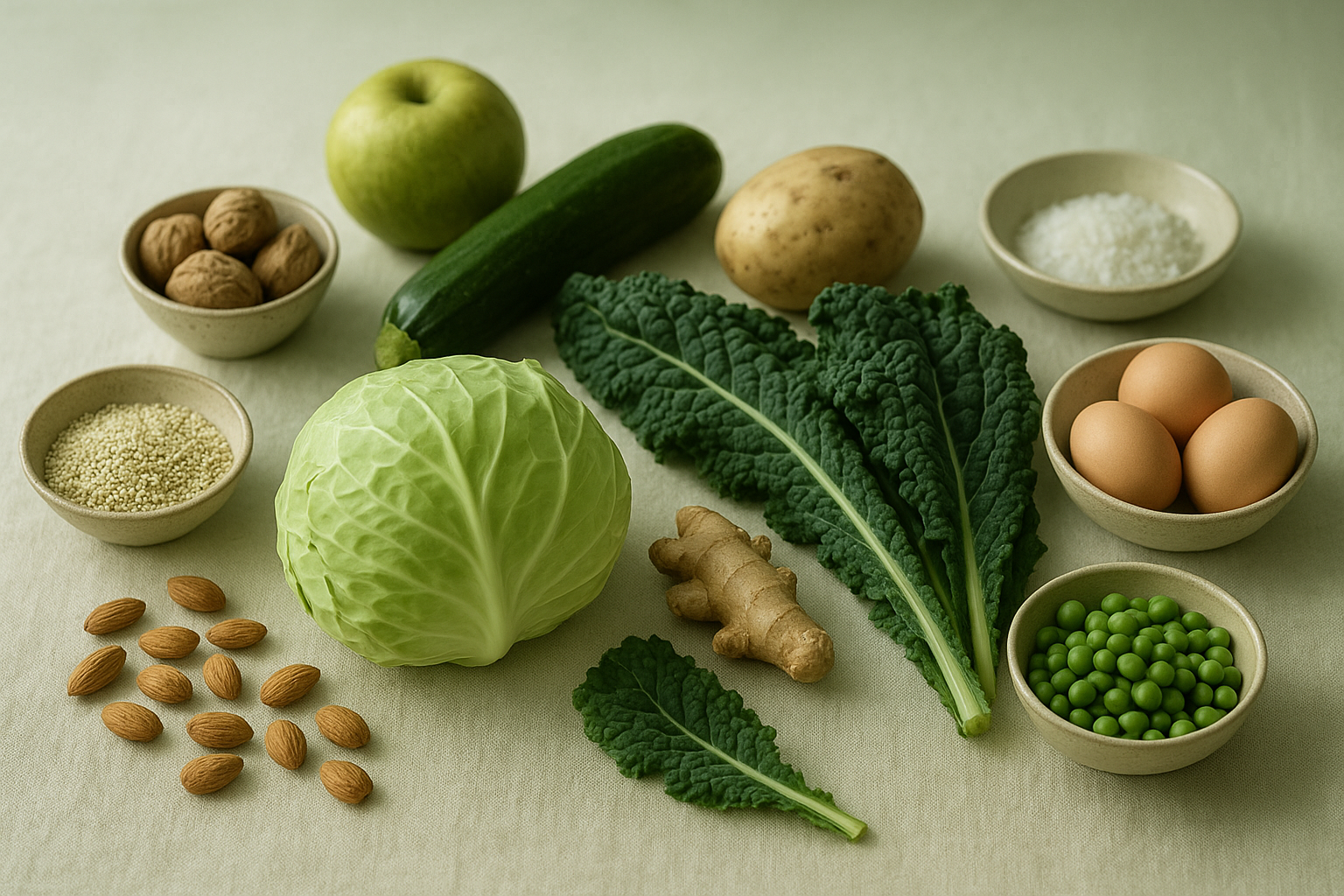
Quick answer: For whole food diets, the healthiest cooking oils are typically minimally processed, unrefined options like extra virgin olive oil, avocado oil, and coconut oil. These oils retain more nutrients and beneficial compounds compared to highly refined alternatives. The best choice often depends on the cooking method and desired flavor, with higher smoke point oils suitable for high-heat applications.
Quick facts
- Unrefined oils like extra virgin olive oil are excellent for low-to-medium heat cooking.
- Avocado oil has a high smoke point, making it suitable for high-heat methods.
- Coconut oil can be a good choice for medium-heat cooking, offering unique flavor.
- Highly processed oils, often found in ultra-processed foods, may have poorer nutrient profiles.
- Choosing oils that complement a whole food diet means prioritizing minimal processing.
Choosing the right cooking oil is a key component of a whole food diet, influencing both the flavor and nutritional value of your meals. This guide will help you understand which oils are best suited for different culinary uses within a whole food framework.
What defines a 'healthy' cooking oil in a whole food diet?
A healthy cooking oil in a whole food diet is typically one that is minimally processed, meaning it has undergone little to no chemical alteration or high-heat refinement during its extraction. These oils, often labeled 'cold-pressed' or 'extra virgin,' retain more of their natural antioxidants, vitamins, and beneficial fatty acids. In contrast, highly refined oils are stripped of many of these compounds and can contribute to a diet higher in processed ingredients, which research indicates may be associated with poorer nutrient profiles Source.
Which unrefined oils are best for everyday cooking?
For most everyday cooking needs in a whole food diet, unrefined oils like extra virgin olive oil and avocado oil are excellent choices. Extra virgin olive oil is rich in monounsaturated fats and antioxidants, making it suitable for sautéing, baking, and salad dressings where temperatures are not excessively high. Avocado oil, with its mild flavor and very high smoke point (around 520°F or 271°C), is versatile for almost all cooking methods, including high-heat searing and frying, while still being minimally processed.
How does smoke point influence oil selection?
The smoke point of an oil is the temperature at which it begins to break down and release smoke, potentially forming harmful compounds. Matching the oil's smoke point to your cooking method is crucial for both flavor and health. For low-to-medium heat cooking (e.g., sautéing vegetables, baking), oils with lower smoke points like extra virgin olive oil (around 375°F or 190°C) are fine. For high-heat applications (e.g., stir-frying, deep-frying), oils with high smoke points such as avocado oil are preferred to prevent degradation.
Are there other whole food friendly oils to consider?
Yes, other oils can fit into a whole food diet depending on your preferences and cooking needs. Coconut oil, particularly virgin coconut oil, is stable at medium heat (smoke point around 350°F or 177°C) and can be used for baking or sautéing, offering a distinctive flavor. Walnut oil and flaxseed oil are rich in omega-3 fatty acids but have very low smoke points, making them ideal for salad dressings or finishing dishes rather than cooking. Ghee (clarified butter) is another option, with a high smoke point and a rich, buttery flavor, suitable for medium-to-high heat cooking.
Worked Example: Choosing Oil for Different Dishes
Let's say you're preparing three dishes for a whole food meal:
-
A fresh salad with vinaigrette: Here, extra virgin olive oil or walnut oil would be ideal. Their robust flavors and delicate nutrient profiles are best preserved without heat.
-
Sautéed seasonal vegetables: For this medium-heat task, extra virgin olive oil or virgin coconut oil would work well. Both can withstand the heat while imparting pleasant flavors.
-
Pan-seared salmon: To achieve a crispy skin without burning the oil, a high smoke point oil like avocado oil is the best choice. It can tolerate the higher heat required for searing without breaking down.
By matching the oil to the cooking method and desired flavor, you ensure that your whole food dishes are both delicious and nutritionally sound.
What oils should be limited or avoided in a whole food diet?
In a whole food diet, it is generally recommended to limit or avoid highly refined vegetable oils. These often include soybean oil, corn oil, cottonseed oil, and safflower oil, which are typically extracted using chemical solvents and subjected to high temperatures, bleaching, and deodorizing. This intensive processing can diminish their nutritional value and create by-products. The reference research highlights that diets high in ultra-processed foods are associated with poorer nutrient profiles, including increased saturated fat, sugar, and sodium, and decreased intake of protein and key micronutrients Source. While cooking oils aren't ultra-processed foods themselves, some refined oils are common ingredients in them, and opting for unrefined oils aligns with the principles of minimizing processed ingredients in your diet.
How can I store cooking oils to maintain their quality?
Proper storage is essential to maintain the quality and extend the shelf life of your cooking oils. Light, heat, and air can cause oils to go rancid, leading to off-flavors and potentially harmful compounds. Store oils in cool, dark places, ideally in opaque containers, away from direct sunlight or heat sources like stovetops. For delicate oils like flaxseed or walnut oil, refrigeration can further extend their freshness. Always check the expiration date and use oils promptly once opened.
Key takeaways
- 01Prioritize minimally processed, unrefined oils like extra virgin olive oil and avocado oil for a whole food diet.
- 02Match the oil's smoke point to your cooking method; avocado oil is best for high heat, olive oil for lower heat.
- 03Understand that highly refined oils, often used in ultra-processed foods, may lack beneficial nutrients.
- 04Properly store oils in cool, dark places to prevent rancidity and preserve their quality.
- 05Consider specialty oils like virgin coconut oil or walnut oil for specific flavors or nutritional benefits.
Frequently asked
What is the difference between refined and unrefined oils?+
Unrefined oils are extracted with minimal processing, often cold-pressed, retaining more nutrients and natural flavors. Refined oils undergo chemical and heat treatments to remove impurities, extend shelf life, and create a neutral flavor, but often lose beneficial compounds.
Is coconut oil healthy for a whole food diet?+
Virgin coconut oil can be a healthy option in moderation for a whole food diet. It's stable for medium-heat cooking and offers unique flavor. While high in saturated fat, it's a naturally occurring fat and less processed than many industrial oils.
Can I use extra virgin olive oil for frying?+
While extra virgin olive oil can withstand moderate heat, its smoke point is generally lower than some other oils, around 375°F (190°C). For light sautéing it's fine, but for deep frying or high-heat searing, oils with higher smoke points like avocado oil are often better choices to avoid degradation.
What about butter or ghee?+
Butter and ghee (clarified butter) can be part of a whole food diet. Ghee has a high smoke point (around 485°F or 252°C) and is excellent for high-heat cooking, while butter is suitable for lower heat. Both offer distinct flavors and are less processed than many refined vegetable oils.
Are seed oils like sunflower or canola oil healthy?+
Highly refined versions of seed oils (like standard sunflower or canola oil) are typically not preferred in a strict whole food diet due to their extensive processing. However, unrefined, cold-pressed versions of some seed oils exist, but their use depends on specific dietary goals and cooking methods due to varying smoke points and fatty acid profiles.
How can I tell if an oil is unrefined?+
Look for labels such as 'extra virgin,' 'virgin,' 'cold-pressed,' or 'unrefined.' These terms indicate minimal processing. The oil may also have a stronger aroma, color, and flavor compared to its refined counterparts.
Sources
Every lesson is drafted from primary sources - official announcements, vendor blogs, and reputable industry reporting - then edited by our pipeline.
More on Whole Foods
See all →Jan 1, 1970
Whole Food Meal Prep for Beginners: Your Essential Guide
This lesson guides beginners through whole food meal preparation, offering practical steps to save time and promote a nutrient-rich eating pattern.
Jan 1, 1970
Are Potatoes a Healthy Whole Food? A Nutrition Guide
This lesson explores the nutritional profile of potatoes, clarifying if they qualify as a healthy whole food and how their preparation impacts their health benefits.
Jan 1, 1970
Are Canned Beans a Whole Food?
This lesson explains how canned beans fit into whole food definitions, distinguishing them from ultraprocessed foods often high in added sugars, saturated fat, or sodium.
Jan 1, 1970
What's the Difference Between Processed and Ultra-Processed Foods?
This lesson explains the distinctions between processed and ultra-processed foods, focusing on their processing level, ingredients, and potential nutritional impacts to help you make informed dietary choices.
Free account
Want to go deeper?
Sign up free to unlock the full daily industry feed, save posts and articles to your library, and chat with the coach about anything you read.