
Whole Food Meal Prep for Beginners: Your Essential Guide
This lesson guides beginners through whole food meal preparation, offering practical steps to save time and promote a nutrient-rich eating pattern.
Written by the Nutrition Tutor Academy teaching team from 1 primary source. How we source →
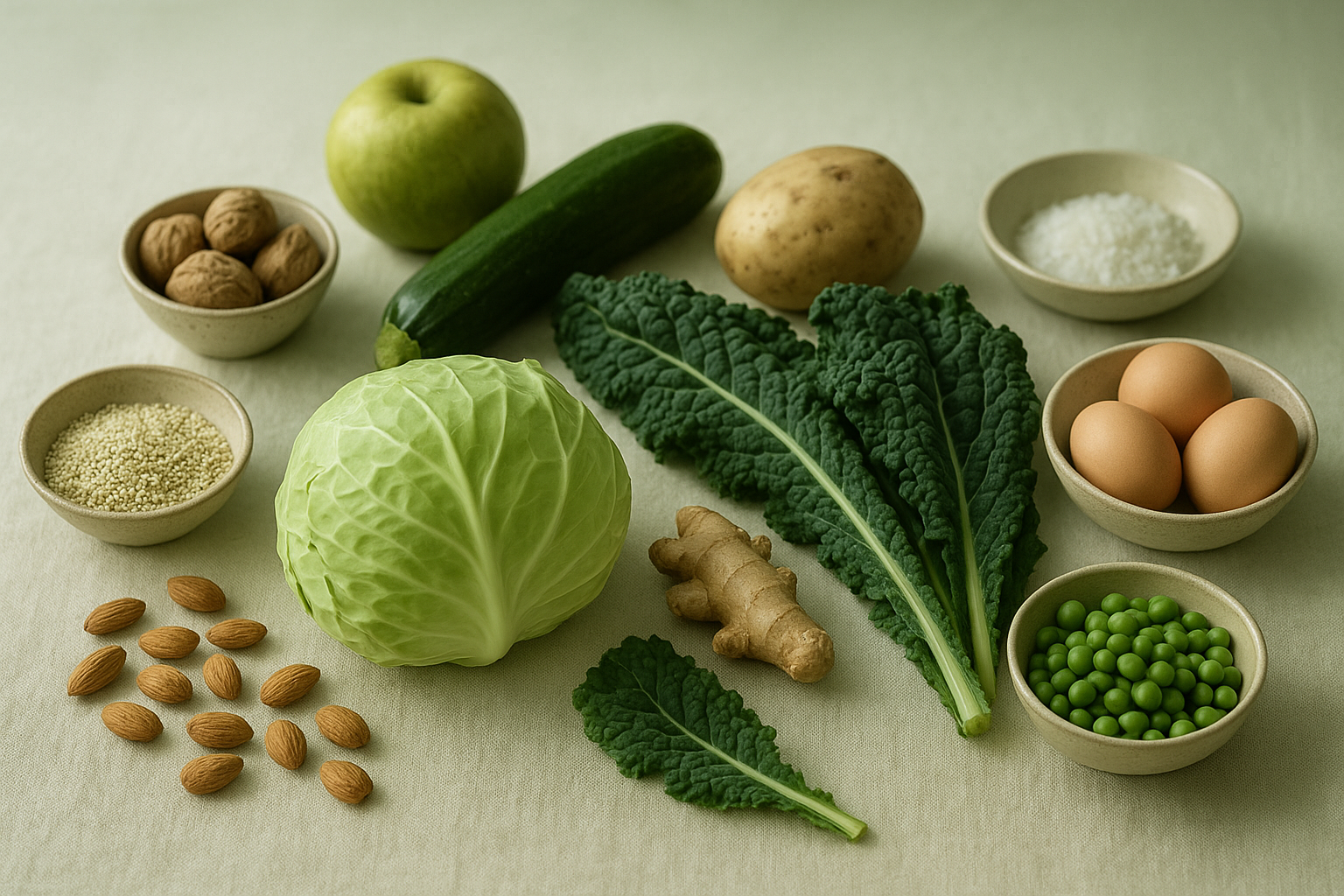
Quick answer: Whole food meal prep for beginners involves planning, shopping for, and preparing unprocessed or minimally processed ingredients in advance to create nutritious meals for the week. This approach can simplify healthy eating, reduce reliance on convenience foods, and support dietary goals by making wholesome options readily available.
Quick facts
- Prioritizes fresh produce, lean proteins, whole grains, and healthy fats.
- Can save time and money, reducing daily cooking stress.
- Helps avoid ultra-processed foods, which are often high in sugar and unhealthy fats.
- Focuses on preparing components rather than full meals for versatility.
- Requires basic kitchen tools and understanding of food safety.
- Supports consistent intake of essential nutrients.
Embarking on a whole food meal prep journey can seem daunting, but it's a practical strategy for integrating more nutritious, less processed foods into your diet. This guide breaks down the process into manageable steps, perfect for beginners looking to optimize their nutrition.
What are 'Whole Foods' and Why Prioritize Them?
Whole foods are generally defined as foods that are unprocessed or minimally processed, meaning they are close to their natural state. Examples include fresh fruits and vegetables, whole grains like oats and quinoa, legumes, nuts, seeds, eggs, lean meats, and fish. Prioritizing these foods supports a nutrient-dense diet, providing essential vitamins, minerals, fiber, and protein. Minimizing ultra-processed foods – often characterized by ingredients not typically found in a home kitchen – may be beneficial for overall health, though the science distinguishing 'processed' from 'ultra-processed' can be nuanced Source.
What are the Benefits of Whole Food Meal Prep?
Meal prepping whole foods offers several advantages. Firstly, it saves time during busy weekdays, as much of the cooking is done on a dedicated prep day. Secondly, it can reduce food waste by encouraging planned grocery shopping and utilizing ingredients efficiently. Thirdly, it supports healthier eating habits by ensuring wholesome options are readily available, making it easier to resist less nutritious choices. Finally, it can be cost-effective by reducing reliance on takeout and pre-made meals.
How Do I Plan My Whole Food Meals?
Effective planning is the cornerstone of successful meal prep. Start by choosing 2-3 breakfast, lunch, and dinner recipes that feature whole ingredients and are simple to prepare. Consider incorporating versatile components like roasted vegetables, cooked grains, or grilled chicken that can be mixed and matched across different meals. For example, roasted sweet potatoes could be a side for dinner one night, and added to a breakfast hash or a salad for lunch the next day. Write a detailed grocery list based on your chosen recipes to ensure you buy only what you need, minimizing waste and impulse purchases.
What Basic Tools Do I Need for Meal Prep?
You don't need a gourmet kitchen to start meal prepping. Essential tools include: a good set of sharp knives, cutting boards, large mixing bowls, baking sheets, and airtight food storage containers (glass or BPA-free plastic are ideal). A large pot for cooking grains and a sheet pan for roasting vegetables are also highly useful. These basic items will cover most whole food meal prep needs.
How Do I Safely Store Prepared Whole Foods?
Proper food storage is crucial for safety and freshness. Always allow cooked foods to cool completely before transferring them to airtight containers and refrigerating. Most prepped whole foods, like cooked grains, roasted vegetables, and cooked proteins, will last 3-4 days in the refrigerator. Labeling containers with the date prepared can help keep track of freshness. For longer storage, many prepped components, such as cooked chicken or chili, can be frozen for up to 2-3 months, provided they are stored in freezer-safe containers.
Worked Example: A Beginner's Whole Food Meal Prep Week
Let's plan a simple week of whole food meals:
Prep Day (Sunday):
- Cook 1 cup dry quinoa: Yields about 3 cups cooked, enough for several servings.
- Roast 2-3 large sweet potatoes: Dice and toss with olive oil, salt, and pepper, roast until tender.
- Bake 1 pound chicken breast: Season with herbs and spices, bake until cooked through, then shred or slice.
- Wash and chop a variety of vegetables: Think bell peppers, spinach, carrots, and cucumbers for salads or snacks.
- Hard-boil 6 eggs: A quick protein source for breakfasts or snacks.
Meal Ideas for the Week:
- Breakfast: Hard-boiled eggs with a side of fruit, or a quinoa bowl with berries and a drizzle of honey.
- Lunch: Salad with chopped raw veggies, shredded chicken, and a vinaigrette, or a sweet potato and quinoa bowl with black beans and avocado.
- Dinner: Shredded chicken with roasted sweet potatoes and steamed greens, or a quick stir-fry using pre-chopped veggies and quinoa.
This approach provides flexibility while ensuring you have nutritious, whole food options ready to assemble throughout the week.
Key takeaways
- 01Whole food meal prep focuses on minimally processed ingredients for optimal nutrition.
- 02Benefits include time-saving, cost reduction, reduced food waste, and consistent healthy eating.
- 03Start with simple recipes and versatile components, creating a detailed grocery list.
- 04Basic kitchen tools and airtight containers are sufficient for effective meal prepping.
- 05Always cool foods before storing; most prepped items last 3-4 days refrigerated, longer frozen.
Frequently asked
What are some easy whole foods to start meal prepping with?+
Great beginner-friendly whole foods for meal prep include cooked quinoa or brown rice, roasted vegetables (like broccoli, sweet potatoes), grilled chicken breast, hard-boiled eggs, and pre-chopped raw vegetables for salads.
How long do prepped whole foods typically last in the fridge?+
Most cooked whole foods, such as grains, lean meats, and roasted vegetables, can be safely stored in airtight containers in the refrigerator for 3 to 4 days. Some items, like fresh cut fruit, may last less.
Can I freeze whole food preps?+
Yes, many whole food preps freeze well. Cooked chicken, lean ground meat dishes, soups, stews, and some cooked grains can be frozen for 2-3 months in freezer-safe containers. Always cool completely before freezing.
Is 'ultra-processed' the same as 'processed'?+
No, 'processed' foods include items like canned vegetables or plain yogurt, which undergo minimal changes. 'Ultra-processed' foods often contain multiple additives and ingredients not typically found in home kitchens, though the distinction can sometimes be ambiguous in scientific literature [Source](https://www.vox.com/future-perfect/494045/ultra-processed-foods-science-rcts).
What's the best way to prevent meal prep boredom?+
Prevent boredom by varying your spices and herbs, trying new whole food recipes regularly, and preparing versatile components that can be combined in different ways throughout the week, such as a base of grains and proteins with different sauces or vegetable pairings.
Do I need special containers for meal prepping?+
While not strictly necessary, using high-quality airtight containers, preferably glass or BPA-free plastic, is highly recommended. They help keep food fresh longer, prevent leaks, and are often microwave and dishwasher safe for convenience.
Sources
Every lesson is drafted from primary sources - official announcements, vendor blogs, and reputable industry reporting - then edited by our pipeline.
More on Whole Foods
See all →Jan 1, 1970
Are Potatoes a Healthy Whole Food? A Nutrition Guide
This lesson explores the nutritional profile of potatoes, clarifying if they qualify as a healthy whole food and how their preparation impacts their health benefits.
Jan 1, 1970
Are Canned Beans a Whole Food?
This lesson explains how canned beans fit into whole food definitions, distinguishing them from ultraprocessed foods often high in added sugars, saturated fat, or sodium.
Jan 1, 1970
What's the Difference Between Processed and Ultra-Processed Foods?
This lesson explains the distinctions between processed and ultra-processed foods, focusing on their processing level, ingredients, and potential nutritional impacts to help you make informed dietary choices.
Jan 1, 1970
Is Bread a Processed Food? Understanding Levels of Processing
This lesson explores how bread is classified across different levels of food processing, from minimally processed to ultra-processed, depending on its ingredients and production methods.
Free account
Want to go deeper?
Sign up free to unlock the full daily industry feed, save posts and articles to your library, and chat with the coach about anything you read.