
Are Canned Beans a Whole Food?
This lesson explains how canned beans fit into whole food definitions, distinguishing them from ultraprocessed foods often high in added sugars, saturated fat, or sodium.
Written by the Nutrition Tutor Academy teaching team from 1 primary source. How we source →
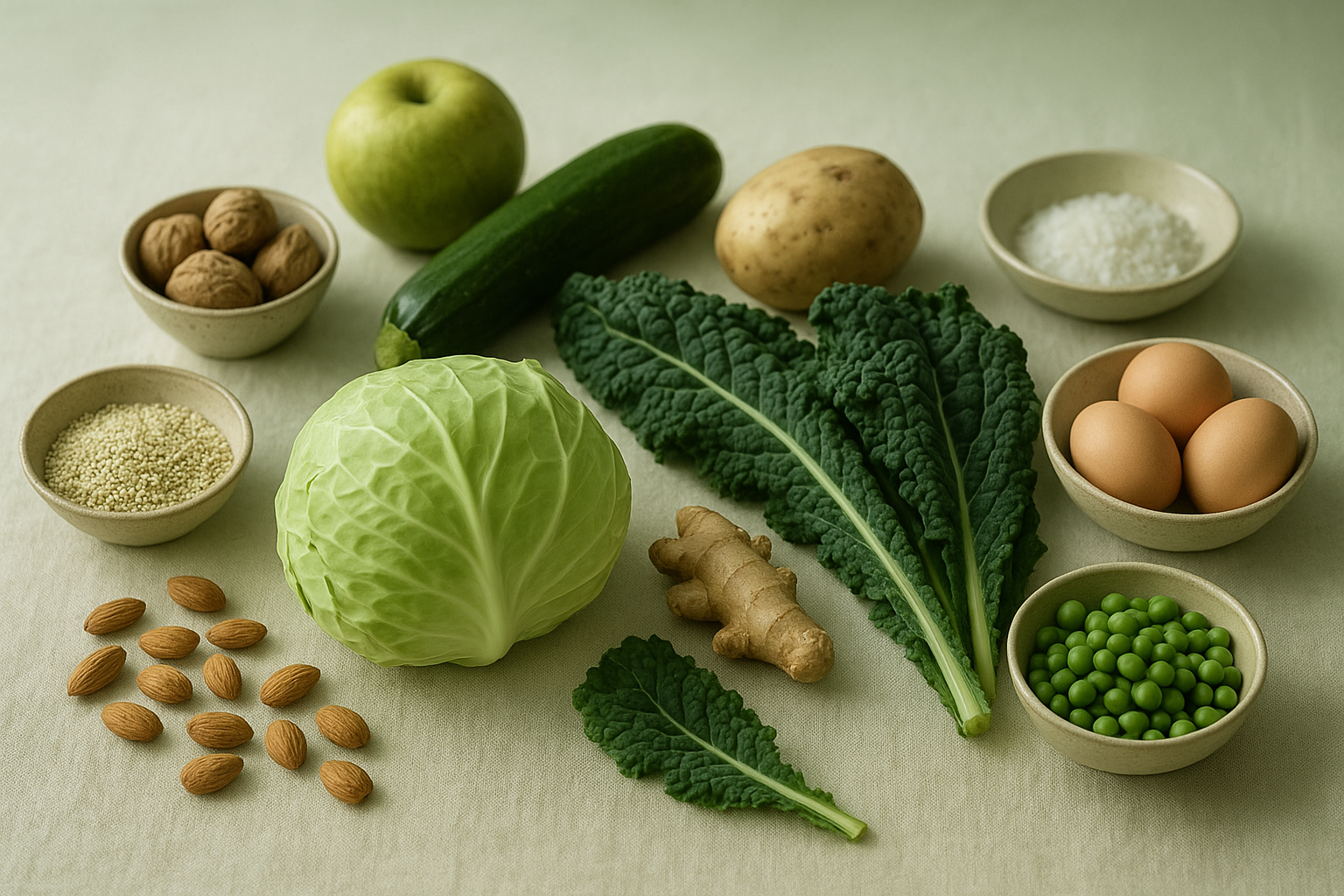
Quick answer: Canned beans are generally considered a whole food, or at least minimally processed. While canning involves processing, it primarily preserves the beans without significantly altering their fundamental nutritional structure. The key is to choose varieties with minimal added ingredients, such as those packed in water or with low sodium, to align with whole food principles.
Quick facts
- Whole foods are minimally processed and retain their natural nutritional integrity.
- Ultraprocessed foods often contain industrial ingredients and are high in added sugars, fat, or sodium.
- Canning is a preservation method, not necessarily a sign of ultra-processing.
- Most canned beans, especially plain varieties, are considered minimally processed.
- Check labels for added sodium, sugars, and preservatives to identify less desirable options.
- Rinsing canned beans can reduce sodium content by up to 40%.
The term "whole food" generally refers to foods that are consumed in their natural or minimally processed state. This means they have not been heavily refined, had numerous additives, or undergone significant industrial alteration. So, where do canned beans fit into this definition?
Many people wonder if canned goods can truly be considered whole foods due to the processing involved. The answer largely depends on the degree and type of processing, and the ingredients added during the process.
What defines a whole food?
A whole food is typically defined as a single-ingredient food that is close to its natural form. Examples include fresh fruits, vegetables, unprocessed meats, and whole grains. These foods retain most of their natural nutrients, fibers, and beneficial compounds. The goal of a whole food diet is to prioritize these items, minimizing intake of highly refined or industrially manufactured products.
How does processing affect a food's classification?
Processing ranges from minimal to extensive. Minimal processing might include cleaning, chopping, pasteurizing, or canning. These methods can make food safe, convenient, or extend its shelf life without significantly changing its nutritional profile. For example, plain canned beans are cooked and sealed, but their core nutritional components (protein, fiber, vitamins, minerals) remain largely intact.
Extensive processing, however, involves adding ingredients not typically used in home cooking, such as high amounts of added sugars, saturated fats, sodium, artificial colors, and preservatives. These are often found in what are termed "ultraprocessed foods" (UPFs). Ultraprocessed foods are defined as "industrial formulations of ingredients typically not used in home cooking and often high in added sugars, saturated fat, or sodium" Source. Examples include sugary cereals, packaged baked goods, and fast food.
Are canned beans considered ultraprocessed?
Generally, no. Most plain canned beans—such as black beans, pinto beans, or chickpeas—are not considered ultraprocessed foods. They consist primarily of beans, water, and sometimes salt. The canning process cooks and preserves them, making them shelf-stable and ready to use, which is a form of minimal processing.
However, it's important to differentiate between plain canned beans and certain bean products. For example, canned baked beans often contain significant amounts of added sugar, sauces, and other ingredients, which could push them towards a more processed or even ultraprocessed classification, depending on the specific formulation. Similarly, refried beans, depending on their ingredients, might also fall into a more processed category due to added fats, flavorings, and preservatives.
What should you look for on the label?
When choosing canned beans, checking the ingredient list and nutritional information is key to ensuring they align with whole food principles:
- Ingredients: Look for minimal ingredients: beans, water, and perhaps salt. Avoid varieties with added sugars (like corn syrup or dextrose), artificial colors, or excessive preservatives.
- Sodium content: Many canned beans contain added sodium for preservation and flavor. Choose "low sodium" or "no salt added" versions when possible. Rinsing canned beans thoroughly under running water can reduce their sodium content by approximately 40%.
- Added fats: Some canned bean products, like certain refried beans, may have added unhealthy fats. Plain canned beans typically do not contain added fats.
Worked Example:
Consider two types of canned beans:
-
Canned Black Beans (No Salt Added): Ingredients: Black beans, water. Nutritional profile: High in fiber and protein, low in sodium, no added sugars or fats.
- Classification: This is an excellent example of a whole food that has undergone minimal processing.
-
Canned Baked Beans (Sweetened with Brown Sugar and Molasses): Ingredients: Navy beans, water, brown sugar, tomato paste, molasses, salt, modified corn starch, spices, natural flavor. Nutritional profile: Contains added sugars and potentially higher sodium.
- Classification: While containing beans, the numerous added ingredients, especially sugars, move this product away from a "whole food" classification and closer to a processed or even ultraprocessed food, according to the criteria for ultraprocessed foods often being high in added sugars or sodium Source.
Do canned beans offer nutritional benefits?
Yes, canned beans offer significant nutritional benefits. They are an excellent source of plant-based protein, dietary fiber, and various micronutrients such as iron, folate, magnesium, and potassium. Their high fiber content can support digestive health and may help regulate blood sugar levels. Incorporating canned beans into your diet can be a convenient and cost-effective way to boost nutrient intake, especially for those looking to increase plant-based foods.
In summary, plain canned beans are a convenient, nutritious, and generally minimally processed food that can be a valuable part of a balanced, whole food-focused diet. Always check the label to ensure you're choosing varieties with minimal added ingredients.
Key takeaways
- 01Plain canned beans are considered minimally processed whole foods, offering convenience and nutrition.
- 02Ultraprocessed foods are distinct, featuring industrial ingredients and often high levels of added sugars, fats, or sodium.
- 03Reading food labels for ingredients like added sugars and high sodium is crucial for choosing healthier canned bean options.
- 04Rinsing canned beans effectively reduces sodium content, enhancing their healthfulness.
- 05Canned beans provide plant-based protein, fiber, and essential micronutrients, supporting overall diet quality.
Frequently asked
What is the difference between processed and ultraprocessed foods?+
Processed foods undergo alterations like canning or freezing to preserve or prepare them, often retaining much of their original nutritional value. Ultraprocessed foods, however, are industrial formulations typically made with ingredients not found in home kitchens, high in added sugars, unhealthy fats, or sodium, and designed for hyper-palatability and convenience.
Are all canned foods ultraprocessed?+
No, not all canned foods are ultraprocessed. Plain canned vegetables, fruits (in water or their own juice), and beans are generally minimally processed. The ultraprocessed designation is typically reserved for foods with extensive industrial ingredients and high amounts of additives, not simply those that have been canned.
How can I reduce the sodium in canned beans?+
To reduce sodium in canned beans, drain them from their canning liquid and rinse them thoroughly under cold running water for a minute or two. This process can help remove a significant portion of the added sodium, often by up to 40%.
Are dried beans a better option than canned beans?+
Dried beans are a whole food with no added ingredients and are often more economical. However, they require longer preparation (soaking and cooking). Canned beans offer similar nutritional benefits with added convenience, especially if you choose low-sodium or no-salt-added varieties and rinse them.
Can I eat canned beans every day?+
Yes, incorporating canned beans into your daily diet can be a nutritious choice, provided you select plain, low-sodium varieties and rinse them. They are a good source of fiber and protein, contributing to a balanced diet.
Do canned beans lose nutrients during processing?+
Some water-soluble vitamins, like certain B vitamins, may be slightly reduced during the canning process due to heat. However, the overall nutritional profile, especially for fiber, protein, and minerals, remains largely intact, making canned beans a very nutritious option.
Sources
Every lesson is drafted from primary sources - official announcements, vendor blogs, and reputable industry reporting - then edited by our pipeline.
More on Whole Foods
See all →Jan 1, 1970
Whole Food Meal Prep for Beginners: Your Essential Guide
This lesson guides beginners through whole food meal preparation, offering practical steps to save time and promote a nutrient-rich eating pattern.
Jan 1, 1970
Are Potatoes a Healthy Whole Food? A Nutrition Guide
This lesson explores the nutritional profile of potatoes, clarifying if they qualify as a healthy whole food and how their preparation impacts their health benefits.
Jan 1, 1970
What's the Difference Between Processed and Ultra-Processed Foods?
This lesson explains the distinctions between processed and ultra-processed foods, focusing on their processing level, ingredients, and potential nutritional impacts to help you make informed dietary choices.
Jan 1, 1970
Is Bread a Processed Food? Understanding Levels of Processing
This lesson explores how bread is classified across different levels of food processing, from minimally processed to ultra-processed, depending on its ingredients and production methods.
Free account
Want to go deeper?
Sign up free to unlock the full daily industry feed, save posts and articles to your library, and chat with the coach about anything you read.