
What's the Difference Between Processed and Ultra-Processed Foods?
This lesson explains the distinctions between processed and ultra-processed foods, focusing on their processing level, ingredients, and potential nutritional impacts to help you make informed dietary choices.
Written by the Nutrition Tutor Academy teaching team from 1 primary source. How we source →
Quick answer: Processed foods generally involve basic alterations like cooking, canning, or freezing to improve safety, digestibility, or shelf life, often using recognizable whole food ingredients. Ultra-processed foods, however, are extensively modified formulations made primarily from industrial ingredients and chemical additives, often lacking whole food components and designed for convenience and palatability, which may impact nutritional quality.
Quick facts
- Processed foods undergo minimal changes, preserving much of their original nutritional value.
- Ultra-processed foods are industrial formulations with many added ingredients, often not found in home kitchens.
- The Nova classification system categorizes foods into four groups based on processing levels.
- Ultra-processed foods are associated with lower diet quality and potential health trade-offs.
- Convenience, cost, and shelf stability are key drivers behind the consumption of ultra-processed foods.
- Choosing minimally processed options may support better overall nutritional adequacy.
Many foods we consume have undergone some form of processing. However, there's a significant difference between a simply processed food and an ultra-processed one. This distinction is crucial for understanding how food choices may impact your overall nutrition and health.
What is Food Processing?
Food processing refers to any method used to turn fresh foods into food products. This can include a wide range of actions, from simple cleaning and cutting to more complex industrial manufacturing. The primary goals of processing are typically to improve safety, extend shelf life, enhance palatability, or make food more convenient to prepare and consume. Examples of processed foods include canned vegetables, pasteurized milk, or roasted nuts.
How are Processed Foods Different from Ultra-Processed Foods?
The key difference lies in the extent and purpose of the processing, as well as the types of ingredients used. The Nova classification system is widely used to categorize foods based on their degree of processing into four groups:
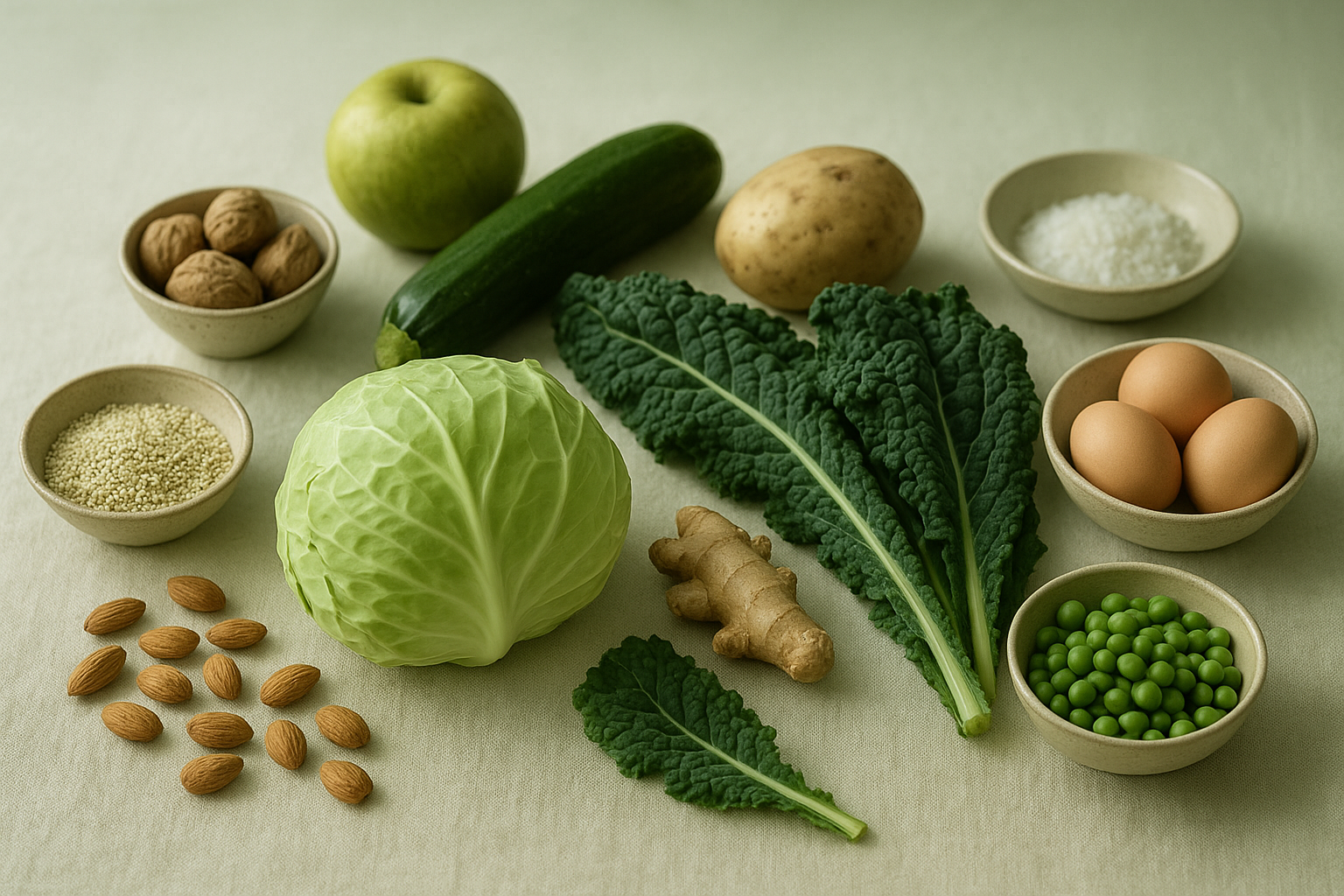
- Group 1: Unprocessed or minimally processed foods. These are natural foods, such as fruits, vegetables, eggs, meat, and milk, that have been altered minimally (e.g., washed, trimmed, chilled, roasted, or ground) without adding fats, sugars, or salt.
- Group 2: Processed culinary ingredients. These are substances like oils, butter, sugar, and salt, derived from Group 1 foods, used to prepare and season meals.
- Group 3: Processed foods. These foods are made by adding salt, sugar, oils, or other Group 2 ingredients to Group 1 foods. Examples include canned vegetables, simple breads, cheeses, and smoked meats. These processes aim to extend shelf life or enhance taste, but the original food remains largely recognizable.
- Group 4: Ultra-processed foods (UPFs). These are industrial formulations made primarily from substances extracted from foods (like refined sugars, starches, and oils) and/or containing industrially manufactured chemical additives such as flavors, colors, emulsifiers, and artificial sweeteners. They often have little to no intact whole foods. These products are typically designed to be highly palatable, convenient, and have a long shelf life. They are often ready-to-eat or ready-to-heat.
What are Common Examples of Each Type of Food?
To illustrate the difference, consider these examples:
- Minimally Processed: An apple, fresh spinach, raw chicken breast.
- Processed Culinary Ingredient: Olive oil extracted from olives, table salt, white sugar.
- Processed Food: Canned green beans (green beans + water + salt), whole-wheat bread (flour + water + yeast + salt), plain yogurt (milk + cultures).
- Ultra-Processed Food: Breakfast cereals, instant noodles, soda, packaged cookies, mass-produced packaged bread (with multiple additives), frozen dinners with many synthetic ingredients.
Worked Example: Consider a simple meal like a grilled chicken sandwich. A minimally processed approach would involve grilling a chicken breast (Group 1), adding it to a whole-wheat bun (a processed food from Group 3), and adding fresh lettuce and tomato (Group 1). If you instead opted for a pre-formed, breaded chicken patty with numerous stabilizers and flavor enhancers, served on a soft white bun with high-fructose corn syrup and preservatives, this would contain significantly more ultra-processed components.
Why Might Ultra-Processed Foods Be a Concern?
Research suggests that diets high in ultra-processed foods may be associated with various health outcomes. These foods often displace more nutritious, less processed options, leading to a diet that may be lower in fiber, vitamins, and minerals, and higher in added sugars, unhealthy fats, and sodium. One study highlights that while a high-ultra-processed food menu can theoretically achieve a high Healthy Eating Index, it often comes with trade-offs in nutritional adequacy compared to minimally processed menus, especially when convenience is prioritized Source. In fact, ultra-processed foods make up a significant portion of food purchases and energy intake in some countries.
Can Processed Foods Be Part of a Healthy Diet?
Yes, many processed foods can be part of a balanced and healthy dietary pattern. Foods like plain yogurt, canned beans, whole-grain pasta, and frozen fruits and vegetables offer convenience and can contribute valuable nutrients. The key is to look at the ingredient list. If the list is short and contains recognizable ingredients you might use in your own kitchen, it's likely a less processed option. Focus on incorporating a variety of minimally processed whole foods as the foundation of your diet, and use processed culinary ingredients and processed foods thoughtfully.
Key takeaways
- 01Processed foods undergo basic alterations for safety or convenience, while ultra-processed foods are extensive industrial formulations.
- 02Ultra-processed foods often contain numerous additives, refined ingredients, and lack whole food components.
- 03The Nova classification system helps distinguish foods based on their degree of processing.
- 04A diet high in ultra-processed foods may be associated with lower overall diet quality.
- 05Prioritize minimally processed whole foods, and use processed options strategically for convenience.
Frequently asked
What is the Nova classification system?+
The Nova classification system categorizes foods into four groups based on their level of processing: unprocessed/minimally processed, processed culinary ingredients, processed foods, and ultra-processed foods.
Are all processed foods bad for you?+
No, not all processed foods are 'bad.' Many processed foods like canned vegetables, plain yogurt, or whole-grain bread can be nutritious and offer convenience, helping people meet their dietary needs. The degree and type of processing are important distinctions.
How can I identify ultra-processed foods?+
Look for a long ingredient list often containing ingredients you wouldn't typically use in home cooking, such as high-fructose corn syrup, hydrogenated oils, artificial flavors, colors, or emulsifiers. If it's ready-to-eat or heat with a long shelf life and extensive processing, it's likely ultra-processed.
What are the health concerns associated with ultra-processed foods?+
Diets high in ultra-processed foods are associated with lower diet quality, often being high in added sugars, unhealthy fats, and sodium, while being low in fiber and essential nutrients. This dietary pattern may support potential negative health outcomes.
Can I still enjoy some ultra-processed foods?+
While a diet centered on whole, minimally processed foods is generally recommended, occasional consumption of ultra-processed foods can fit within a balanced lifestyle. The emphasis is on overall dietary patterns rather than strict avoidance of any single food item.
Are frozen fruits and vegetables considered processed or ultra-processed?+
Frozen fruits and vegetables are generally considered minimally processed or processed foods. If they contain only the fruit/vegetable and perhaps water, they fall into the minimally processed category. If they have added sauces, salts, or sugars, they become processed foods, but typically not ultra-processed unless they contain many industrial additives.
Sources
Every lesson is drafted from primary sources - official announcements, vendor blogs, and reputable industry reporting - then edited by our pipeline.
More on Whole Foods
See all →Jan 1, 1970
Whole Food Meal Prep for Beginners: Your Essential Guide
This lesson guides beginners through whole food meal preparation, offering practical steps to save time and promote a nutrient-rich eating pattern.
Jan 1, 1970
Are Potatoes a Healthy Whole Food? A Nutrition Guide
This lesson explores the nutritional profile of potatoes, clarifying if they qualify as a healthy whole food and how their preparation impacts their health benefits.
Jan 1, 1970
Are Canned Beans a Whole Food?
This lesson explains how canned beans fit into whole food definitions, distinguishing them from ultraprocessed foods often high in added sugars, saturated fat, or sodium.
Jan 1, 1970
Is Bread a Processed Food? Understanding Levels of Processing
This lesson explores how bread is classified across different levels of food processing, from minimally processed to ultra-processed, depending on its ingredients and production methods.
Free account
Want to go deeper?
Sign up free to unlock the full daily industry feed, save posts and articles to your library, and chat with the coach about anything you read.