
Are Potatoes a Healthy Whole Food? A Nutrition Guide
This lesson explores the nutritional profile of potatoes, clarifying if they qualify as a healthy whole food and how their preparation impacts their health benefits.
Written by the Nutrition Tutor Academy teaching team from 1 primary source. How we source →
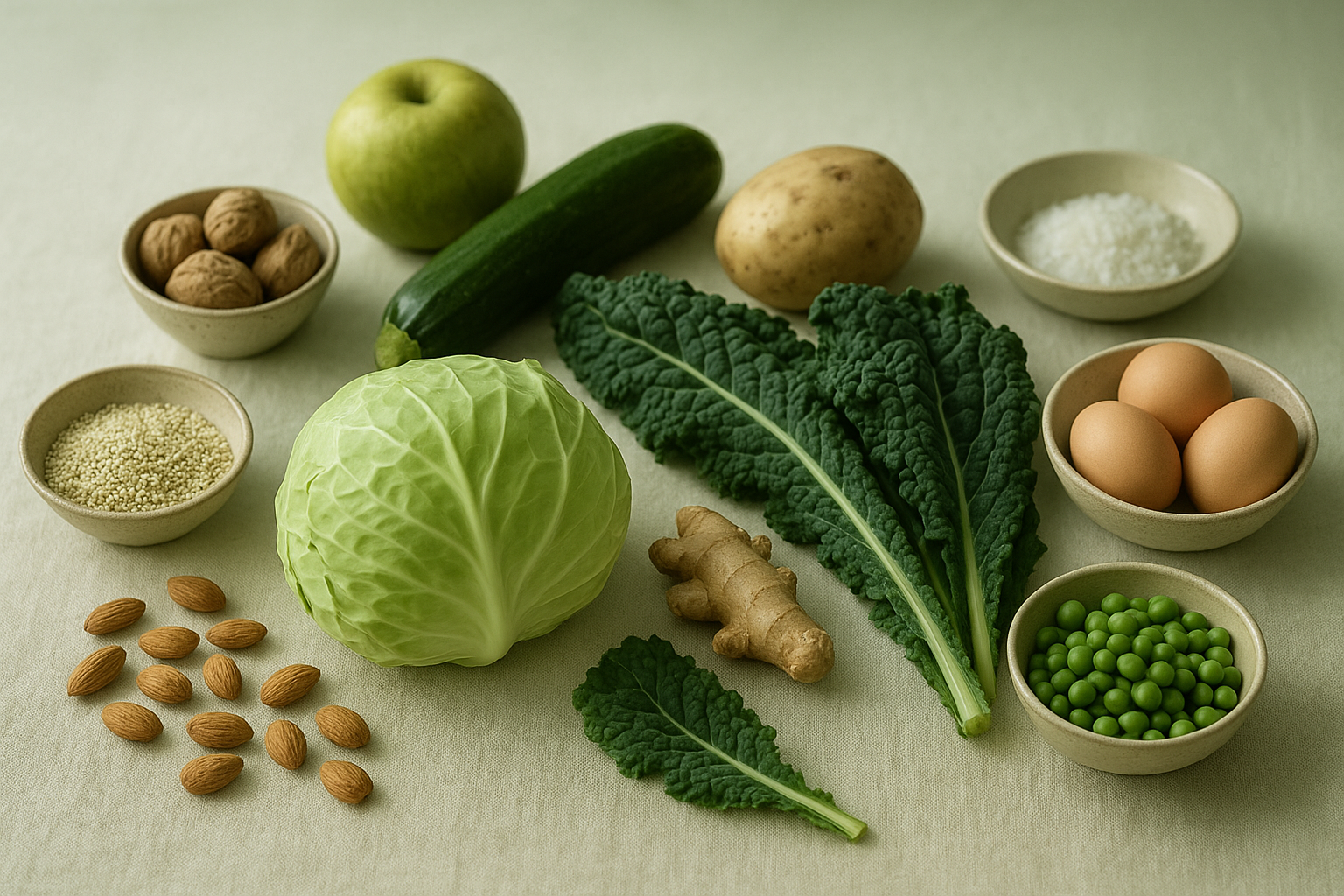
Quick answer: Yes, potatoes, in their unprocessed form, are generally considered a healthy whole food. They are naturally rich in essential nutrients like potassium and vitamin C, and provide complex carbohydrates. Their healthfulness is significantly influenced by preparation methods, with baked or boiled potatoes being more beneficial than fried versions, and consuming the skin adding fiber.
Quick facts
- Unprocessed potatoes are a whole food, providing complex carbohydrates.
- Rich in potassium, vitamin C, and some B vitamins.
- Fiber content is higher when the skin is consumed.
- Preparation methods (e.g., baking, boiling vs. frying) significantly impact nutritional value.
- They can contribute to satiety, potentially supporting weight management efforts.
- Different potato varieties offer slightly varying nutrient profiles.
Potatoes are a staple food for many cultures worldwide, often sparking debate about their role in a healthy diet. To assess if they are a healthy whole food, we must consider their natural composition and how processing affects them.
What defines a 'whole food'?
Whole foods are generally considered to be foods that are unprocessed and unrefined, or processed and refined as little as possible, before being consumed. They retain their natural nutrients, fiber, and beneficial compounds. Examples include fresh fruits, vegetables, whole grains, nuts, and seeds. The concept emphasizes consuming foods in their most natural state.
Are potatoes considered a whole food?
Yes, in their natural, unprocessed state, potatoes are indeed a whole food. They grow from the earth and are consumed with minimal alteration when baked, boiled, or roasted. A whole potato, with its skin, fits the definition of a whole, unprocessed vegetable. However, processed potato products, like french fries or potato chips, undergo significant changes that alter their nutritional profile, moving them away from being considered a 'whole food' due to added fats, salts, and often reduced nutrient density.
What nutrients do potatoes provide?
Potatoes are a valuable source of several essential nutrients. A medium-sized potato (about 173 grams) with the skin provides approximately 161 calories, 4.3 grams of protein, 36.6 grams of carbohydrates, and 3.8 grams of fiber. They are particularly rich in potassium (952 mg, about 20% of the Daily Value), which is important for blood pressure regulation, and vitamin C (28.7 mg, about 30% of the Daily Value), an antioxidant important for immune function. Potatoes also offer B vitamins like B6 and folate, and small amounts of iron and magnesium. Source indirectly supports the idea that the degree of processing matters for food types, which applies to potatoes.
How does preparation affect potato health benefits?
The way a potato is prepared significantly impacts its nutritional value and health effects. A baked or boiled potato retains most of its nutrients and is generally low in fat and sodium. For instance, a plain baked potato with its skin provides significant fiber and nutrients. In contrast, deep-frying potatoes, as in french fries, adds a substantial amount of unhealthy fats and calories, often increasing sodium content as well. This processing can diminish the inherent health benefits of the potato itself, transforming it into a less beneficial food item. Similarly, highly processed potato products like chips are often high in unhealthy fats, sodium, and sometimes artificial ingredients.
Can potatoes fit into a healthy eating pattern?
Potatoes can absolutely be part of a healthy eating pattern, especially when prepared healthily. They are satiating, meaning they can help you feel full, which may support weight management efforts. For example, opting for a baked potato topped with plain Greek yogurt and chives instead of sour cream, or making a potato salad with a vinaigrette dressing instead of a mayonnaise-based one, are ways to include them beneficially. Consuming the skin also boosts fiber intake, which supports digestive health.
Worked Example:
Consider two potato preparations:
- Baked Potato (medium, with skin): Approximately 161 calories, 0.2g fat, 3.8g fiber, 952mg potassium. This is a nutrient-dense option, providing complex carbohydrates and essential micronutrients with minimal added fat or sodium.
- French Fries (medium serving, 117g): Approximately 365 calories, 17g fat, 3.8g fiber, 552mg potassium. While the fiber might be similar to a baked potato if made from whole potatoes, the significantly higher fat and calorie content from frying alters its overall health impact. The reference highlights that the degree of processing matters for food types, and this example clearly demonstrates that.
Key takeaways
- 01Potatoes are healthy whole foods when consumed in their natural, unprocessed forms like baked or boiled.
- 02They are a good source of potassium, vitamin C, and dietary fiber (especially with the skin).
- 03Preparation methods are crucial; avoid deep-frying or excessive additions of unhealthy fats and sodium.
- 04Potatoes can contribute to satiety and a balanced diet when integrated thoughtfully.
- 05The definition of a whole food emphasizes minimal processing, ensuring nutrient retention.
Frequently asked
Is sweet potato healthier than white potato?+
Both sweet potatoes and white potatoes are nutritious. Sweet potatoes offer more beta-carotene (precursor to Vitamin A), while white potatoes are generally higher in potassium and Vitamin C. Both can be part of a healthy diet.
Do potatoes cause weight gain?+
Potatoes themselves do not inherently cause weight gain. Their caloric density is moderate, and they are satiating. Weight gain is more often linked to high-calorie preparation methods (e.g., frying, butter, cheese) and overall dietary patterns.
Should I eat potato skin?+
Yes, eating potato skin is beneficial as it contains a significant amount of the potato's fiber, vitamins, and minerals. Always wash potatoes thoroughly before cooking them with the skin on.
Are potatoes good for blood sugar?+
Potatoes contain carbohydrates that impact blood sugar. The glycemic index of potatoes can vary by type and preparation (e.g., cooled potatoes may have a lower GI). Combining them with fiber and protein can help moderate blood sugar response. Consult a healthcare professional for personalized dietary advice.
What is the best way to cook potatoes for health?+
The healthiest ways to cook potatoes include baking, boiling, steaming, or roasting with a minimal amount of healthy fats. These methods retain nutrients and avoid adding excessive calories or unhealthy fats.
Are potato chips considered a whole food?+
No, potato chips are not considered a whole food. They are a highly processed food product, typically deep-fried and heavily salted, which significantly alters their nutritional composition from a whole potato.
Sources
Every lesson is drafted from primary sources - official announcements, vendor blogs, and reputable industry reporting - then edited by our pipeline.
More on Whole Foods
See all →Jan 1, 1970
Whole Food Meal Prep for Beginners: Your Essential Guide
This lesson guides beginners through whole food meal preparation, offering practical steps to save time and promote a nutrient-rich eating pattern.
Jan 1, 1970
Are Canned Beans a Whole Food?
This lesson explains how canned beans fit into whole food definitions, distinguishing them from ultraprocessed foods often high in added sugars, saturated fat, or sodium.
Jan 1, 1970
What's the Difference Between Processed and Ultra-Processed Foods?
This lesson explains the distinctions between processed and ultra-processed foods, focusing on their processing level, ingredients, and potential nutritional impacts to help you make informed dietary choices.
Jan 1, 1970
Is Bread a Processed Food? Understanding Levels of Processing
This lesson explores how bread is classified across different levels of food processing, from minimally processed to ultra-processed, depending on its ingredients and production methods.
Free account
Want to go deeper?
Sign up free to unlock the full daily industry feed, save posts and articles to your library, and chat with the coach about anything you read.