
Best Sources of Healthy Fats for a Heart-Healthy Diet
This lesson details the best sources of healthy fats, focusing on plant-based options like olive oil, seed oils, nuts, and avocados, which may support heart health and maintain healthy cholesterol levels.
Written by the Nutrition Tutor Academy teaching team from 1 primary source. How we source →
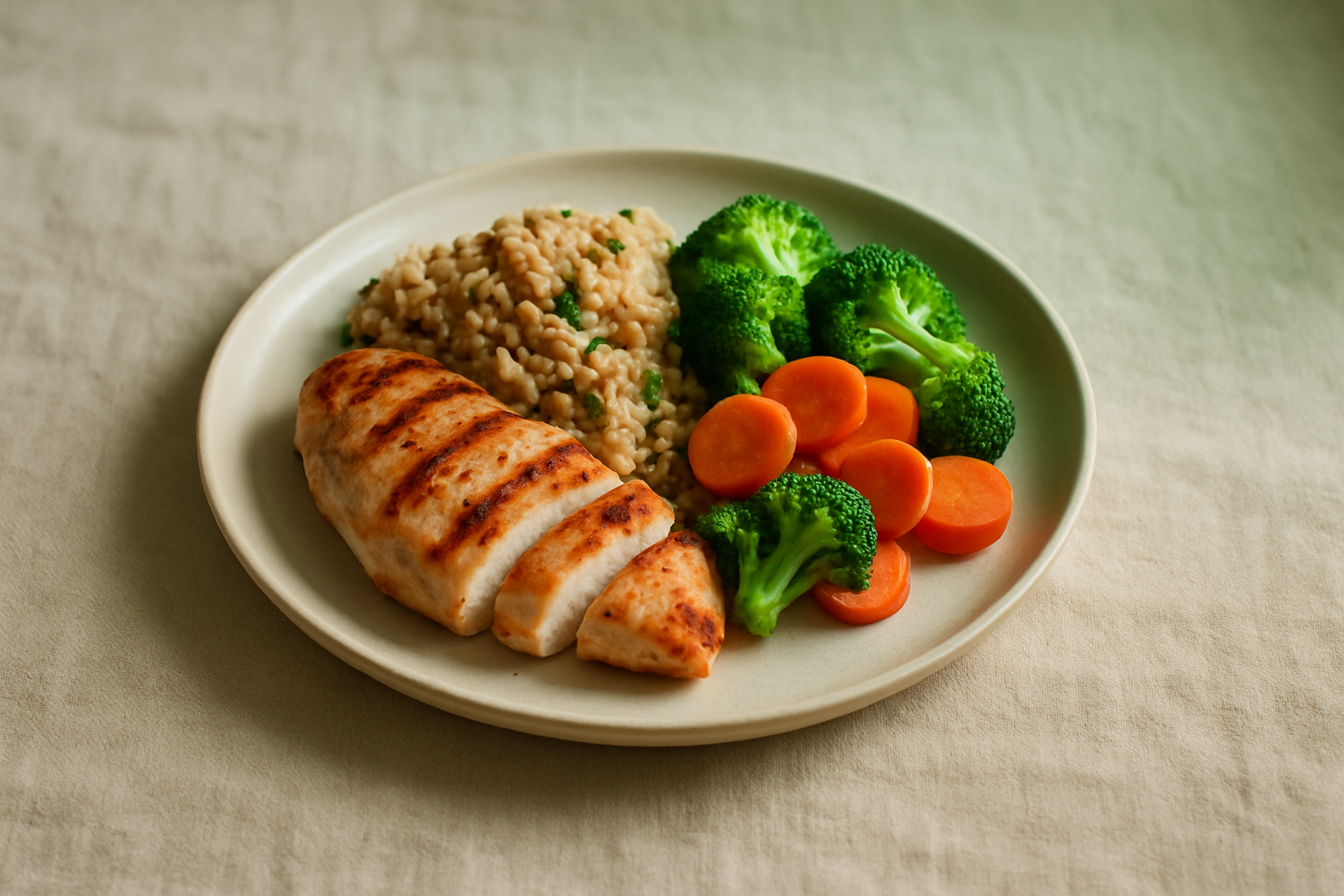
Quick answer: The best sources of healthy fats primarily include unsaturated plant-based options like olive oil, canola oil, sunflower oil, and other seed oils, as well as foods such as nuts, seeds, and avocados. These fats, particularly polyunsaturated and monounsaturated varieties, may help lower harmful LDL cholesterol and support overall cardiovascular health, distinguishing them from saturated fats found in animal products like beef tallow.
Quick facts
- Unsaturated fats, found in plants, may help lower LDL cholesterol.
- Olive oil, seed oils (canola, sunflower, soybean), nuts, and avocados are top sources.
- Replacing saturated fats with unsaturated fats may reduce heart disease risk.
- Saturated fats, like beef tallow, may raise harmful LDL cholesterol.
- Full-fat dairy can be consumed in moderation, prioritizing healthier fat sources.
- Always check food labels for the type and amount of fats.
Fats are a vital part of our diet, playing roles in energy, hormone production, and nutrient absorption. However, not all fats are created equal. Knowing the best sources of healthy fats is key to supporting your overall health.
What Makes a Fat 'Healthy'?
A fat is considered 'healthy' primarily based on its impact on cardiovascular health, specifically its influence on cholesterol levels. Healthy fats are predominantly unsaturated, meaning they contain monounsaturated fatty acids (MUFAs) or polyunsaturated fatty acids (PUFAs). These types of fats may help lower low-density lipoprotein (LDL) cholesterol, often referred to as "bad" cholesterol, and may support overall heart health. In contrast, saturated fats, commonly found in animal products, tend to raise LDL cholesterol Source.
Which Plant-Based Oils are Best?
Plant-based oils are excellent sources of healthy unsaturated fats. Olive oil stands out for its extensive research supporting its benefits, including improvements in cholesterol, blood pressure, and diabetes-related risks. Many seed oils, such as canola, corn, safflower, sunflower, and soybean oils, are also rich in unsaturated fats (over 80% unsaturated fat) and have been linked to improved cholesterol levels in numerous studies Source. These oils are versatile for cooking and salad dressings.
- Worked Example: To incorporate more healthy plant-based oils, try replacing butter with olive oil when sautéing vegetables or making salad dressings. Instead of frying with solid fats, use canola or sunflower oil. For a flavorful twist, sesame oil can be used sparingly for its unique taste in Asian-inspired dishes.
What About Fats in Whole Foods Like Nuts and Avocados?
Beyond oils, many whole foods offer significant amounts of healthy fats along with other beneficial nutrients like fiber, vitamins, and minerals. Nuts (like almonds, walnuts, pecans) and seeds (chia seeds, flax seeds, pumpkin seeds) are rich in unsaturated fats and can be easily added to meals or consumed as snacks. Avocados are another fantastic source of monounsaturated fats, along with potassium and fiber. Fatty fish, such as salmon, mackerel, and sardines, provide omega-3 polyunsaturated fatty acids, which are essential for brain and heart health.
How Do Healthy Fats Affect Cholesterol?
When you consume unsaturated fats, the liver may produce more receptors that actively remove harmful LDL cholesterol from the bloodstream. This process helps break down LDL particles and eliminate them from the body. Conversely, eating saturated fat may reduce the number and efficiency of these LDL receptors, allowing more LDL to remain in the bloodstream, which may accumulate in arteries and increase the risk of heart-related concerns Source. Therefore, choosing unsaturated fats may support healthier cholesterol profiles.
Should I Limit Full-Fat Dairy?
Full-fat dairy products, like cheese and yogurt, contain saturated fat. While not as detrimental as some other saturated fat sources, their impact depends on what you eat instead. If you replace full-fat dairy with refined grains, the benefit may be unclear. However, replacing it with plant-based options like nuts may offer a healthier substitution. A moderate approach is often recommended, perhaps limiting full-fat yogurt or cheese to about one serving per day, or two if you consume less red meat, which is also a significant source of saturated fat Source.
What Fats Should I Generally Minimize?
Fats high in saturated fat should generally be minimized, especially when healthier unsaturated alternatives are available. Beef tallow and butter, for instance, are high in saturated fat (beef tallow is over 50% saturated fat) and have been linked to adverse effects like increased LDL cholesterol and potential worsening of insulin control. For packaged foods, be mindful of palm oil and palm kernel oil, which are highly saturated and often used for their shelf stability. Always check the Nutrition Facts panel and aim for products where saturated fat is less than one-third of the total fat content.
Key takeaways
- 01Prioritize plant-based unsaturated fats from sources like olive oil, seed oils, nuts, seeds, and avocados.
- 02These healthy fats may help lower LDL cholesterol and support cardiovascular health.
- 03Minimize intake of fats high in saturated fat, such as beef tallow, butter, and palm oils.
- 04Moderate consumption of full-fat dairy may be appropriate, especially when balanced with other healthy fat sources.
- 05Always check food labels and ingredient lists to identify fat types in packaged foods.
Frequently asked
Are all seed oils healthy?+
Most seed oils, such as canola, sunflower, and soybean oils, are rich in unsaturated fats and are considered healthy as they may help improve cholesterol levels and support heart health. However, moderation is always key.
How much healthy fat should I eat daily?+
The amount of fat needed varies by individual. Generally, focusing on incorporating healthy fat sources into your meals, such as a handful of nuts, a serving of avocado, or using olive oil in cooking, is more important than strict calorie counting for fats.
Is coconut oil a healthy fat source?+
While coconut oil has gained popularity, it is primarily a saturated fat. Research suggests that replacing saturated fats with unsaturated fats may be more beneficial for heart health. For general cooking, plant oils rich in unsaturated fats are often preferred.
Can healthy fats help with weight management?+
Healthy fats are calorie-dense but can contribute to satiety, potentially helping with portion control. When consumed in appropriate amounts as part of a balanced diet, they can play a role in overall weight management by making meals more satisfying.
What are some easy ways to add healthy fats to my diet?+
You can easily add healthy fats by using olive oil in salad dressings, snacking on nuts and seeds, adding avocado to sandwiches or salads, incorporating fatty fish like salmon into your weekly meals, and choosing seed oils for cooking.
Sources
Every lesson is drafted from primary sources - official announcements, vendor blogs, and reputable industry reporting - then edited by our pipeline.
More on Macros & Energy
See all →Jan 1, 1970
Are Calories or Macros More Important? The Guide
Learn whether calories or macronutrients matter more for fat loss, muscle retention, and long-term metabolic health.
Jan 1, 1970
Carb Cycling Explained: A Guide to Strategic Carbohydrate Intake
This lesson explains carb cycling, a dietary strategy that varies carbohydrate intake daily or weekly to support fitness and health goals, differentiating between high-carb and low-carb days.
Jan 1, 1970
How Many Carbs Should I Eat? A Guide to Daily Carbohydrate Intake
Learn how to determine your ideal daily carbohydrate intake based on your energy needs, activity level, and health goals, ranging from general recommendations to specific dietary approaches.
Jan 1, 1970
High-Protein Foods for Weight Loss: Your Essential Guide
Discover how incorporating high-protein foods can support weight loss by enhancing satiety, preserving muscle, and boosting metabolism.
Free account
Want to go deeper?
Sign up free to unlock the full daily industry feed, save posts and articles to your library, and chat with the coach about anything you read.