
Are Probiotic Supplements Worth It? A Gut-Health Perspective
This lesson explores the role of probiotic supplements in supporting gut health, emphasizing that a diverse diet and lifestyle factors are primary drivers of a healthy microbiome.
Written by the Nutrition Tutor Academy teaching team from 1 primary source. How we source →
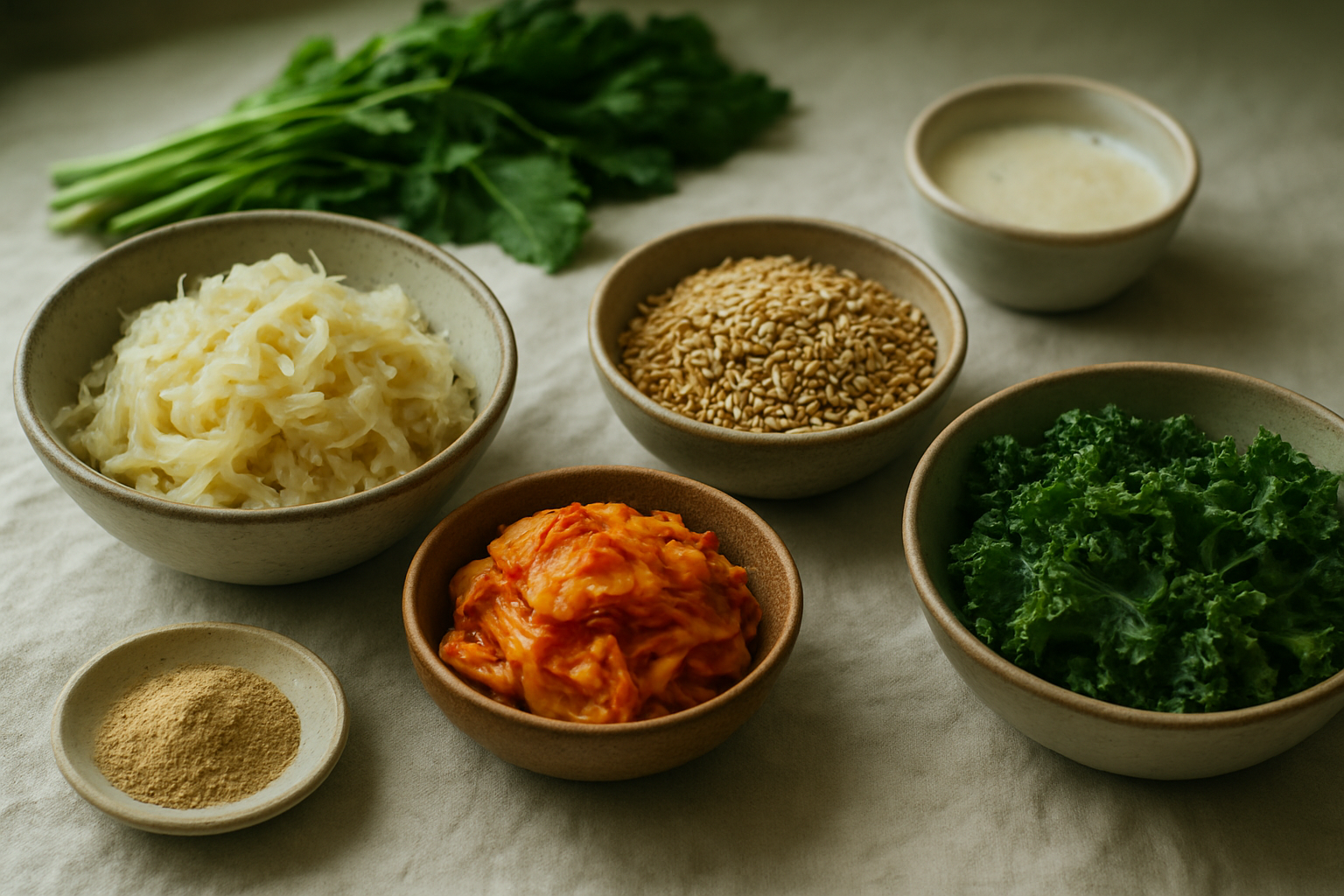
Quick answer: Probiotic supplements may offer benefits in specific situations, but their worth depends on individual needs and goals. While some research supports their use for certain conditions, a diverse diet rich in fiber and fermented foods, along with exposure to natural environments, is generally more impactful for fostering a robust and resilient gut microbiome.
Quick facts
- Gut health is interconnected with environmental microbes, as highlighted by the 'One Health' concept.
- A diverse diet and exposure to natural environments significantly shape the gut microbiome.
- The effectiveness of food on gut health can vary based on an individual's unique microbial community.
- Probiotic supplements introduce specific microbial strains, which may not always align with an individual's diverse needs.
- Fermented foods naturally contain beneficial microbes and contribute to dietary diversity.
- Lifestyle factors like spending time outdoors support gut microbial diversity more broadly.
Many people wonder if probiotic supplements are a necessary part of a healthy lifestyle. While probiotics can play a role, it's essential to understand the broader context of gut health and how our environment shapes it.
What is the difference between probiotics in food and supplements?
Probiotics are live microorganisms that, when administered in adequate amounts, confer a health benefit on the host. You can find them naturally in fermented foods like yogurt, kefir, sauerkraut, and kimchi. These foods often contain a variety of beneficial bacterial strains. Probiotic supplements, on the other hand, typically provide specific strains and quantities of bacteria in a concentrated form, often encapsulated. While both aim to introduce beneficial microbes, fermented foods also offer other nutrients and dietary diversity.
How does the 'One Health' concept relate to our gut microbiome?
Our gut microbiome is not an isolated system; it continuously interacts with the microbial diversity in our surroundings, a concept known as 'One Health.' This perspective recognizes that the health of humans, animals, and ecosystems are closely linked and interdependent. Microbes move from soil and water into plants and animals, and ultimately into our bodies, connecting us to the world around us. This means factors like healthy soil, interactions with pets, and spending time in nature all contribute to shaping our gut Source.
Can probiotics from supplements guarantee a healthy gut?
While probiotic supplements can introduce beneficial bacteria, they don't guarantee a healthy gut in isolation. The effectiveness can depend on the specific strains, the individual's existing microbiome, and their overall lifestyle. Research suggests that a diverse microbiome, influenced by a varied diet and environmental exposure, is key for robust gut health. For example, if your diet lacks fiber or you rarely spend time outdoors, simply taking a supplement might not address the root causes of microbial imbalance.
What are more impactful ways to support gut health?
Diversifying your diet is one of the most effective steps to support gut balance. Eating a variety of plant-based foods, including fruits, vegetables, legumes, and whole grains, provides different types of fiber that feed a wide range of beneficial gut bacteria. Including fermented products, such as yogurt or kimchi, also helps seed your gut with beneficial species. Moreover, connecting with nature by spending time outdoors and interacting with animals can introduce a wider array of environmental microbes to your body, further enriching your microbiome Source.
Worked Example: Diversifying Your Diet for Gut Health
Imagine you typically eat the same few vegetables each week, such as broccoli and carrots. To diversify your diet for gut health, you could try adding new plant-based foods like sweet potatoes, lentils, spinach, and blueberries over the course of a week. Additionally, you could incorporate a fermented food like a small serving of kimchi or a cup of plain kefir daily. This approach introduces a broader spectrum of prebiotics (fiber that feeds good bacteria) and probiotics, supporting a more varied and resilient gut microbiome than relying solely on a supplement.
When might probiotic supplements be considered?
Probiotic supplements may be considered for specific situations, such as after a course of antibiotics to help restore gut flora, or to support certain digestive issues under the guidance of a healthcare professional. They can also be useful when dietary intake of fermented foods is inconsistent or insufficient. However, it is always recommended to discuss their use with a qualified clinician, as individual needs and existing health conditions vary.
Key takeaways
- 01A diverse diet rich in plant-based foods and fermented products is fundamental for a healthy gut microbiome.
- 02Environmental exposure, like spending time in nature and with pets, contributes to gut microbial diversity.
- 03Probiotic supplements can be beneficial in specific contexts but are not a substitute for a healthy diet and lifestyle.
- 04The 'One Health' concept highlights the interconnectedness of human, animal, and environmental microbes.
- 05Consult a healthcare professional to determine if probiotic supplements are appropriate for your individual needs.
Frequently asked
What are probiotics?+
Probiotics are live microorganisms that, when consumed in adequate amounts, may offer health benefits to the host, particularly by supporting gut health.
Do all probiotic supplements work the same way?+
No, probiotic supplements contain different strains and quantities of bacteria, and their effects can vary depending on the specific strains used and the individual's unique microbiome.
Can I get enough probiotics from my diet alone?+
Many people can support their gut health through a diet rich in fermented foods (like yogurt, kefir, and sauerkraut) and diverse plant fibers. Supplements may be considered when dietary intake is insufficient or for specific health goals.
Are there any risks associated with taking probiotic supplements?+
Most healthy individuals tolerate probiotics well. However, some people may experience mild digestive upset. Individuals with compromised immune systems or serious underlying health conditions should consult a healthcare professional before taking supplements.
How long does it take for probiotics to work?+
The time it takes for probiotics to show effects can vary widely based on the individual, the specific probiotic strains, and the condition being addressed. Some people may notice changes within days, while for others, it might take weeks.
Should I take probiotics daily?+
Whether daily probiotic intake is beneficial depends on individual health goals and the specific product. For general gut health support, a diet rich in diverse foods and fermented products is often recommended as a primary strategy.
Sources
Every lesson is drafted from primary sources - official announcements, vendor blogs, and reputable industry reporting - then edited by our pipeline.
More on Gut Health
See all →Jan 1, 1970
How to Improve Your Gut Microbiome Naturally
Learn how dietary choices, including eating diverse plant-based foods and fermented products, along with lifestyle factors, can naturally support a healthy gut microbiome for overall well-being.
Jan 1, 1970
What Are the Signs of an Unhealthy Gut?
This lesson explains how an unhealthy gut, often characterized by an imbalanced microbiota or 'dysbiosis,' may manifest through various physical and systemic symptoms, impacting overall health.
Jan 1, 1970
What are the Best Sources of Soluble vs. Insoluble Fiber?
Learn the best food sources for both soluble and insoluble fiber and understand their distinct roles in supporting human gut health and overall well-being.
Jan 1, 1970
Is Kombucha Actually Healthy for Your Gut?
Discover if kombucha lives up to its health claims, particularly regarding its potential benefits for gut health and how its components may interact with your body.
Free account
Want to go deeper?
Sign up free to unlock the full daily industry feed, save posts and articles to your library, and chat with the coach about anything you read.