
What are the Best Sources of Soluble vs. Insoluble Fiber?
Learn the best food sources for both soluble and insoluble fiber and understand their distinct roles in supporting human gut health and overall well-being.
Written by the Nutrition Tutor Academy teaching team from 1 primary source. How we source →
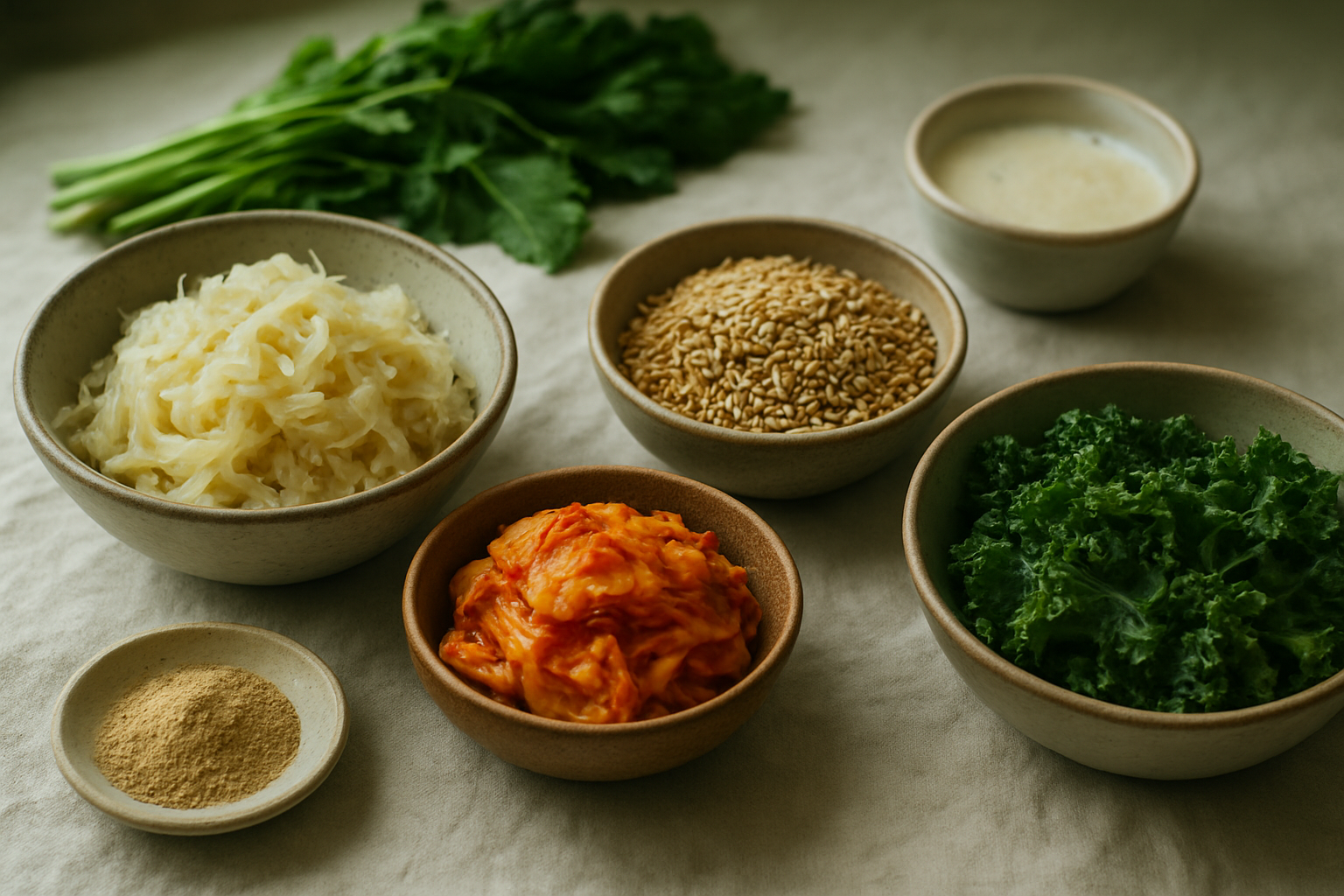
Quick answer: Soluble fiber, found in oats, beans, apples, and psyllium, dissolves in water to form a gel, which can help regulate blood sugar and cholesterol. Insoluble fiber, present in whole grains, nuts, seeds, and the skins of many fruits and vegetables, adds bulk to stool and aids in digestive regularity. Both types are crucial for a healthy digestive system.
Quick facts
- Soluble fiber dissolves in water, forming a gel-like substance in the digestive tract.
- Insoluble fiber does not dissolve in water; it adds bulk to stool.
- Good sources of soluble fiber include oats, barley, apples, citrus fruits, and legumes.
- Excellent insoluble fiber sources are whole wheat, brown rice, nuts, seeds, and vegetable skins.
- Most plant foods contain both soluble and insoluble fiber in varying proportions.
- Dietary fiber, regardless of type, supports gut health by influencing microbial fermentation and digestive processes.
Dietary fiber is a crucial component of a healthy diet, playing a significant role in digestive health and overall well-being. It is broadly categorized into two main types: soluble and insoluble fiber, each with distinct properties and benefits.
What is Soluble Fiber and What Foods Contain It?
Soluble fiber is a type of dietary fiber that dissolves in water to form a gel-like substance in the digestive tract. This gel slows down digestion, which can help regulate blood sugar levels by slowing the absorption of glucose. It can also bind to cholesterol in the digestive tract, aiding in its excretion. The fermentable nature of some soluble fibers means they can be metabolized by gut bacteria, supporting a healthy gut microbiome. Good sources of soluble fiber include:
- Oats and Barley: Especially rich in beta-glucans, a type of soluble fiber.
- Legumes: Beans, lentils, and peas are excellent sources.
- Fruits: Apples, citrus fruits (like oranges), berries, and bananas.
- Vegetables: Carrots, broccoli, and Brussels sprouts.
- Psyllium Husk: A common fiber supplement, extremely high in soluble fiber.
Worked Example: A serving of 1/2 cup dry oats (which yields about 1 cup cooked) typically provides around 4 grams of total fiber, with a significant portion being soluble fiber. Adding this to your breakfast can contribute to your daily soluble fiber intake.
What is Insoluble Fiber and Where Can You Find It?
Insoluble fiber does not dissolve in water. Instead, it passes through the digestive system largely intact, adding bulk to stool. This bulking effect helps promote regular bowel movements and can prevent constipation. By speeding up the passage of food through the digestive tract, insoluble fiber also contributes to digestive health. Sources of insoluble fiber include:
- Whole Grains: Whole wheat, brown rice, quinoa, and corn.
- Nuts and Seeds: Almonds, walnuts, flaxseeds, and chia seeds.
- Vegetables: Leafy greens (like spinach and kale), green beans, and celery.
- Fruit Skins: The skins of apples, pears, and potatoes are rich in insoluble fiber.
Worked Example: A slice of whole-wheat bread can offer about 2-3 grams of total fiber, predominantly insoluble. Opting for whole grains over refined grains is an easy way to increase insoluble fiber intake.
How Do Soluble and Insoluble Fiber Benefit Gut Health?
Both types of fiber are vital for a healthy digestive system, albeit through different mechanisms. Soluble fiber's gel-forming properties can lead to a feeling of fullness, which may support weight management. Its fermentation by gut bacteria produces short-chain fatty acids (SCFAs), which are important for gut lining health and can have broader metabolic benefits. Insoluble fiber acts as a 'bulking agent,' promoting regular bowel movements and assisting in the mechanical cleansing of the digestive tract. The importance of distinguishing between fiber types is highlighted in research, indicating that specific fiber fractions widely differ in properties like "solubility, water-holding capacity, and water-binding capacity," which in turn influence "digesta viscosity, passage rate, microbial fermentation, and satiety" Source.
What are the Recommended Daily Fiber Intakes?
The recommended daily fiber intake for adults varies by age and sex. Generally, adult women are advised to consume about 25 grams of fiber per day, while adult men should aim for about 38 grams per day. However, most people in Western countries do not meet these recommendations. A balanced diet rich in diverse plant foods naturally provides both types of fiber. For example, a medium apple provides approximately 4 grams of fiber, containing both soluble and insoluble components. Aiming for a variety of fruits, vegetables, whole grains, and legumes throughout the day will help ensure an adequate intake of both fiber types.
Can I Get Enough Fiber From Diet Alone?
Yes, it is entirely possible to meet daily fiber recommendations through a varied diet rich in whole foods. Prioritizing whole grains over refined grains, incorporating legumes into meals several times a week, and eating a wide array of fruits and vegetables with their skins on are effective strategies. While fiber supplements can be used, dietary fiber from whole foods also provides a spectrum of vitamins, minerals, and antioxidants that supplements do not. The goal is to integrate fiber-rich foods into every meal and snack to support comprehensive gut health and overall nutritional needs.
Key takeaways
- 01Soluble fiber dissolves in water, forming a gel that helps regulate blood sugar and cholesterol, found in oats, beans, and apples.
- 02Insoluble fiber adds bulk to stool and promotes regularity, abundant in whole grains, nuts, seeds, and vegetable skins.
- 03Both fiber types are essential for gut health, influencing digestion, microbial balance, and overall well-being.
- 04A diverse diet rich in fruits, vegetables, whole grains, and legumes naturally provides a beneficial mix of both soluble and insoluble fiber.
- 05Aim to meet daily fiber recommendations (25g for women, 38g for men) primarily through whole food sources.
Frequently asked
What is the main difference between soluble and insoluble fiber?+
Soluble fiber dissolves in water to form a gel, helping to slow digestion and support blood sugar and cholesterol management. Insoluble fiber does not dissolve in water, adding bulk to stool to promote regularity.
Do I need both types of fiber?+
Yes, both soluble and insoluble fiber are important for comprehensive digestive health. They work together to ensure efficient digestion, promote regular bowel movements, and support a healthy gut microbiome.
Can eating too much fiber be bad?+
While fiber is beneficial, consuming excessive amounts too quickly, especially without adequate fluid intake, can lead to digestive discomfort such as bloating, gas, and constipation. Gradually increasing fiber intake and drinking plenty of water can help mitigate these effects.
Are there fruits and vegetables that contain both types of fiber?+
Most plant-based foods, including fruits and vegetables, naturally contain a mix of both soluble and insoluble fiber. For example, apples have soluble fiber in their flesh and insoluble fiber in their skin.
How can I easily increase my fiber intake?+
Start by incorporating more whole grains (like brown rice and whole-wheat bread), adding legumes (beans, lentils) to meals, snacking on fruits and vegetables, and including nuts and seeds in your diet. Gradually increase your intake to allow your digestive system to adjust.
What is the role of fiber in gut bacteria health?+
Some soluble fibers are fermentable, meaning they are broken down by beneficial gut bacteria. This process produces short-chain fatty acids (SCFAs) that nourish gut cells and support the overall health and balance of the gut microbiome.
Sources
Every lesson is drafted from primary sources - official announcements, vendor blogs, and reputable industry reporting - then edited by our pipeline.
More on Gut Health
See all →Jan 1, 1970
How to Improve Your Gut Microbiome Naturally
Learn how dietary choices, including eating diverse plant-based foods and fermented products, along with lifestyle factors, can naturally support a healthy gut microbiome for overall well-being.
Jan 1, 1970
What Are the Signs of an Unhealthy Gut?
This lesson explains how an unhealthy gut, often characterized by an imbalanced microbiota or 'dysbiosis,' may manifest through various physical and systemic symptoms, impacting overall health.
Jan 1, 1970
Is Kombucha Actually Healthy for Your Gut?
Discover if kombucha lives up to its health claims, particularly regarding its potential benefits for gut health and how its components may interact with your body.
Jan 1, 1970
What Foods Cause Bloating? Understanding Common Triggers
Discover common food categories and specific examples that often lead to bloating, understand why they cause discomfort, and learn strategies to manage these effects.
Free account
Want to go deeper?
Sign up free to unlock the full daily industry feed, save posts and articles to your library, and chat with the coach about anything you read.