
How to Improve Your Gut Microbiome Naturally
Learn how dietary choices, including eating diverse plant-based foods and fermented products, along with lifestyle factors, can naturally support a healthy gut microbiome for overall well-being.
Written by the Nutrition Tutor Academy teaching team from 1 primary source. How we source →
Quick answer: Improving your gut microbiome naturally primarily involves dietary modifications that promote microbial diversity and beneficial bacteria growth. Prioritizing a diet rich in fiber from various plant sources, consuming fermented foods, and limiting processed items and added sugars are key. Lifestyle factors like regular physical activity and managing stress also contribute to a healthier gut environment.
Quick facts
- Dietary factors are strong correlates of gut microbiome structure.
- A diverse plant-based diet supports greater microbial diversity.
- Higher fiber intake, particularly from fruits, vegetables, and whole grains, feeds beneficial gut bacteria.
- Fermented foods introduce live beneficial microbes to the gut.
- Processed foods and high sugar intake can negatively impact gut balance.
- Fat-free mass (muscle) may be associated with greater gut microbial diversity.
The gut microbiome, an intricate community of microorganisms primarily residing in our intestines, plays a critical role in numerous bodily functions, from metabolism to immune regulation. Understanding how to naturally support this internal ecosystem is key to promoting overall health.
What is the Gut Microbiome and Why is it Important?
The gut microbiome refers to the collective genetic material and ecological community of bacteria, archaea, viruses, and fungi living within the human gastrointestinal tract. This complex ecosystem is crucial for breaking down food, synthesizing certain vitamins, and interacting with the immune system. A balanced and diverse gut microbiome is often associated with improved health outcomes, while imbalances may be linked to various metabolic and immune conditions.
How Does Diet Influence the Gut Microbiome?
Dietary choices are among the most significant factors shaping the composition and function of the gut microbiome. Research consistently shows that what we eat directly influences the types and numbers of microbes that thrive in our gut. A study examining adults with prediabetes and obesity found that "Dietary factors were the most consistent correlates of gut microbial beta diversity," indicating a strong link between food intake and the gut's microbial community Source.
What Foods Support a Healthy Gut Microbiome?
To naturally improve your gut microbiome, focus on foods that promote microbial diversity and the growth of beneficial bacteria:
- High-Fiber Plant Foods: Fruits, vegetables, whole grains, legumes, nuts, and seeds are rich in dietary fiber, which acts as prebiotics – food for your gut bacteria. These fibers are fermented by beneficial microbes, producing short-chain fatty acids (SCFAs) that support gut barrier integrity and immune function.
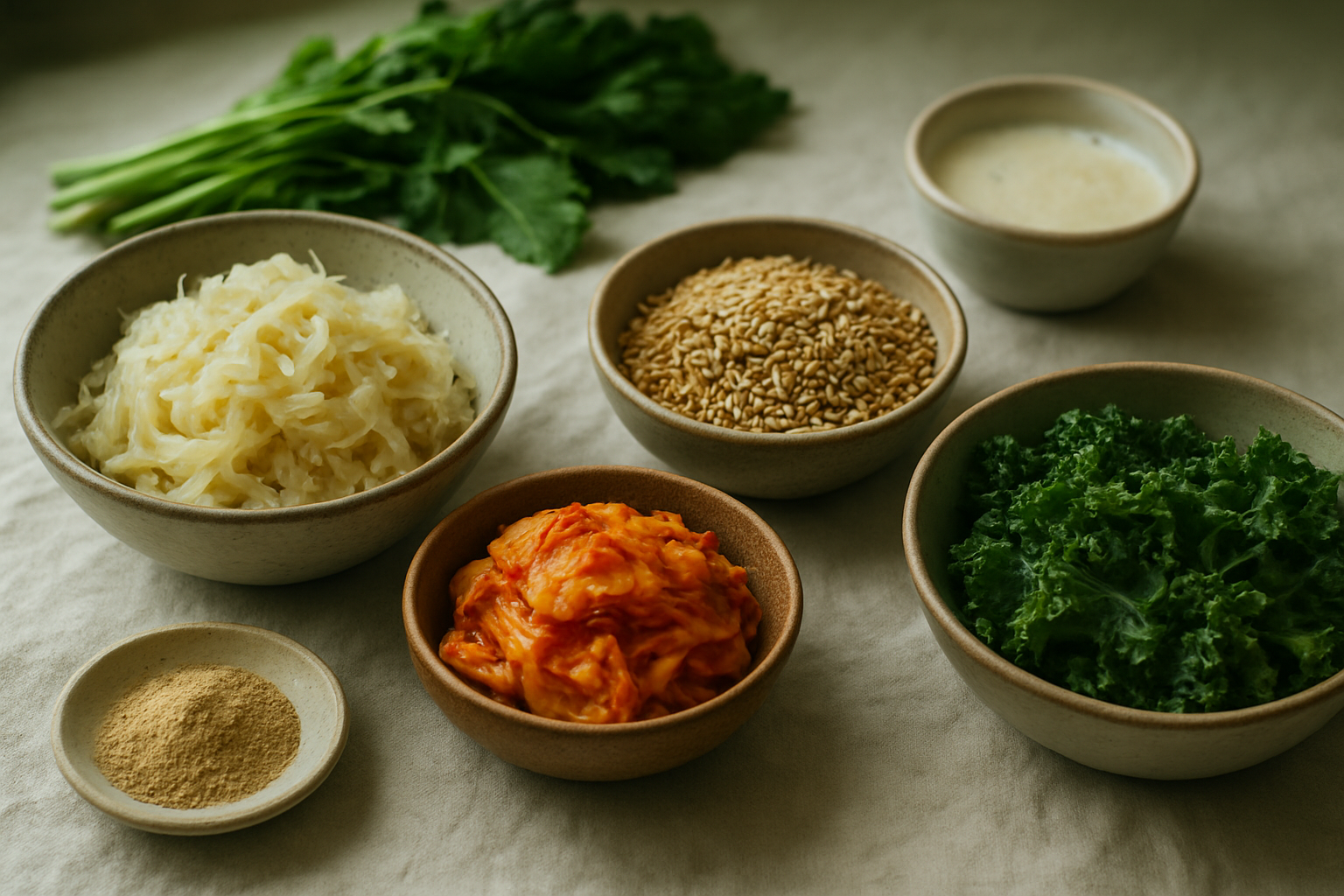
- Fermented Foods: Yogurt with live and active cultures, kefir, sauerkraut, kimchi, kombucha, and tempeh contain probiotics, which are live beneficial microorganisms that can temporarily colonize the gut and contribute to its diversity.
- Polyphenol-Rich Foods: Berries, dark chocolate, green tea, and colorful vegetables contain polyphenols, plant compounds that also act as prebiotics and have antioxidant properties that can benefit gut health.
For example, swapping a white bread sandwich for one made with whole-grain bread, adding a side of fermented pickles to your meal, and snacking on berries can introduce a wider array of fibers and beneficial microbes.
What Foods Should Be Limited for Gut Health?
Conversely, certain foods and dietary patterns can negatively impact the gut microbiome. A diet high in processed foods, added sugars, and unhealthy fats may reduce microbial diversity and promote the growth of less beneficial bacteria. The same study noted that the "Prevotella/Bacteroides ratio was positively associated with total energy, sugar, and carbohydrate intake," suggesting that high intake of these components can shift the microbial balance Source.
How Do Lifestyle Factors Impact the Gut Microbiome?
Beyond diet, several lifestyle factors contribute to a healthy gut microbiome:
- Physical Activity: Regular exercise may influence gut microbial diversity and composition. Research suggests that physically active individuals often have a more diverse microbiome than sedentary individuals.
- Stress Management: Chronic stress can alter gut motility, permeability, and microbial composition. Practices like meditation, yoga, or spending time in nature may help mitigate these effects.
- Adequate Sleep: Disrupted sleep patterns can affect gut health, potentially altering the balance of gut bacteria. Aim for 7-9 hours of quality sleep per night.
- Hydration: Drinking enough water is essential for digestive health and can help support the environment where gut bacteria thrive.
In summary, a holistic approach combining diverse, nutrient-rich foods with healthy lifestyle habits is the most effective way to naturally improve and maintain a thriving gut microbiome. Consulting a qualified healthcare professional or registered dietitian can provide personalized guidance.
Key takeaways
- 01A diet rich in diverse plant-based fibers, such as fruits, vegetables, and whole grains, is crucial for feeding beneficial gut bacteria and enhancing microbial diversity.
- 02Incorporating fermented foods like yogurt, kefir, and sauerkraut regularly introduces live beneficial microbes (probiotics) to the gut.
- 03Limiting highly processed foods, excessive added sugars, and unhealthy fats can help prevent imbalances in the gut microbiome.
- 04Beyond diet, lifestyle factors including regular exercise, stress reduction, and adequate sleep contribute significantly to maintaining a healthy gut.
- 05These natural strategies collectively support gut health, which may positively impact metabolism, immune function, and overall well-being.
Frequently asked
How quickly can I see changes in my gut microbiome after changing my diet?+
Changes in gut microbiome composition can occur relatively quickly, sometimes within days or weeks, after significant dietary shifts. Sustained dietary changes generally lead to more stable and beneficial alterations over time.
Do I need to take probiotic supplements to improve my gut microbiome?+
While probiotic supplements can be beneficial for some individuals, they are not always necessary. Many people can support a healthy gut microbiome through a diet rich in fermented foods and prebiotic fibers. Consult a healthcare professional to determine if supplements are appropriate for you.
What is microbial diversity in the gut and why is it important?+
Microbial diversity refers to the variety of different types of microorganisms living in your gut. A high level of diversity is generally considered a hallmark of a healthy gut microbiome, as different microbes perform different functions that contribute to overall host health.
Can stress really affect my gut microbiome?+
Yes, stress can significantly impact the gut microbiome. Chronic stress may alter the balance of gut bacteria, increase gut permeability, and affect digestive function through the gut-brain axis. Stress management techniques are important for gut health.
Are all fermented foods beneficial for the gut?+
Many fermented foods are beneficial because they contain live cultures. However, processing can sometimes remove or kill these beneficial microbes. Look for products labeled "live and active cultures" or "unpasteurized" to ensure you're getting the most gut-friendly benefits.
Is a vegetarian or vegan diet better for gut health?+
Vegetarian and vegan diets, when well-planned and rich in diverse plant foods, tend to provide a high amount of fiber and prebiotics, which can foster a diverse and healthy gut microbiome. However, a balanced omnivorous diet focusing on whole, unprocessed foods can also support gut health.
Sources
Every lesson is drafted from primary sources - official announcements, vendor blogs, and reputable industry reporting - then edited by our pipeline.
More on Gut Health
See all →Jan 1, 1970
What Are the Signs of an Unhealthy Gut?
This lesson explains how an unhealthy gut, often characterized by an imbalanced microbiota or 'dysbiosis,' may manifest through various physical and systemic symptoms, impacting overall health.
Jan 1, 1970
What are the Best Sources of Soluble vs. Insoluble Fiber?
Learn the best food sources for both soluble and insoluble fiber and understand their distinct roles in supporting human gut health and overall well-being.
Jan 1, 1970
Is Kombucha Actually Healthy for Your Gut?
Discover if kombucha lives up to its health claims, particularly regarding its potential benefits for gut health and how its components may interact with your body.
Jan 1, 1970
What Foods Cause Bloating? Understanding Common Triggers
Discover common food categories and specific examples that often lead to bloating, understand why they cause discomfort, and learn strategies to manage these effects.
Free account
Want to go deeper?
Sign up free to unlock the full daily industry feed, save posts and articles to your library, and chat with the coach about anything you read.