
Seasonal Produce Guide: Maximizing Nutrition with Whole Foods
Learn how eating seasonal produce can enhance nutrient intake, support variety in your diet, and contribute to overall health by providing diverse phytonutrients.
Written by the Nutrition Tutor Academy teaching team from 1 primary source. How we source →
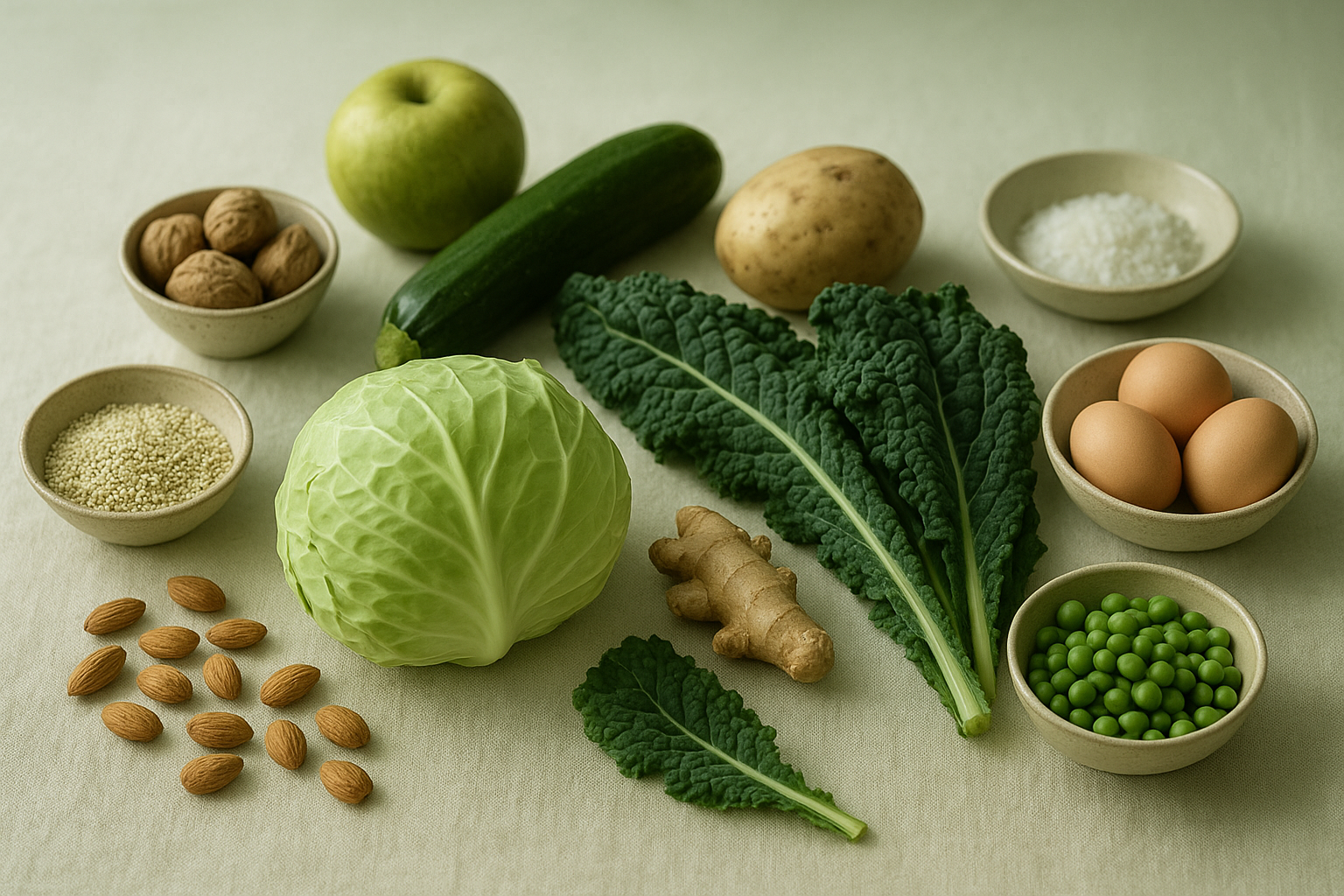
Quick answer: A seasonal produce guide for eating whole emphasizes consuming fruits and vegetables when they are naturally abundant, which often means they are at their peak for flavor and nutrient density. This practice naturally encourages dietary variety, exposing your body to a wider array of phytonutrients that support various aspects of health, including cardiovascular function, cognitive performance, and cellular protection.
Quick facts
- Eating seasonally promotes dietary variety, crucial for diverse phytonutrient intake.
- Phytonutrients support health by managing inflammation and protecting cells.
- Variety in produce intake is linked to lower rates of cardiovascular disease and mortality.
- Berries, rich in flavonoids, may support memory and cognitive performance.
- Cruciferous vegetables like broccoli activate the body's natural cancer defenses.
- Tomatoes, peppers, and carrots provide carotenoids that support heart health.
Eating whole, unprocessed foods is a cornerstone of good nutrition, and focusing on seasonal produce takes this approach a step further. It's about aligning your diet with nature's cycles, which can lead to enhanced nutrient intake and a broader spectrum of beneficial plant compounds.
What are the benefits of eating seasonal produce?
Eating produce when it's in season means consuming fruits and vegetables often at their peak ripeness, which can translate to better flavor and potentially higher nutrient density. More importantly, it encourages dietary variety. Rotating through different seasonal offerings throughout the year ensures you're consuming a wider range of phytonutrients—natural compounds in plants that help manage inflammation, protect cells from damage, and support biological processes vital for long-term health. For example, summer brings opportunities to enjoy corn, cucumbers, green beans, beets, and peppers, which belong to different plant families, diversifying your intake of protective compounds Source.
How does dietary variety impact cardiovascular health?
Research suggests that the variety of vegetables and fruits consumed can have a significant impact on heart health, independent of the total quantity. A 2023 systematic review and meta-analysis found that adults who ate a wider range of produce had lower rates of cardiovascular disease and overall mortality. This is because different plant families offer unique protective compounds; some reduce harmful cholesterol oxidation, others calm inflammation in blood vessel walls, and others improve how blood vessels function under pressure. No single vegetable can provide all these benefits alone.
Which seasonal foods support brain health?
Berries are particularly noteworthy for their potential to support memory and cognitive performance. Their deep colors come from anthocyanins, pigments that support blood flow to the brain and protect memory centers. An analysis of 80 clinical trials in 2022 linked flavonoids in berries to improvements in memory and cognitive function. The Nurses’ Health Study also found that women who regularly ate blueberries and strawberries experienced slower cognitive aging, by approximately 2.5 years. Early July marks the peak season for blueberries, blackberries, and raspberries, making it an ideal time to incorporate these nutrient-dense fruits into your diet. A practical target is a half-cup serving of berries most days of the week.
How do certain vegetables protect against cellular damage?
Cruciferous vegetables, such as broccoli, cauliflower, Brussels sprouts, cabbage, and arugula, contain natural sulfur-based compounds like sulforaphane. When these compounds break down during digestion, they activate the body's key protective systems against cellular damage and cancer development. A 2025 review confirmed sulforaphane’s protective effects against cellular damage and chronic inflammatory conditions. While these vegetables thrive in cooler months, they are generally available year-round. To maximize their benefits, lightly steam or eat them raw, as high-heat cooking can break down their protective compounds. Aim for three to four servings of different cruciferous vegetables per week.
What foods support heart and blood vessel health?
Foods rich in carotenoids—the natural pigments that give them vibrant colors—are beneficial for heart and blood vessels. Tomatoes, red and orange peppers, sweet potatoes, and carrots are excellent sources. These compounds offer anti-inflammatory and antioxidant effects within the cardiovascular system. Lycopene, abundant in tomatoes, has been shown in research to lower blood pressure and improve other cardiovascular risk markers with the equivalent of one to two tomatoes daily. Summer is the peak season for tomatoes and peppers, when they are most flavorful and nutrient-dense. Carotenoids are better absorbed when consumed with healthy fats like olive oil or avocado, and cooked tomatoes can deliver more available lycopene than raw ones.
Worked Example: To incorporate seasonal variety into a daily meal, consider making a summer salad. Combine fresh, ripe tomatoes and bell peppers (for carotenoids) with a handful of blueberries (for brain-boosting flavonoids). Add some steamed green beans (different plant family for variety) and dress with olive oil to enhance carotenoid absorption. This single meal provides a diverse array of phytonutrients from various plant families, supporting multiple health aspects. For cooler months, pivot to a stir-fry with broccoli florets and carrots, or a hearty soup with cabbage and sweet potatoes.
Key takeaways
- 01Prioritize eating a wide variety of seasonal fruits and vegetables to maximize phytonutrient intake.
- 02Dietary diversity, especially with produce, is independently linked to better cardiovascular and overall health.
- 03Berries are strongly associated with improved memory and cognitive function; aim for a half-cup daily.
- 04Cruciferous vegetables activate protective mechanisms against cellular damage and chronic inflammation.
- 05Combine carotenoid-rich foods (tomatoes, carrots) with healthy fats for optimal absorption and heart benefits.
Frequently asked
Why is eating seasonal produce important for whole eating?+
Eating seasonal produce naturally introduces variety into your diet, ensuring you consume a broader spectrum of phytonutrients that support different aspects of your health beyond basic vitamins and minerals.
What are phytonutrients and why do they matter for health?+
Phytonutrients are natural compounds found in plants that help the body manage inflammation, protect cells from damage, and support essential biological processes. Their diverse protective effects depend on eating a wide variety of plant foods consistently.
Does eating a variety of fruits and vegetables offer more benefits than just eating a lot of them?+
Yes, research indicates that the *variety* of fruits and vegetables consumed is independently associated with lower rates of cardiovascular disease and overall mortality, even separate from the total quantity. Different plant families provide different protective compounds.
Are frozen berries as beneficial as fresh berries for brain health?+
Yes, freezing effectively preserves most of the beneficial compounds, such as flavonoids and anthocyanins, responsible for berries' brain and heart health benefits. Frozen berries without added sugar are a reliable option year-round when fresh are out of season.
How can I maximize the benefits of cruciferous vegetables like broccoli?+
To maximize the protective compounds in cruciferous vegetables, it's best to lightly steam them or eat them raw, as high-heat cooking can break down their beneficial elements. Aim to rotate different varieties into your diet regularly.
How can I improve the absorption of beneficial compounds from tomatoes and carrots?+
Carotenoids, found in high concentrations in tomatoes and carrots, are fat-soluble. Eating these foods with a healthy fat, such as olive oil or avocado, can significantly enhance their absorption in the body. Cooked tomatoes also provide more available lycopene than raw ones.
Sources
Every lesson is drafted from primary sources - official announcements, vendor blogs, and reputable industry reporting - then edited by our pipeline.
More on Whole Foods
See all →Jan 1, 1970
Whole Food Meal Prep for Beginners: Your Essential Guide
This lesson guides beginners through whole food meal preparation, offering practical steps to save time and promote a nutrient-rich eating pattern.
Jan 1, 1970
Are Potatoes a Healthy Whole Food? A Nutrition Guide
This lesson explores the nutritional profile of potatoes, clarifying if they qualify as a healthy whole food and how their preparation impacts their health benefits.
Jan 1, 1970
Are Canned Beans a Whole Food?
This lesson explains how canned beans fit into whole food definitions, distinguishing them from ultraprocessed foods often high in added sugars, saturated fat, or sodium.
Jan 1, 1970
What's the Difference Between Processed and Ultra-Processed Foods?
This lesson explains the distinctions between processed and ultra-processed foods, focusing on their processing level, ingredients, and potential nutritional impacts to help you make informed dietary choices.
Free account
Want to go deeper?
Sign up free to unlock the full daily industry feed, save posts and articles to your library, and chat with the coach about anything you read.