
Are Calories or Macros More Important for Your Nutrition Goals?
This lesson explains the interconnected roles of calories and macronutrients, helping you understand which factor is more critical based on your specific dietary objectives.
Written by the Nutrition Tutor Academy teaching team from 1 primary source. How we source →
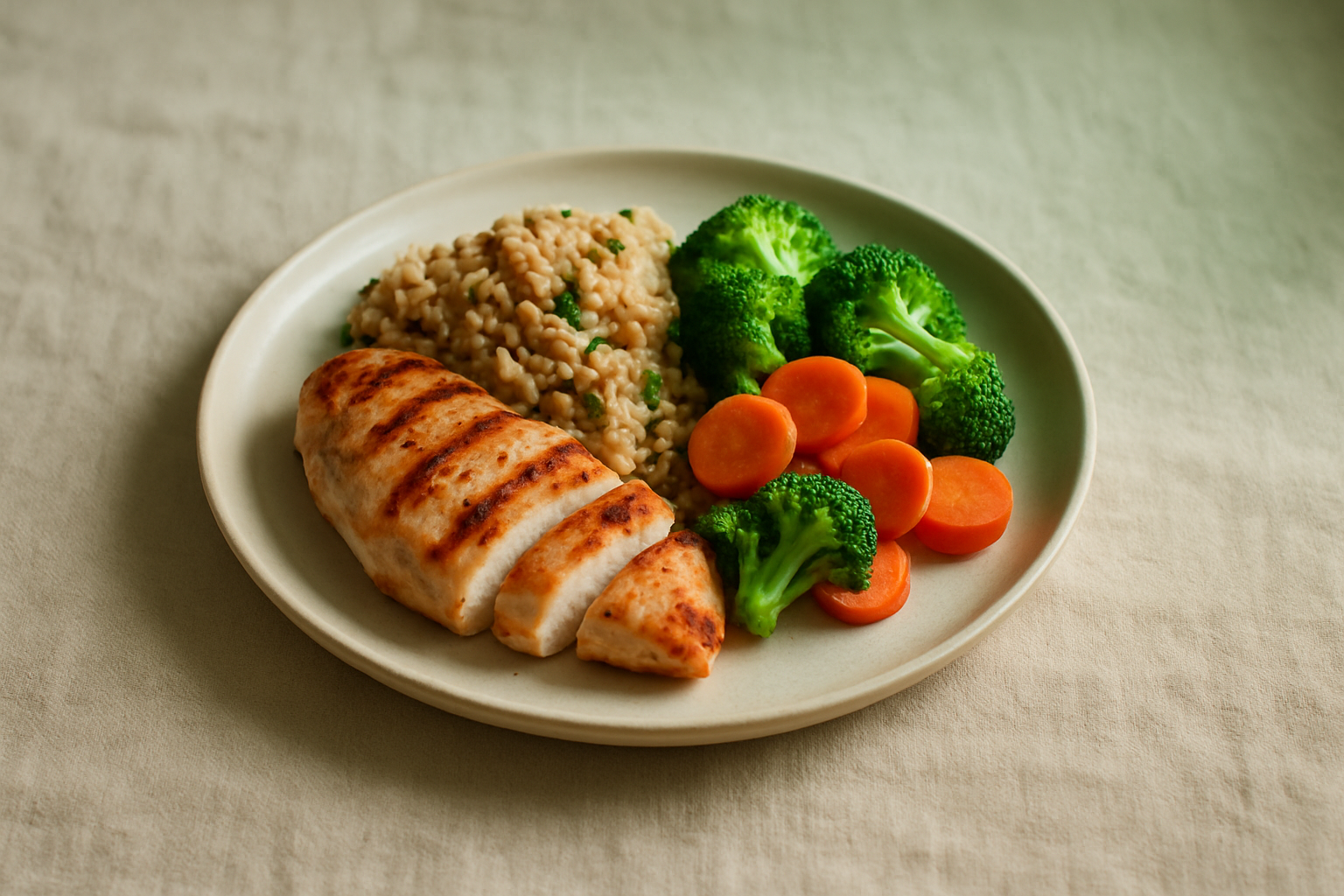
Quick answer: Both calories and macronutrients are crucial for dietary success, but their relative importance depends on individual goals. Calories dictate energy balance for weight change, while macronutrients (carbohydrates, fats, proteins) define the quality and composition of that energy, influencing body composition, satiety, and metabolic health. Achieving specific body composition or performance goals often requires attention to both.
Quick facts
- Calories determine overall energy intake, essential for weight management.
- Macronutrients (protein, carbs, fat) provide calories and influence body composition and satiety.
- For weight loss or gain, calorie balance is the primary driver.
- For muscle gain or specific health outcomes, macronutrient ratios become more critical.
- One gram of protein or carbohydrates provides 4 calories; one gram of fat provides 9 calories.
- A balanced approach considering both calories and macros often yields the best results.
When embarking on a nutrition journey, it's common to encounter the question: are calories or macros more important? The answer isn't a simple either/or, as both play distinct yet interconnected roles in how your body functions and responds to your diet.
What are Calories, and Why are They Important?
A calorie is a unit of energy. In nutrition, it refers to the amount of energy released when your body digests food. Calories are fundamental because they dictate your energy balance—the relationship between the energy you consume and the energy your body expends. To lose weight, you typically need to consume fewer calories than you burn (a caloric deficit). To gain weight, you need to consume more calories than you burn (a caloric surplus). For maintaining weight, your caloric intake should roughly match your expenditure. Without managing total caloric intake, achieving specific weight goals becomes challenging, regardless of macronutrient composition.
What are Macronutrients, and Why do They Matter?
Macronutrients are the nutrients your body needs in large amounts for energy and to support various bodily functions. The three primary macronutrients are carbohydrates, proteins, and fats. Each provides a different amount of energy per gram:
- Carbohydrates: 4 calories per gram. They are the body's primary and most readily available source of energy, fueling daily activities and exercise.
- Proteins: 4 calories per gram. Essential for building and repairing tissues, producing enzymes and hormones, and supporting immune function. Protein is particularly important for muscle maintenance and growth.
- Fats: 9 calories per gram. Vital for hormone production, nutrient absorption, and providing a concentrated source of energy. Dietary fats also play a role in satiety.
While calories provide the total energy, macronutrients determine the quality and type of energy, influencing factors like satiety, blood sugar regulation, and body composition. For example, a diet adequate in protein can support muscle retention during weight loss, while a diet rich in healthy fats can improve satiety.
How Do Calories and Macros Work Together?
Imagine a house. Calories are like the total budget for building that house—you need a certain amount of money to get it built. Macronutrients are like the specific materials you buy with that budget: wood, bricks, steel, or glass. While you need enough money (calories) to build anything, the choice of materials (macros) will determine the house's strength, appearance, and specific functions. A low-calorie diet that is also low in protein might lead to weight loss but also significant muscle loss. Conversely, a high-calorie diet with appropriate protein and resistance training can support muscle gain.
For example, two 2,000-calorie diets can have vastly different effects:
- Diet A (High Carbs, Low Protein/Fat): 70% carbs (350g), 15% protein (75g), 15% fat (33g). This might provide quick energy but could lead to higher hunger levels and less muscle support.
- Diet B (Balanced): 40% carbs (200g), 30% protein (150g), 30% fat (67g). This diet may promote greater satiety, better blood sugar control, and support muscle mass more effectively.
Both diets contain the same number of calories, but their macronutrient breakdown leads to different nutritional profiles and potential outcomes.
Which is More Important for Weight Loss?
For weight loss, calories are generally more important because creating a caloric deficit is the primary mechanism for losing body fat. You can optimize your macronutrients within that caloric deficit to enhance results, such as prioritizing protein to preserve muscle mass and increase satiety. However, without a caloric deficit, weight loss will not occur, regardless of macronutrient ratios.
Which is More Important for Body Composition (e.g., Muscle Gain)?
For body composition goals like muscle gain, both calories and macronutrients are equally important. You need a caloric surplus to fuel muscle growth, but you also need sufficient protein intake to provide the building blocks for new muscle tissue. Additionally, adequate carbohydrates replenish glycogen stores, providing energy for workouts, while healthy fats support hormone production. Focusing solely on calories without considering protein intake would likely yield suboptimal results for muscle gain.
Can Dietary Changes Affect Specific Markers, Even With Unchanged Calories or Macros?
Yes, the type of macronutrients can influence specific health markers, even if the overall calorie or macro percentages remain stable. For instance, replacing saturated fats with carbohydrates in a diet could lead to changes in certain lipid markers. One study observed that a low-saturated-fat DASH diet, compared to a high-saturated-fat Western diet, increased lipoprotein(a) levels by 11 mg/dL (24%) in participants. However, this same DASH diet also decreased apolipoprotein B and LDL-C, which are considered more significant markers for cardiovascular disease risk Source. This illustrates that the specific types and sources of macronutrients matter beyond just their caloric contribution or broad category percentages.
The Takeaway: A Holistic Approach
Ultimately, a balanced approach that considers both total caloric intake and macronutrient distribution is often the most effective strategy for achieving various health and fitness goals. Prioritize calories for managing weight, then fine-tune your macronutrients to support specific objectives like muscle maintenance, satiety, energy levels, or addressing particular health concerns. Consulting with a qualified nutrition professional can help tailor these principles to your individual needs and goals.
Key takeaways
- 01Calories are the primary determinant for weight loss or gain, governing energy balance.
- 02Macronutrients (protein, carbs, fat) influence body composition, satiety, and metabolic processes.
- 03For weight management, focus on caloric intake first; for body composition, both are critical.
- 04The *types* of macronutrients also matter, affecting health markers beyond just quantity.
- 05A holistic approach considering both calories and macro quality yields the best dietary outcomes.
Frequently asked
Can I lose weight by only tracking calories?+
Yes, weight loss primarily occurs with a consistent caloric deficit. However, optimizing macronutrients, especially protein, can help preserve muscle mass and increase satiety, making the weight loss process more effective and sustainable.
What happens if I only track macros and ignore calories?+
If you only focus on macronutrient ratios without considering total calories, you might inadvertently consume too many or too few calories for your goals. For example, hitting your protein target but overeating fat can lead to a caloric surplus and weight gain, even if your macro percentages seem appropriate.
Is one macronutrient more important than the others?+
All macronutrients are essential for different bodily functions. Protein is often emphasized for muscle building and satiety, while carbohydrates are vital for energy, and fats support hormone function and nutrient absorption. The ideal balance depends on individual needs and goals.
How do I calculate my calorie and macro needs?+
Calculating your calorie needs typically involves estimating your Basal Metabolic Rate (BMR) and adjusting for activity level. Macronutrient distribution then follows, often expressed as percentages of total calories (e.g., 30% protein, 40% carbs, 30% fat). Online calculators or a registered dietitian can assist with personalized calculations.
What is the 'thermic effect of food' in relation to macros?+
The thermic effect of food (TEF) is the energy expended during the digestion, absorption, and disposal of ingested nutrients. Protein has the highest TEF, meaning your body burns more calories processing protein compared to carbohydrates or fats, which can contribute to satiety and metabolic rate.
Can diet quality affect results, even if calories and macros are met?+
Yes, diet quality matters significantly. While meeting calorie and macro targets, choosing nutrient-dense whole foods over processed options provides essential vitamins, minerals, and fiber, which support overall health and optimal bodily function, potentially leading to better long-term outcomes.
Sources
Every lesson is drafted from primary sources - official announcements, vendor blogs, and reputable industry reporting - then edited by our pipeline.
More on Macros & Energy
See all →Jan 1, 1970
Carb Cycling Explained: A Guide to Strategic Carbohydrate Intake
This lesson explains carb cycling, a dietary strategy that varies carbohydrate intake daily or weekly to support fitness and health goals, differentiating between high-carb and low-carb days.
Jan 1, 1970
How Many Carbs Should I Eat? A Guide to Daily Carbohydrate Intake
Learn how to determine your ideal daily carbohydrate intake based on your energy needs, activity level, and health goals, ranging from general recommendations to specific dietary approaches.
Jan 1, 1970
High-Protein Foods for Weight Loss: Your Essential Guide
Discover how incorporating high-protein foods can support weight loss by enhancing satiety, preserving muscle, and boosting metabolism.
Jan 1, 1970
How Many Grams of Protein Are in an Egg?
This lesson details the typical protein content of an egg, factors influencing it, and how to incorporate eggs into a protein-rich diet.
Free account
Want to go deeper?
Sign up free to unlock the full daily industry feed, save posts and articles to your library, and chat with the coach about anything you read.