
Optimizing Protein Per Meal for Muscle Growth
Learn how much protein to consume per meal to maximize muscle protein synthesis and support muscle growth, based on current nutrition science.
Written by the Nutrition Tutor Academy teaching team from 3 primary sources. How we source →
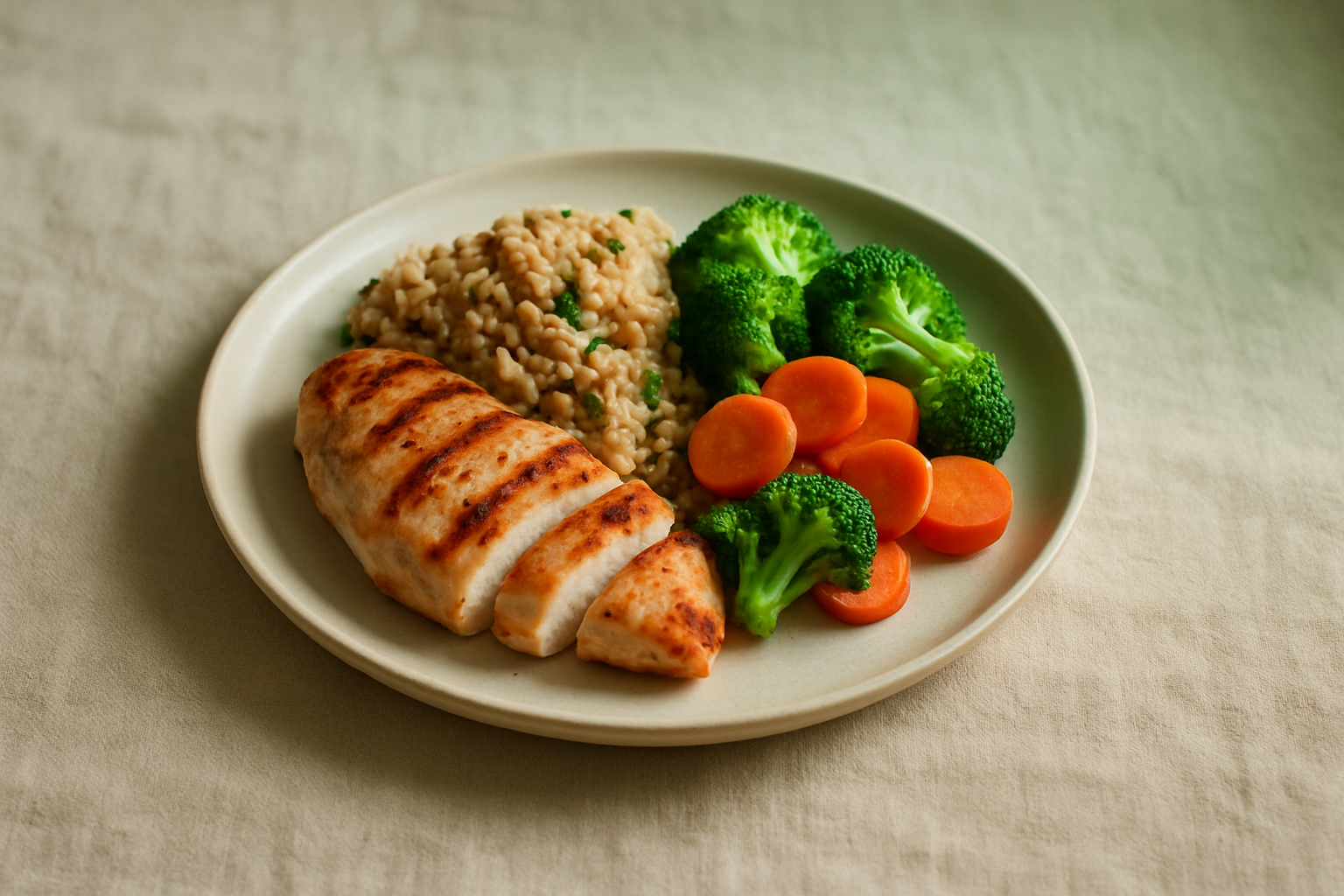
Quick answer: For optimal muscle protein synthesis (MPS) and muscle growth, many studies suggest consuming approximately 0.25 to 0.55 grams of protein per kilogram of body weight per meal, or roughly 20-40 grams, depending on individual factors. Distributing this intake across 3-5 meals throughout the day can effectively stimulate muscle repair and growth.
Quick facts
- Target 0.25-0.55 g protein per kg body weight per meal for MPS.
- A typical recommendation is 20-40 grams of protein per meal.
- Distribute protein intake evenly across 3-5 meals daily.
- Higher protein intake may be beneficial for older adults or during caloric deficit.
- Complete protein sources containing all essential amino acids are most effective.
To build and maintain muscle mass, the body requires a sufficient and consistent supply of amino acids, the building blocks of protein. The amount of protein consumed at each meal plays a significant role in stimulating muscle protein synthesis (MPS), which is the process of building new muscle tissue.
How much protein should you aim for per meal?
Research suggests that there's an optimal range for protein intake per meal to maximize muscle protein synthesis. For most healthy adults, this typically falls between 0.25 to 0.55 grams of protein per kilogram (kg) of body weight per meal. For instance, a 70 kg individual might aim for 17.5 to 38.5 grams of protein per meal. Alternatively, a general guideline often cited is approximately 20-40 grams of high-quality protein per meal. This amount appears to be sufficient to maximally stimulate MPS in many individuals.
Does more protein per meal mean more muscle growth?
While protein is essential for muscle growth, there appears to be a "ceiling" for how much protein your body can effectively use for muscle protein synthesis in a single meal. Consuming protein beyond this threshold, such as more than 40 grams for many individuals, may not lead to further increases in muscle protein synthesis rates at that specific time. The excess protein would likely be used for energy or other metabolic processes rather than additional muscle building.
How many protein-rich meals should you eat daily?
To maximize muscle growth and recovery, distributing your daily protein intake across multiple meals is generally more effective than consuming it all in one or two large servings. Many experts recommend consuming 3 to 5 protein-rich meals spread throughout the day, roughly every 3-5 hours. This strategy helps maintain elevated levels of amino acids in the bloodstream, providing a consistent signal for muscle protein synthesis.
What types of protein are best for muscle growth?
For muscle growth, prioritize complete protein sources that provide all nine essential amino acids. These include animal products like meat, poultry, fish, eggs, and dairy. Plant-based sources such as soy, quinoa, and combinations of foods like rice and beans can also provide complete protein profiles. The amino acid leucine, in particular, is a key activator of muscle protein synthesis, so choosing sources rich in leucine can be beneficial.
Worked Example: Calculating Protein Per Meal
Let's consider an individual weighing 80 kg who aims for muscle growth. Using the recommended range of 0.25-0.55 grams of protein per kg of body weight per meal:
- Minimum per meal: 0.25 g/kg * 80 kg = 20 grams of protein
- Maximum per meal: 0.55 g/kg * 80 kg = 44 grams of protein
This individual might aim for 25-40 grams of protein per meal, spread across 4 meals per day. If they consume 30 grams per meal across 4 meals, their daily intake would be 120 grams (30g * 4 meals). If their total daily protein target is 1.6-2.2 g/kg (128-176g), this distribution helps them reach that goal effectively. Remember that while this lesson focuses on protein, the overall diet quality, including fat intake, also matters for health Source.
Does age or training status affect protein needs?
Yes, individual factors like age and training status can influence optimal protein intake. Older adults, for example, may experience "anabolic resistance," meaning they require slightly more protein per meal to achieve the same muscle protein synthesis response as younger individuals. Recommendations for older adults might lean towards the higher end of the per-meal range, such as 0.4 to 0.6 grams per kg of body weight. Similarly, individuals engaged in intense training or those in a caloric deficit trying to preserve muscle mass might also benefit from higher protein intake per meal and throughout the day.
Key takeaways
- 01Aim for 0.25-0.55 grams of protein per kg body weight per meal, typically 20-40 grams, to stimulate muscle protein synthesis.
- 02Distribute protein intake evenly across 3-5 meals daily for consistent muscle support.
- 03Beyond a certain point (e.g., 40+ grams per meal for many), additional protein may not further boost muscle synthesis.
- 04Prioritize complete protein sources rich in essential amino acids, especially leucine.
- 05Individual needs vary by age, activity level, and goals; consult a professional for personalized guidance.
Frequently asked
Is 20g of protein enough for muscle growth per meal?+
For many individuals, 20 grams of high-quality protein per meal is sufficient to stimulate muscle protein synthesis, especially for those with lower body weight or less intense training.
What is the maximum protein absorption per meal?+
There isn't a strict 'maximum absorption' limit, but the rate of muscle protein synthesis appears to plateau after consuming about 20-40 grams of protein in a single meal for most people. Excess protein can still be utilized, but not necessarily for further muscle building at that moment.
How often should I eat protein for muscle gain?+
To optimize muscle gain, it's generally recommended to consume protein every 3 to 5 hours, distributing your total daily protein intake across 3 to 5 meals throughout the day.
Does my body weight impact how much protein I need per meal?+
Yes, body weight is a key factor. Protein recommendations for muscle growth are often given as grams per kilogram of body weight, meaning heavier individuals typically require more protein per meal.
Can I get enough protein for muscle growth from plant-based meals?+
Yes, it is possible to support muscle growth with plant-based meals. Focus on consuming a variety of plant protein sources like legumes, grains, nuts, and seeds to ensure you get all essential amino acids throughout the day.
Is it better to have more protein before or after a workout?+
The overall daily protein intake and distribution are more critical than the exact timing around a workout. However, consuming protein both before and after exercise can contribute to muscle repair and growth by providing amino acids when muscles need them.
Sources
Every lesson is drafted from primary sources - official announcements, vendor blogs, and reputable industry reporting - then edited by our pipeline.
More on Macros & Energy
See all →Jan 1, 1970
Are Calories or Macros More Important? The Guide
Learn whether calories or macronutrients matter more for fat loss, muscle retention, and long-term metabolic health.
Jan 1, 1970
Carb Cycling Explained: A Guide to Strategic Carbohydrate Intake
This lesson explains carb cycling, a dietary strategy that varies carbohydrate intake daily or weekly to support fitness and health goals, differentiating between high-carb and low-carb days.
Jan 1, 1970
How Many Carbs Should I Eat? A Guide to Daily Carbohydrate Intake
Learn how to determine your ideal daily carbohydrate intake based on your energy needs, activity level, and health goals, ranging from general recommendations to specific dietary approaches.
Jan 1, 1970
High-Protein Foods for Weight Loss: Your Essential Guide
Discover how incorporating high-protein foods can support weight loss by enhancing satiety, preserving muscle, and boosting metabolism.
Free account
Want to go deeper?
Sign up free to unlock the full daily industry feed, save posts and articles to your library, and chat with the coach about anything you read.