
How to Read a Food Label for Whole Foods
Learn how to interpret food labels to identify minimally processed, whole foods by focusing on ingredient lists, nutritional panels, and understanding processing levels.
Written by the Nutrition Tutor Academy teaching team from 3 primary sources. How we source →
Quick answer: Reading a food label for whole foods involves prioritizing the ingredient list for recognizable, simple components like fruits, vegetables, grains, and lean proteins, rather than additives or long lists of unfamiliar items. Check the nutrition panel for fiber, sugar, and sodium content, aiming for lower added sugars and sodium, and higher fiber. Minimal processing generally indicates a whole food choice.
Quick facts
- Prioritize the ingredient list: shorter and simpler is often better for whole foods.
- Look for recognizable ingredients like fruits, vegetables, whole grains, and lean meats.
- Be mindful of added sugars (often listed as sucrose, dextrose, corn syrup).
- Compare fiber content: whole foods are typically higher in dietary fiber.
- Evaluate sodium levels: highly processed foods often contain more sodium.
- Understanding processing levels helps distinguish whole from ultra-processed foods.
Navigating the grocery store aisles can be overwhelming, especially when trying to choose foods that align with a 'whole foods' approach. Food labels are powerful tools, but understanding what to look for can make all the difference.
What Defines a Whole Food on a Label?
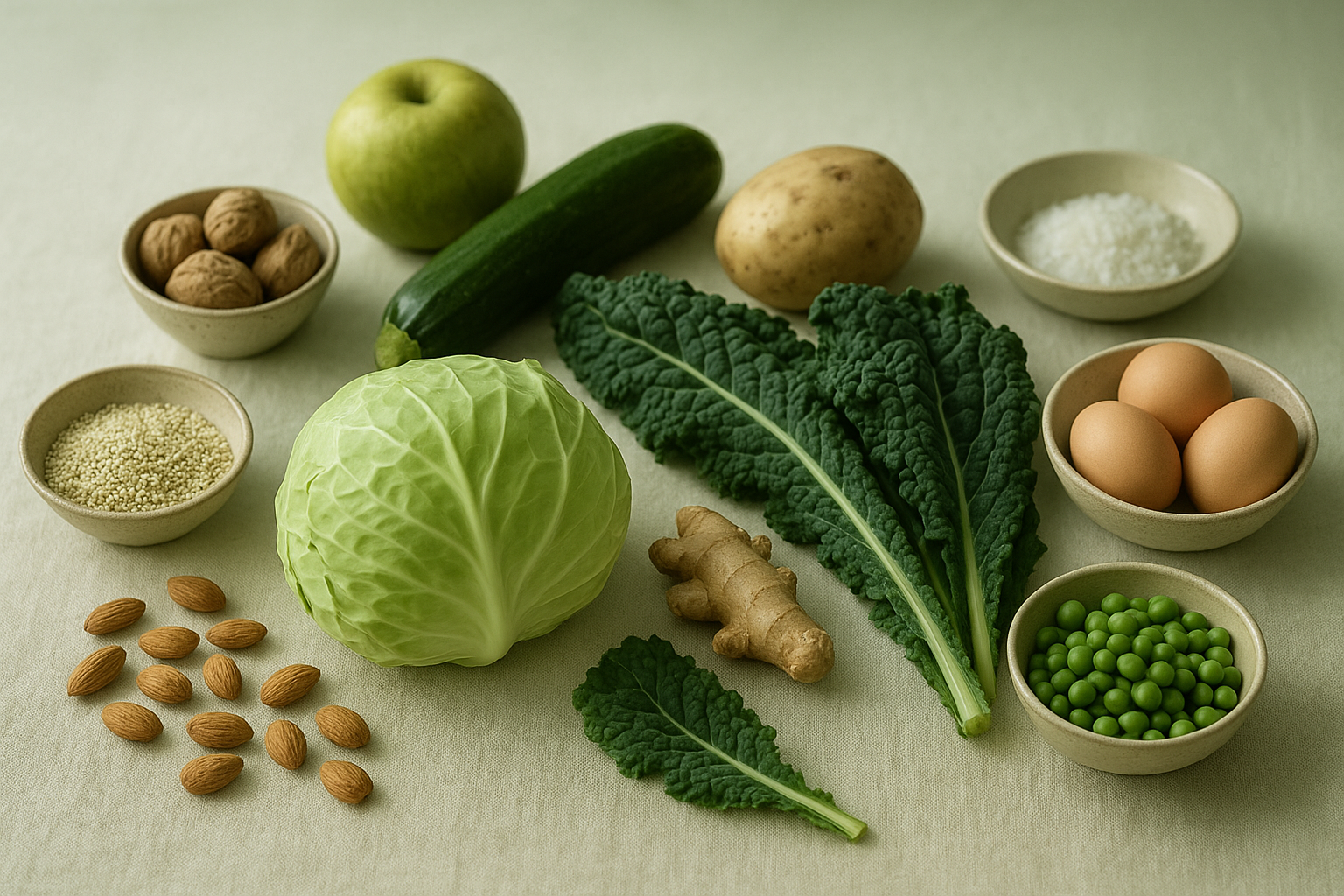
When identifying whole foods on a label, the primary focus should be on the ingredient list. Whole foods are typically unprocessed or minimally processed, meaning they retain most of their natural state and nutrients. Examples include fresh fruits, vegetables, whole grains, nuts, seeds, and legumes. For animal products, this would mean cuts of meat, poultry, or fish without extensive additions. The ingredient list should be short and contain items you recognize and could find in a home kitchen.
Why is the Ingredient List the Most Important Part?
The ingredient list provides a transparent view into what a food truly contains. For whole foods, you want to see a minimal number of ingredients. If an item claims to be a whole food, but its ingredient list includes many unfamiliar names, preservatives, artificial colors, or sweeteners, it's likely not. For example, a bag of frozen blueberries should ideally list only "blueberries." A whole wheat bread, while processed, would ideally list "whole wheat flour" as the first ingredient, followed by yeast, water, and perhaps a small amount of salt and sugar, rather than a long list of dough conditioners or high-fructose corn syrup.
How Can I Spot Minimally Processed Foods?
Minimally processed foods are those that have undergone processes like cleaning, chopping, grinding, or pasteurizing, but without adding significant amounts of fats, sugars, or sodium, or artificial components. Consider a container of plain Greek yogurt. Its ingredients typically include milk and live active cultures – simple and recognizable. In contrast, a flavored yogurt might have added sugars, artificial flavors, and stabilizers, moving it away from a minimally processed choice. The provided reference notes that even "ultra-processed" classifications can be complex and sometimes misinterpret ingredients like wheat gluten, which can be a traditional and beneficial component in many cuisines, highlighting that context matters beyond a simple 'processed' label Source.
What Nutritional Information Should I Prioritize?
While the ingredient list is paramount for whole foods, the nutrition facts panel offers supporting details. When assessing a food item:
- Dietary Fiber: Look for higher fiber content, especially in grain products, fruits, and vegetables. Fiber is naturally abundant in whole, unprocessed plant foods.
- Added Sugars: Pay close attention to the 'Added Sugars' line. Whole foods naturally contain sugars (like in fruit), but added sugars contribute extra calories without significant nutritional benefit. Aim for products with little to no added sugars.
- Sodium: Compare sodium levels. Many processed foods contain high amounts of sodium, whereas whole foods are naturally low in it.
- Fats: Prioritize unsaturated fats (monounsaturated and polyunsaturated) found in foods like nuts, seeds, and avocados, and minimize saturated and trans fats. Whole foods often naturally contain healthy fats.
Worked Example: Choosing Canned Tomatoes
Let's compare two cans of diced tomatoes:
Can A (Whole Food Choice):
- Ingredients: Diced tomatoes, tomato juice, calcium chloride (firming agent), citric acid (acidity regulator).
- Nutrition: Low sodium, 3g fiber per serving, 0g added sugars.
Can B (More Processed Choice):
- Ingredients: Diced tomatoes, water, high-fructose corn syrup, modified food starch, salt, artificial color.
- Nutrition: High sodium, 1g fiber per serving, 8g added sugars.
In this example, Can A is a better choice for a whole food approach because its ingredient list is simpler and more recognizable. It also has higher fiber and no added sugars, and lower sodium compared to Can B, which contains added sugars, starches, and artificial colors.
Key takeaways
- 01Scan the ingredient list first: Shorter lists with familiar ingredients typically indicate whole foods.
- 02Prioritize foods that are naturally high in fiber and low in added sugars and sodium.
- 03Understand that 'processed' isn't always negative; 'minimally processed' foods can be excellent choices.
- 04A food label helps you differentiate between truly whole foods and highly refined, additive-laden options.
- 05Use the nutrition panel to support ingredient list insights, especially for fiber and added sugars.
Frequently asked
What's the difference between 'processed' and 'whole' foods?+
Whole foods are in their natural state or minimally altered, like an apple. Processed foods have undergone changes from their natural state, which can range from minimal (e.g., chopped vegetables) to significant (e.g., highly refined snacks with many additives).
Are all processed foods unhealthy?+
No, not all processed foods are unhealthy. Minimally processed foods like pre-cut vegetables, canned beans, or whole-grain pasta can be nutritious and convenient. The concern typically arises with ultra-processed foods that contain many industrial ingredients.
How much added sugar is too much?+
For general health, experts suggest limiting added sugars to less than 10% of your daily calories. Reading labels helps identify sources of added sugar and make choices to stay within these recommendations.
What are common 'red flags' on an ingredient list?+
Common red flags include a very long ingredient list, ingredients you can't pronounce, multiple forms of sugar (e.g., corn syrup, dextrose, maltose), artificial colors or flavors, and trans fats (partially hydrogenated oils).
Can I trust front-of-package claims like 'natural' or 'healthy'?+
Front-of-package claims can be misleading. Always turn the package over and read the ingredient list and nutrition facts panel to understand the true nutritional content of a food, rather than relying solely on marketing terms.
Does 'organic' mean it's a whole food?+
Organic refers to how a food is grown or produced, without synthetic pesticides or fertilizers for plants, or antibiotics/growth hormones for animals. An organic food can still be highly processed (e.g., organic cookies). Always check the label for processing level.
Sources
Every lesson is drafted from primary sources - official announcements, vendor blogs, and reputable industry reporting - then edited by our pipeline.
More on Whole Foods
See all →Jan 1, 1970
Whole Food Meal Prep for Beginners: Your Essential Guide
This lesson guides beginners through whole food meal preparation, offering practical steps to save time and promote a nutrient-rich eating pattern.
Jan 1, 1970
Are Potatoes a Healthy Whole Food? A Nutrition Guide
This lesson explores the nutritional profile of potatoes, clarifying if they qualify as a healthy whole food and how their preparation impacts their health benefits.
Jan 1, 1970
Are Canned Beans a Whole Food?
This lesson explains how canned beans fit into whole food definitions, distinguishing them from ultraprocessed foods often high in added sugars, saturated fat, or sodium.
Jan 1, 1970
What's the Difference Between Processed and Ultra-Processed Foods?
This lesson explains the distinctions between processed and ultra-processed foods, focusing on their processing level, ingredients, and potential nutritional impacts to help you make informed dietary choices.
Free account
Want to go deeper?
Sign up free to unlock the full daily industry feed, save posts and articles to your library, and chat with the coach about anything you read.