
Do Carbs Make You Gain Weight?
This lesson explains that carbohydrate intake alone does not directly cause weight gain; rather, consistently consuming more calories than your body expends, regardless of the macronutrient source, leads to weight gain.
Written by the Nutrition Tutor Academy teaching team from 1 primary source. How we source →
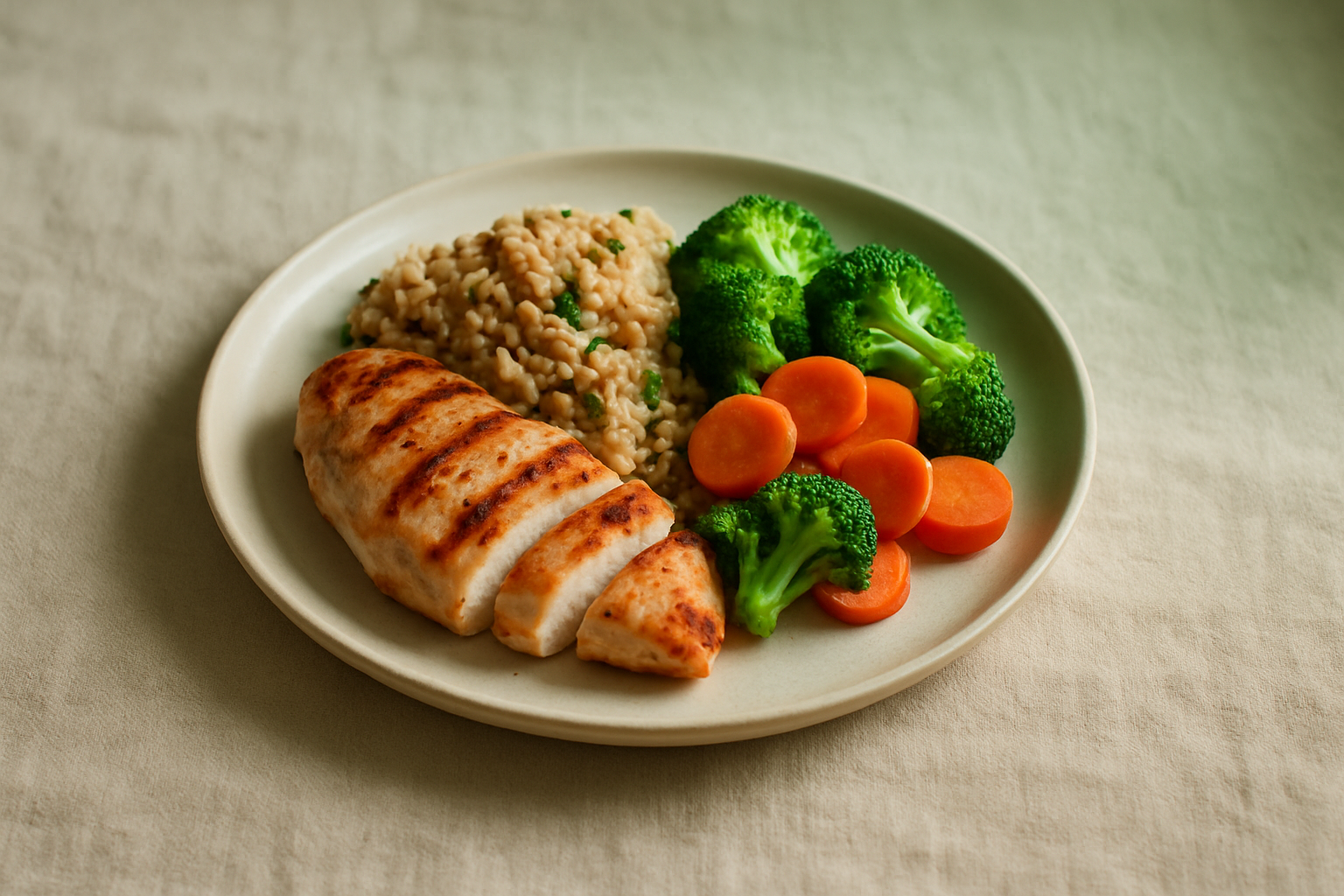
Quick answer: Carbohydrates do not inherently make you gain weight. Weight gain primarily results from a consistent caloric surplus, meaning consuming more calories than your body burns over time. While excess intake of any macronutrient, including carbohydrates, can contribute to this surplus, carbohydrates are essential for energy and do not singularly cause weight gain when consumed in appropriate amounts within an individual's caloric needs.
Quick facts
- Weight gain is primarily determined by total caloric intake versus expenditure.
- Carbohydrates are the body's preferred energy source.
- Excess calories from any macronutrient (carbs, fat, protein) can lead to weight gain.
- The type and quality of carbohydrates consumed matter for overall health and satiety.
- Protein intake, especially alongside resistance training, may support muscle mass, impacting body composition.
The relationship between carbohydrates and weight gain is a common topic in nutrition discussions. It's often misunderstood, leading to restrictive diets that may not be necessary or beneficial. Let's explore the science behind how carbohydrates affect body weight.
Do Carbohydrates Directly Cause Weight Gain?
No, carbohydrates themselves do not directly cause weight gain. Weight gain occurs when you consistently consume more calories than your body uses over time. This caloric surplus can come from any macronutrient: carbohydrates, fats, or proteins. Your body stores this excess energy, often as fat, leading to an increase in body weight. For instance, consuming a diet high in refined carbohydrates and fats, leading to a caloric surplus, would contribute to weight gain.
How Do Calories Relate to Weight Gain?
Calories are units of energy that your body obtains from food and beverages. Your body requires a certain number of calories daily to perform basic functions (like breathing and circulation) and physical activities. If your caloric intake consistently exceeds your caloric expenditure, your body stores the surplus energy. This principle, known as energy balance, is the primary driver of weight gain or loss, regardless of the macronutrient composition of your diet.
Are All Carbohydrates the Same?
No, carbohydrates are not all the same, and their impact on satiety and overall diet quality can differ significantly. Whole, unprocessed carbohydrates like fruits, vegetables, whole grains, and legumes provide fiber, vitamins, and minerals. These tend to be more filling and have a slower impact on blood sugar. Refined carbohydrates, such as white bread, sugary drinks, and pastries, often lack fiber and can be easily overconsumed, potentially contributing to a caloric surplus.
Can Protein Intake Influence Body Composition?
While carbohydrates are a primary energy source, protein plays a crucial role in satiety and muscle maintenance. Adequate protein intake, especially in conjunction with resistance training, may support gains in fat-free mass (muscle mass). Research indicates that dietary protein supplementation significantly enhances changes in muscle strength and size during prolonged resistance exercise training in healthy adults Source. This can influence body composition by increasing metabolically active tissue.
How Does Caloric Density Impact Weight Management?
The caloric density of foods, meaning how many calories they contain per gram, plays a significant role in managing weight. Foods high in water and fiber, like most fruits and vegetables, tend to have lower caloric density, meaning you can eat a larger volume for fewer calories, which may promote satiety. Conversely, foods high in added sugars and fats, regardless of their carbohydrate content, often have higher caloric density, making it easier to consume excess calories without feeling full.
Worked Example: Caloric Balance and Weight
Imagine two scenarios for a person whose body burns 2000 calories per day:
- Scenario 1: High-Carb Diet. This person consumes 2500 calories daily, with 60% (1500 calories) from carbohydrates, 20% from protein, and 20% from fat. Since they are eating 500 calories more than they burn, they will likely gain weight over time, regardless of the high carbohydrate intake.
- Scenario 2: Low-Carb Diet. This person consumes 2500 calories daily, with 20% (500 calories) from carbohydrates, 40% from protein, and 40% from fat. Despite the lower carbohydrate intake, they are still in a 500-calorie surplus, and therefore will also likely gain weight.
This example illustrates that the total caloric intake, not just the carbohydrate content, is the primary determinant of weight gain or loss. Focus on overall energy balance and the quality of your food choices.
Key takeaways
- 01Weight gain is driven by a consistent caloric surplus, not solely by carbohydrate intake.
- 02All macronutrients (carbs, fats, proteins) contribute calories; excess from any can lead to weight gain.
- 03Prioritize whole, fiber-rich carbohydrates for better satiety and nutrient intake.
- 04Adequate protein intake can support muscle mass, which is important for body composition.
- 05Sustainable weight management focuses on energy balance and a balanced, varied diet.
Frequently asked
Can eating too many 'good' carbs make you gain weight?+
Yes, even 'good' or healthy carbohydrates, like whole grains and fruits, can contribute to weight gain if consumed in amounts that lead to a consistent caloric surplus above your body's energy needs. It's about total calories.
Do carbs cause insulin spikes that lead to fat storage?+
Carbohydrates do cause insulin release, which helps transport glucose into cells for energy. While insulin is involved in fat storage, weight gain occurs from a caloric surplus, not just insulin itself. The type of carb and overall meal composition influence the insulin response.
Are low-carb diets better for weight loss?+
Low-carb diets can be effective for weight loss, but their success is often due to creating a caloric deficit through reduced food variety and increased satiety from protein and fat. Other dietary approaches that create a caloric deficit can be equally effective.
What kind of carbs should I eat for weight management?+
Focus on complex carbohydrates rich in fiber, such as whole grains (oats, brown rice, quinoa), fruits, vegetables, and legumes. These provide sustained energy and promote fullness, helping manage overall calorie intake.
How many carbs should I eat to avoid weight gain?+
There's no single number, as individual needs vary. The amount of carbohydrates you should eat depends on your total daily caloric needs, activity level, and health goals. The key is to balance carbohydrate intake within your overall caloric budget.
If I cut out carbs, will I automatically lose weight?+
Initially, you might lose water weight as your body depletes glycogen stores. Sustainable weight loss from cutting carbs only occurs if it leads to a consistent caloric deficit. If you replace those carb calories with an equal amount of calories from other sources, you may not lose weight.
Sources
Every lesson is drafted from primary sources - official announcements, vendor blogs, and reputable industry reporting - then edited by our pipeline.
More on Macros & Energy
See all →Jan 1, 1970
Carb Cycling Explained: A Guide to Strategic Carbohydrate Intake
This lesson explains carb cycling, a dietary strategy that varies carbohydrate intake daily or weekly to support fitness and health goals, differentiating between high-carb and low-carb days.
Jan 1, 1970
High-Protein Foods for Weight Loss: Your Essential Guide
Discover how incorporating high-protein foods can support weight loss by enhancing satiety, preserving muscle, and boosting metabolism.
Jan 1, 1970
How Many Grams of Protein Are in an Egg?
This lesson details the typical protein content of an egg, factors influencing it, and how to incorporate eggs into a protein-rich diet.
Jan 1, 1970
Best Sources of Healthy Fats for a Heart-Healthy Diet
This lesson details the best sources of healthy fats, focusing on plant-based options like olive oil, seed oils, nuts, and avocados, which may support heart health and maintain healthy cholesterol levels.
Free account
Want to go deeper?
Sign up free to unlock the full daily industry feed, save posts and articles to your library, and chat with the coach about anything you read.