
Are Calories or Macros More Important for Your Diet?
Understand the distinct roles of calories and macronutrients to effectively manage your energy intake and nutrient distribution for various health and fitness goals.
Written by the Nutrition Tutor Academy teaching team from 3 primary sources. How we source →
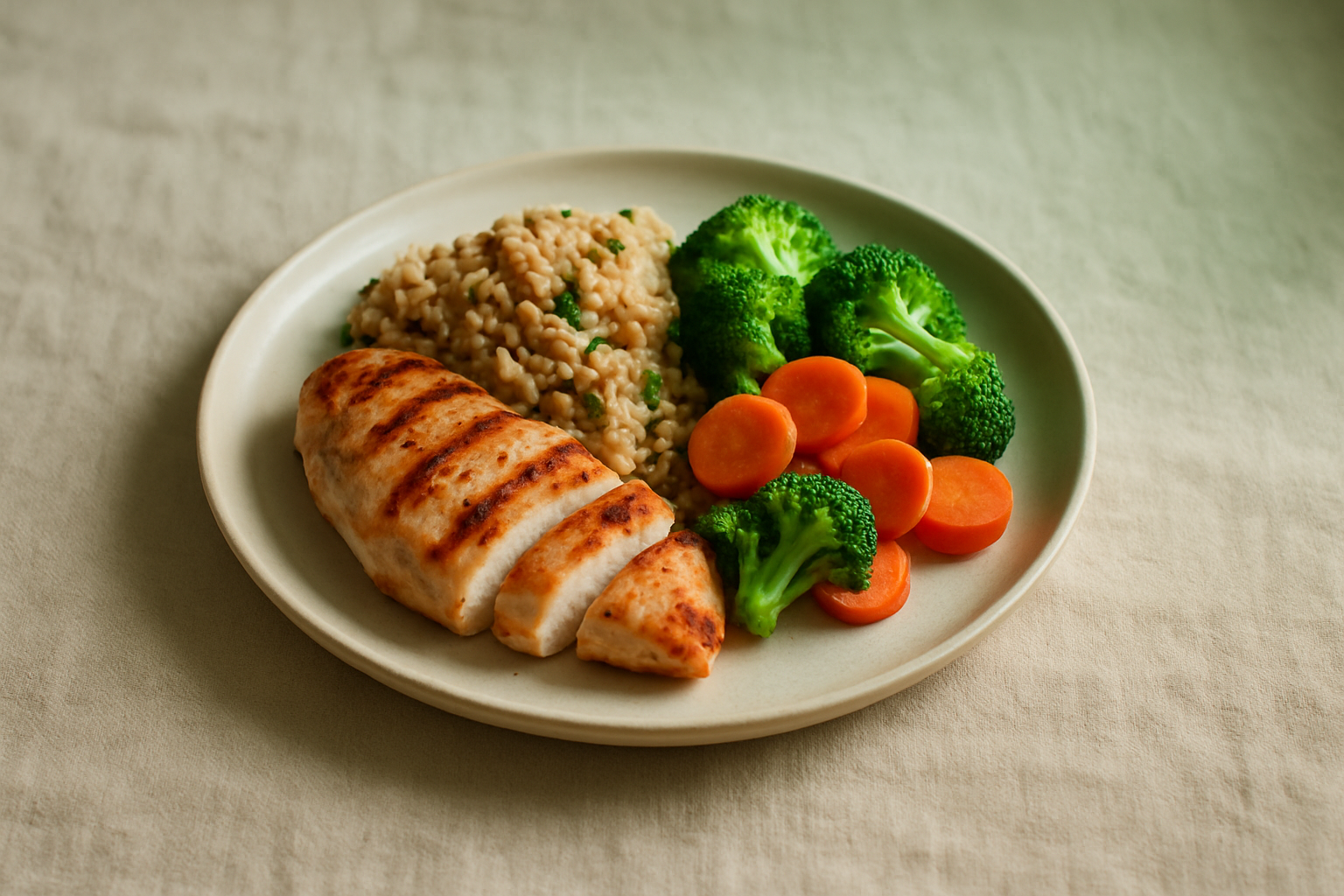
Quick answer: Both calories and macronutrients are crucial for dietary success, but their importance can vary based on individual goals. Calories dictate energy balance, determining weight gain or loss, while macronutrients (carbohydrates, proteins, fats) supply these calories and influence body composition, satiety, and performance. For most goals, a thoughtful balance of both is essential, considering calories for energy needs and macros for specific physiological functions.
Quick facts
- Calories represent the total energy content of food.
- Macronutrients (carbs, proteins, fats) are the components that provide these calories.
- Weight management primarily depends on caloric balance (calories in vs. calories out).
- Body composition, muscle gain, and satiety are heavily influenced by macronutrient ratios.
- Athletic performance can be optimized by specific macronutrient timing and types.
- Focusing on both offers a comprehensive approach to nutrition.
When planning your diet, you often hear discussions about both calories and macronutrients. While seemingly distinct, these two concepts are deeply interconnected and both play vital roles in achieving various nutritional goals.
What are Calories and Why Do They Matter?
Calories are units of energy. They measure the energy your body receives from food and beverages and the energy it expends through daily activities and bodily functions. Your body needs a certain number of calories daily to maintain basic physiological processes (basal metabolic rate) and fuel physical activity. Consuming more calories than your body uses typically leads to weight gain, while consuming fewer calories typically leads to weight loss. Therefore, managing your overall calorie intake is fundamental for weight management, whether you aim to gain, lose, or maintain weight.
What are Macronutrients and Why Do They Matter?
Macronutrients are the components of food that your body needs in large amounts to provide energy and support bodily functions. There are three primary macronutrients: carbohydrates, proteins, and fats.
- Carbohydrates: Provide 4 calories per gram. They are the body's primary and most readily available source of energy, especially important for fueling exercise and brain function. Different types of carbohydrates (e.g., simple sugars vs. complex starches) can influence blood sugar levels and sustained energy.
- Proteins: Provide 4 calories per gram. Essential for building and repairing tissues, making enzymes and hormones, and supporting immune function. Protein intake is crucial for muscle maintenance and growth, and it can also contribute significantly to satiety.
- Fats: Provide 9 calories per gram. They are a concentrated source of energy, vital for hormone production, nutrient absorption, and protecting organs. Healthy fats are important for overall cellular health and can also enhance satiety.
Each macronutrient contributes to the total caloric value of your food, but they also have unique roles in the body that go beyond just energy provision.
Which is More Important for Weight Management: Calories or Macros?
For weight management, calories are generally considered the primary determinant. To lose weight, you typically need to be in a caloric deficit, meaning you consume fewer calories than you burn. Conversely, a caloric surplus is usually required for weight gain. However, macronutrients significantly influence how you achieve that caloric balance and what happens to your body composition. For example, a diet rich in protein may help you feel fuller, making it easier to stick to a caloric deficit, and supports muscle retention during weight loss. Similarly, the type of carbohydrates and fats consumed can impact energy levels and overall health outcomes.
Which is More Important for Body Composition and Performance: Calories or Macros?
While total caloric intake sets the stage for weight changes, macronutrient distribution plays a more critical role in body composition (the ratio of fat to muscle) and athletic performance. For building muscle, adequate protein intake is essential alongside a caloric surplus or maintenance level. For endurance athletes, sufficient carbohydrate intake is crucial to fuel long training sessions and aid recovery. For instance, research on endurance exercise suggests that consuming specific combinations of carbohydrates, like glucose plus fructose, can lead to higher exogenous carbohydrate oxidation compared to glucose alone, potentially supporting sustained performance Source. This highlights how the type and ratio of macronutrients matter, especially in specific scenarios.
Worked Example:
Imagine two individuals, both consuming 2000 calories per day, aiming to improve body composition and athletic performance. Both are in a slight caloric deficit for slow fat loss.
- Person A's Diet (High Carb, Moderate Fat, Low Protein): 60% Carbs (300g), 25% Fat (56g), 15% Protein (75g).
- Person B's Diet (Moderate Carb, Moderate Fat, High Protein): 40% Carbs (200g), 30% Fat (67g), 30% Protein (150g).
While both diets provide the same number of calories, Person B's higher protein intake would likely be more supportive of muscle maintenance and repair, leading to better body recomposition and potentially improved recovery from workouts, even in a caloric deficit. The higher protein may also contribute to greater satiety, making adherence easier.
How Can You Balance Calories and Macros?
Balancing calories and macros involves a two-step approach:
- Determine your caloric needs: Estimate your daily energy expenditure based on factors like age, sex, weight, height, and activity level. This provides your target calorie range for your specific goal (maintenance, gain, or loss).
- Distribute your macronutrients: Once you have your calorie target, allocate those calories among carbohydrates, proteins, and fats based on your individual goals and preferences. For general health, a balanced approach is often recommended. For specific goals like muscle gain, athletic performance, or managing certain health conditions, adjusting the ratios of macros may be beneficial. For example, a common recommendation for active individuals is 1.6-2.2 grams of protein per kilogram of body weight to support muscle protein synthesis.
Key takeaways
- 01Calories are the fundamental measure of energy, essential for weight management (gain, loss, or maintenance).
- 02Macronutrients (carbs, proteins, fats) deliver calories and provide specific physiological benefits, influencing body composition and performance.
- 03For weight changes, caloric balance is paramount; for body composition and performance, macronutrient ratios are key.
- 04A holistic approach involves first setting a calorie target, then optimizing macronutrient distribution within that target.
- 05The type of macronutrients can influence specific outcomes, such as carbohydrate oxidation during exercise.
Frequently asked
Can I ignore calories if I track my macros?+
No, tracking macros inherently tracks calories because macros are the source of calories. However, focusing solely on macro ratios without considering total calories can still lead to unintended weight changes if the overall energy intake is not aligned with your goals.
Can I ignore macros if I only track calories?+
While tracking only calories can help with weight management, it might not optimize body composition or performance. For example, 1500 calories of highly processed foods will have a different impact on satiety and nutrient status than 1500 calories of whole, nutrient-dense foods, even if the total calories are the same.
What is the best macro ratio for weight loss?+
There isn't a single 'best' macro ratio for weight loss. The most effective approach is often one that promotes a sustainable caloric deficit and includes adequate protein to help with satiety and muscle retention. Individual needs and preferences also play a significant role.
Do athletes need different macro ratios than non-athletes?+
Yes, athletes often have higher caloric needs and specific macronutrient requirements to support intense training and recovery. For instance, higher carbohydrate intake is generally recommended for endurance athletes, while higher protein intake is beneficial for strength athletes to support muscle repair and growth.
How can I find my ideal calorie and macro targets?+
Your ideal targets depend on your individual factors like age, sex, weight, height, activity level, and specific goals. Online calculators can provide estimates, but for personalized guidance, consulting with a registered dietitian or qualified nutrition professional is recommended.
Is one macronutrient more important than the others?+
No, all three macronutrients are essential for different vital bodily functions. A balanced intake of carbohydrates, proteins, and fats is crucial for overall health and well-being. The emphasis on one over another might shift based on specific goals but none should be completely neglected.
Sources
Every lesson is drafted from primary sources - official announcements, vendor blogs, and reputable industry reporting - then edited by our pipeline.
More on Macros & Energy
See all →Jan 1, 1970
Are Calories or Macros More Important? The Guide
Learn whether calories or macronutrients matter more for fat loss, muscle retention, and long-term metabolic health.
Jan 1, 1970
Carb Cycling Explained: A Guide to Strategic Carbohydrate Intake
This lesson explains carb cycling, a dietary strategy that varies carbohydrate intake daily or weekly to support fitness and health goals, differentiating between high-carb and low-carb days.
Jan 1, 1970
How Many Carbs Should I Eat? A Guide to Daily Carbohydrate Intake
Learn how to determine your ideal daily carbohydrate intake based on your energy needs, activity level, and health goals, ranging from general recommendations to specific dietary approaches.
Jan 1, 1970
High-Protein Foods for Weight Loss: Your Essential Guide
Discover how incorporating high-protein foods can support weight loss by enhancing satiety, preserving muscle, and boosting metabolism.
Free account
Want to go deeper?
Sign up free to unlock the full daily industry feed, save posts and articles to your library, and chat with the coach about anything you read.