
What Are the Best Whole Foods for Breakfast?
This lesson explores how to build a nutrient-dense breakfast with whole foods, focusing on options that can support overall well-being and provide sustained energy.
Written by the Nutrition Tutor Academy teaching team from 3 primary sources. How we source →
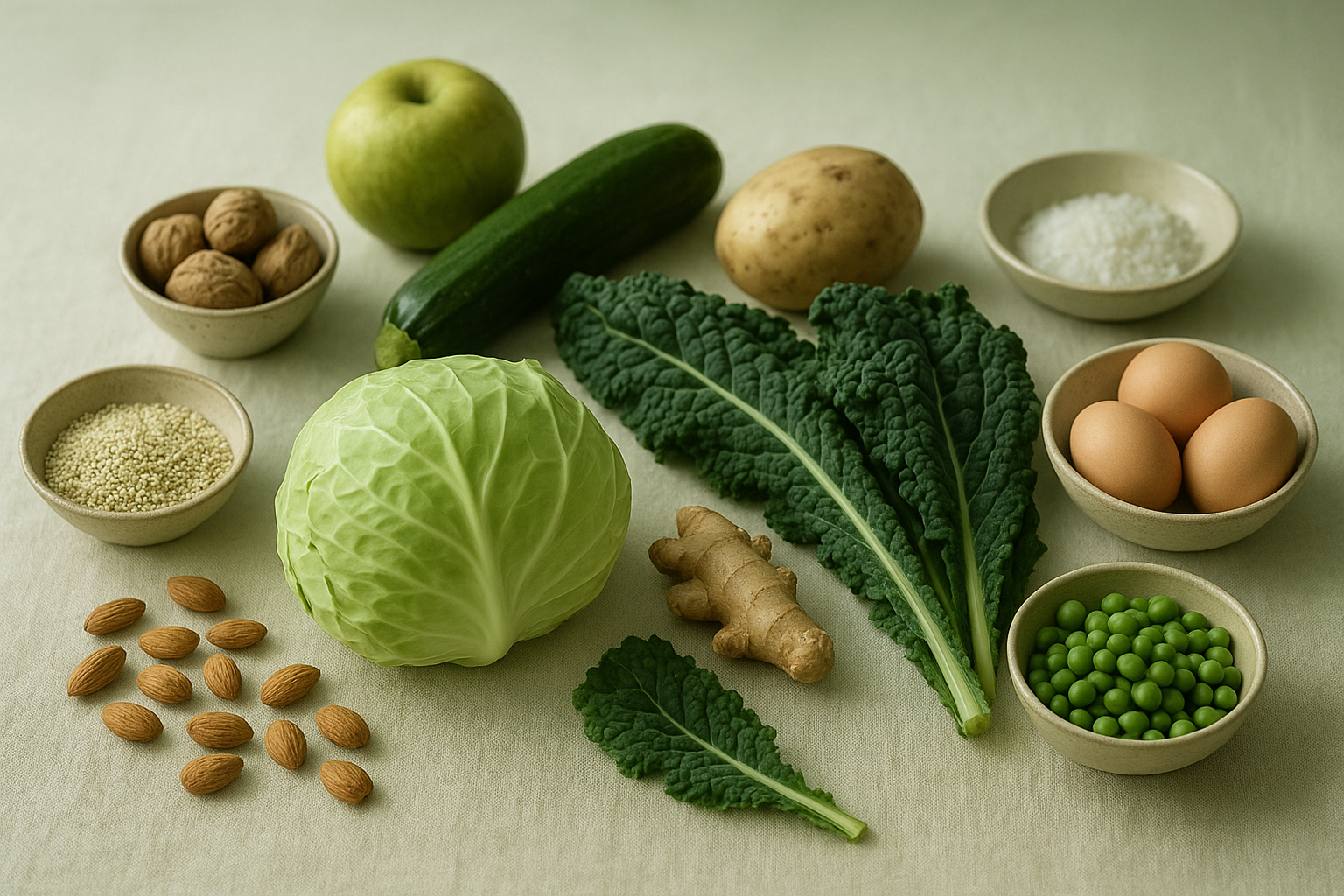
Quick answer: The best whole foods for breakfast typically include a balance of fiber-rich carbohydrates like whole grains and fruits, lean protein sources such as eggs or Greek yogurt, and healthy fats from avocados or nuts. This combination helps provide sustained energy, support satiety, and deliver essential nutrients, contributing to a healthy start to your day.
Quick facts
- Prioritize whole grains, fruits, lean proteins, and healthy fats for breakfast.
- Fiber from whole foods supports digestion and sustained energy release.
- Protein helps with satiety and muscle maintenance.
- Healthy fats contribute to hormone production and nutrient absorption.
- A balanced breakfast can help stabilize blood sugar levels.
- Variety is key to ensuring a broad spectrum of nutrients.
Starting your day with a nourishing breakfast made from whole foods sets a positive tone for your nutrition. Whole foods are minimally processed and retain their natural nutrients, fiber, and beneficial compounds, offering more nutritional value than refined options.
What Makes a Breakfast 'Whole Food' Based?
A whole-food breakfast primarily consists of ingredients that are unprocessed or minimally processed. This means choosing options like fresh fruits, vegetables, whole grains, nuts, seeds, and lean proteins, rather than sugary cereals, pastries, or processed meats. The focus is on foods in their most natural state, providing maximum nutritional benefit without added sugars, unhealthy fats, or artificial ingredients.
Why is a Whole-Food Breakfast Important?
A breakfast centered on whole foods provides a steady release of energy, helps manage blood sugar levels, and promotes satiety. Unlike highly processed breakfasts that can lead to energy crashes due to rapid sugar spikes, whole foods, especially those rich in fiber and protein, contribute to sustained energy throughout the morning. This approach may also support a healthy inflammatory response, as diets rich in whole foods, like a Mediterranean-style diet, are often associated with anti-inflammatory effects Source.
What Whole Grains Are Good for Breakfast?
Whole grains are an excellent foundation for a whole-food breakfast due to their fiber content and complex carbohydrates. They provide sustained energy and support digestive health. Good options include:
- Oats: Rolled or steel-cut oats are versatile and can be prepared as oatmeal or overnight oats. They are rich in soluble fiber, which can help lower cholesterol.
- Whole-wheat bread/toast: Choose 100% whole-wheat varieties. Pair with avocado, eggs, or nut butter for a balanced meal.
- Quinoa: While often considered a grain, quinoa is actually a seed and a complete protein. It can be cooked like oatmeal or added to savory breakfast bowls.
What Lean Proteins Should I Include?
Protein at breakfast is crucial for satiety, muscle maintenance, and steady blood sugar. Aim for at least 15-20 grams of protein in your morning meal. Consider these whole-food sources:
- Eggs: A classic breakfast staple, eggs are a complete protein source and can be prepared in various ways: scrambled, boiled, poached, or as an omelet with vegetables.
- Greek yogurt: Unsweetened Greek yogurt offers a significant protein boost. Combine with berries, nuts, and a drizzle of honey for a delicious and nutritious meal.
- Cottage cheese: Another excellent source of protein, cottage cheese can be enjoyed with fruit or on whole-grain toast.
- Legumes: While less common for breakfast, ingredients like black beans can be incorporated into savory breakfast burritos or bowls for a plant-based protein and fiber source.
How Can Fruits and Vegetables Enhance My Breakfast?
Fruits and vegetables add essential vitamins, minerals, antioxidants, and fiber to your breakfast. They contribute natural sweetness and vibrant colors without the need for added sugars. Aim for a variety to maximize nutrient intake:
- Berries: Blueberries, raspberries, and strawberries are packed with antioxidants and fiber. Add them to oats, yogurt, or smoothies.
- Bananas: A good source of potassium and quick energy, perfect for smoothies or sliced over whole-grain toast.
- Avocado: While a fruit, avocado provides healthy monounsaturated fats and fiber, making it excellent on whole-grain toast or in smoothies.
- Spinach or kale: Incorporate leafy greens into omelets, scrambled eggs, or smoothies for an easy vegetable boost.
What About Healthy Fats?
Healthy fats are important for satiety, hormone production, and the absorption of fat-soluble vitamins. Whole-food sources of healthy fats for breakfast include:
- Nuts and seeds: Almonds, walnuts, chia seeds, flax seeds, and pumpkin seeds are rich in omega-3s, fiber, and protein. Sprinkle them on yogurt, oats, or blend into smoothies.
- Nut butter: Choose natural peanut butter, almond butter, or cashew butter without added sugars or hydrogenated oils. Spread on whole-grain toast or apple slices.
- Avocado: As mentioned, avocado is a powerhouse of healthy fats, fiber, and various vitamins and minerals.
Worked Example: Building a Balanced Whole-Food Breakfast
Let's put these components together for a practical example:
Option 1: Classic Oatmeal with a Twist
- Whole Grain: 1/2 cup steel-cut oats, cooked with water or unsweetened milk.
- Protein: Stir in 1 scoop of unflavored protein powder or add 1/4 cup chopped walnuts.
- Fruit: Top with 1/2 cup mixed berries (fresh or frozen).
- Healthy Fat: 1 tablespoon chia seeds or 1/4 cup sliced almonds.
This breakfast provides a robust combination of complex carbohydrates, fiber, protein, and healthy fats to keep you full and energized.
Option 2: Savory Power Toast
- Whole Grain: 2 slices of 100% whole-wheat toast.
- Protein: 2 scrambled eggs or 1/2 cup cottage cheese.
- Vegetables/Healthy Fat: 1/2 mashed avocado spread on toast, topped with a sprinkle of everything bagel seasoning.
- Optional: Add a handful of spinach to the eggs or as a side.
This example showcases how a savory breakfast can be packed with whole-food goodness, offering variety and essential nutrients.
Remember, personal preferences and dietary needs vary. Consult with a qualified nutritionist or dietitian to tailor these suggestions to your specific health goals.
Key takeaways
- 01A balanced whole-food breakfast includes whole grains, lean proteins, fruits, vegetables, and healthy fats.
- 02Examples include oatmeal with berries and nuts, eggs with whole-grain toast and avocado, or Greek yogurt with fruit and seeds.
- 03Prioritize unprocessed ingredients to maximize nutrient intake and avoid added sugars and unhealthy fats.
- 04This approach supports sustained energy, satiety, and overall well-being throughout your morning.
- 05Consider variety in your breakfast choices to ensure a broad spectrum of vitamins and minerals.
Frequently asked
What is considered a 'whole food'?+
A whole food is an ingredient that is unprocessed or minimally processed, meaning it retains its natural state, nutrients, and fiber without added sugars, artificial ingredients, or excessive refining.
Are smoothies good for a whole-food breakfast?+
Yes, smoothies can be excellent if made with whole-food ingredients like fresh fruits, leafy greens, unsweetened yogurt or milk, nuts, and seeds. Avoid added sugars, artificial sweeteners, and highly processed protein powders.
How much protein should I aim for at breakfast?+
While individual needs vary, aiming for at least 15-20 grams of lean protein at breakfast is a good general guideline to promote satiety and muscle maintenance.
Can I have coffee with a whole-food breakfast?+
Yes, plain coffee or tea can be part of a whole-food breakfast. To maintain the whole-food principle, opt for black coffee or tea, or add a splash of unsweetened milk instead of sugary creamers.
What should I avoid for a whole-food breakfast?+
Avoid processed items like sugary cereals, pastries, muffins, breakfast bars high in added sugar, processed breakfast meats, and fruit juices with added sugars. Focus on natural, unprocessed ingredients.
Sources
Every lesson is drafted from primary sources - official announcements, vendor blogs, and reputable industry reporting - then edited by our pipeline.
More on Whole Foods
See all →Jan 1, 1970
Whole Food Meal Prep for Beginners: Your Essential Guide
This lesson guides beginners through whole food meal preparation, offering practical steps to save time and promote a nutrient-rich eating pattern.
Jan 1, 1970
Are Potatoes a Healthy Whole Food? A Nutrition Guide
This lesson explores the nutritional profile of potatoes, clarifying if they qualify as a healthy whole food and how their preparation impacts their health benefits.
Jan 1, 1970
Are Canned Beans a Whole Food?
This lesson explains how canned beans fit into whole food definitions, distinguishing them from ultraprocessed foods often high in added sugars, saturated fat, or sodium.
Jan 1, 1970
What's the Difference Between Processed and Ultra-Processed Foods?
This lesson explains the distinctions between processed and ultra-processed foods, focusing on their processing level, ingredients, and potential nutritional impacts to help you make informed dietary choices.
Free account
Want to go deeper?
Sign up free to unlock the full daily industry feed, save posts and articles to your library, and chat with the coach about anything you read.