
When is the Best Time to Eat Carbs for Sustained Energy?
This lesson explains how optimizing carbohydrate timing, especially in the morning and around physical activity, can support sustained energy levels and metabolic health.
Written by the Nutrition Tutor Academy teaching team from 1 primary source. How we source →
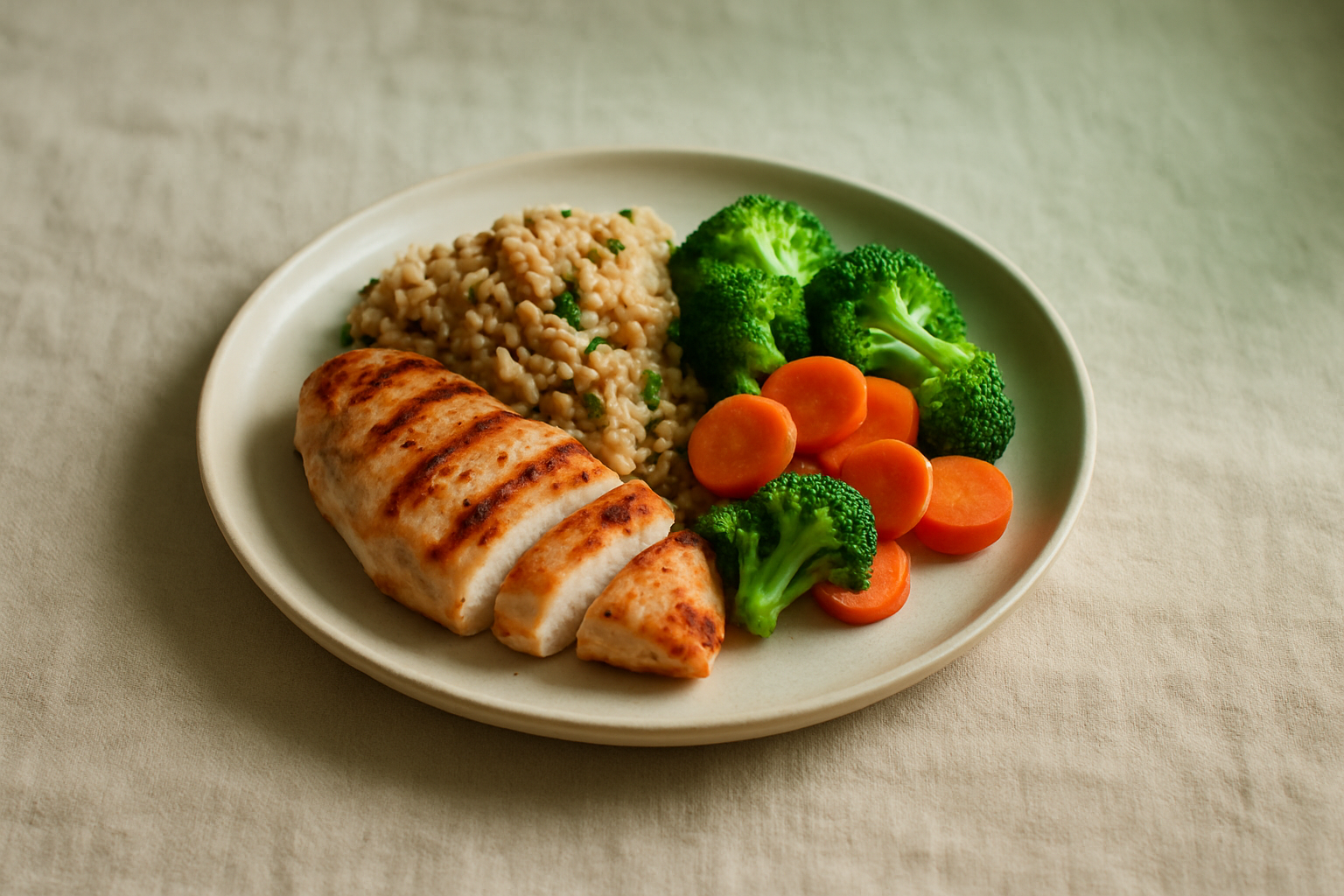
Quick answer: Optimizing carbohydrate intake for sustained energy often involves consuming complex carbohydrates earlier in the day and around physical activity. Shifting a larger portion of daily energy intake to the morning can improve metabolic health and support better energy regulation throughout the day, aligning with natural circadian rhythms.
Quick facts
- Carbohydrate timing can influence energy levels and metabolic health.
- Eating more energy earlier in the day is associated with better metabolic outcomes.
- Irregular meal patterns, skipping breakfast, and night-time eating may negatively impact metabolic health.
- The liver's circadian clock is sensitive to feeding patterns, influencing metabolism.
- Time-restricted eating (TRE) can synchronize circadian rhythms, potentially improving energy and metabolic health.
Optimizing the timing of your carbohydrate intake can be a valuable strategy for managing energy levels throughout the day. While the total amount and type of carbohydrates are important, when you eat them also plays a role in how your body utilizes them for fuel and maintains metabolic balance.
Do Circadian Rhythms Affect How We Use Carbs?
Yes, your body's internal biological clocks, known as circadian rhythms, significantly influence metabolism, including how carbohydrates are processed. The liver, in particular, has a circadian clock that is highly sensitive to feeding patterns. Eating during your body's natural resting phase can disrupt these rhythms, potentially leading to metabolic dysfunction Source. Aligning your eating patterns with these rhythms may support more efficient carbohydrate metabolism.
Is it Better to Eat Carbs Earlier in the Day?
Research suggests that shifting a greater proportion of your total daily energy intake to earlier in the day may support metabolic health. Observational data indicates that irregular meal patterns, skipping breakfast, and night-time eating are associated with an increased risk of metabolic conditions. Conversely, consuming more energy earlier in the day, especially from carbohydrates, can promote better metabolic function and help synchronize your body's internal clocks Source.
For example, starting your day with a balanced breakfast containing complex carbohydrates (like oatmeal or whole-grain toast) can provide a steady release of glucose, fueling your morning activities without a sudden energy crash. This approach works with your body's natural tendency to be more metabolically active earlier in the day.
How Do Meal Patterns Impact Energy and Metabolism?
Irregular and erratic meal patterns have been linked to potential negative impacts on metabolic health. For instance, consuming food outside of regular breakfast, lunch, and dinner times, or having too many eating events per day, has been associated with higher body mass index (BMI), central adiposity, and insulin resistance. Regular, structured meal times may help maintain stable blood sugar levels and consistent energy Source.
Consider an individual who skips breakfast, then grazes on snacks throughout the morning, has a late lunch, and eats a large dinner followed by evening snacks. This irregular pattern can lead to fluctuating energy levels and may stress the metabolic system more than consistent, well-timed meals.
Does Eating Carbs at Night Affect Energy Storage?
Night-time eating, particularly consuming substantial meals close to bedtime, has been associated with increased risks of obesity and insulin resistance. During the night, your body is naturally preparing for rest and its metabolic rate slows. Consuming a large amount of carbohydrates during this period may lead to less efficient processing and storage, potentially contributing to metabolic imbalances rather than usable energy Source. Focusing carbohydrate intake earlier in the day supports the body's natural metabolic rhythm.
Can Time-Restricted Eating Help with Carb Timing?
Time-restricted eating (TRE), a form of intermittent fasting, involves consuming all daily food within a specific window, typically 8-12 hours. This strategy can help standardize meal patterns and naturally shift energy intake earlier in the day. TRE has been shown to potentially improve metabolic health by synchronizing circadian rhythms, which can positively impact how your body handles carbohydrates and manages energy Source. By narrowing the eating window, individuals often consume their last meal earlier, reducing night-time eating.
For example, if you adopt a 10-hour eating window from 8 AM to 6 PM, your breakfast and lunch would provide the bulk of your energy, and your last meal would be well before typical bedtime, allowing your body to process food before its resting phase. This helps support consistent energy throughout the active part of the day and optimizes overnight metabolic processes.
Key takeaways
- 01Prioritize carbohydrate intake, especially complex carbs, earlier in the day to align with your body's natural metabolic rhythms for sustained energy.
- 02Maintain regular meal patterns and avoid skipping breakfast to support stable blood sugar and consistent energy levels.
- 03Limit significant carbohydrate intake late at night to optimize metabolic processing and reduce potential for metabolic imbalance.
- 04Consider time-restricted eating to consolidate your eating window, which may enhance metabolic health and energy regulation.
- 05Always choose nutrient-dense, complex carbohydrates like whole grains, fruits, and vegetables over refined sugars for sustained energy.
Frequently asked
Should I eat carbs before or after a workout for energy?+
Consuming complex carbohydrates 1-3 hours before a workout provides sustained energy, while simple carbohydrates right before or during an intense workout can offer quick fuel. Post-workout, carbohydrates help replenish muscle glycogen stores, aiding recovery.
What kind of carbs are best for sustained energy?+
Complex carbohydrates like whole grains (oats, brown rice, whole-wheat bread), legumes, fruits, and vegetables are best for sustained energy. They are digested slowly, providing a gradual release of glucose into the bloodstream.
Can eating carbs at night make me gain weight?+
While total calorie intake and activity level are primary factors in weight management, consistently eating large quantities of carbohydrates, especially refined ones, late at night may be associated with less optimal metabolic responses and could contribute to weight gain in some individuals.
How does carbohydrate timing affect blood sugar?+
Strategic carbohydrate timing, particularly favoring earlier intake and regular meals with complex carbs, can support more stable blood sugar levels. Irregular patterns or late-night large meals may lead to greater fluctuations in blood sugar.
Is it okay to skip breakfast if I want to save carbs for later?+
Skipping breakfast has been associated with less optimal metabolic health and irregular eating patterns. While individual dietary strategies vary, distributing energy intake throughout the day, starting with breakfast, is often recommended for metabolic balance and sustained energy.
Does carb timing matter if my total daily carb intake is the same?+
Research suggests that even with the same total daily carbohydrate intake, the timing of consumption can influence metabolic responses. Shifting more energy intake to earlier in the day is associated with better metabolic outcomes compared to later intake.
Sources
Every lesson is drafted from primary sources - official announcements, vendor blogs, and reputable industry reporting - then edited by our pipeline.
More on Macros & Energy
See all →Jan 1, 1970
Carb Cycling Explained: A Guide to Strategic Carbohydrate Intake
This lesson explains carb cycling, a dietary strategy that varies carbohydrate intake daily or weekly to support fitness and health goals, differentiating between high-carb and low-carb days.
Jan 1, 1970
High-Protein Foods for Weight Loss: Your Essential Guide
Discover how incorporating high-protein foods can support weight loss by enhancing satiety, preserving muscle, and boosting metabolism.
Jan 1, 1970
How Many Grams of Protein Are in an Egg?
This lesson details the typical protein content of an egg, factors influencing it, and how to incorporate eggs into a protein-rich diet.
Jan 1, 1970
Best Sources of Healthy Fats for a Heart-Healthy Diet
This lesson details the best sources of healthy fats, focusing on plant-based options like olive oil, seed oils, nuts, and avocados, which may support heart health and maintain healthy cholesterol levels.
Free account
Want to go deeper?
Sign up free to unlock the full daily industry feed, save posts and articles to your library, and chat with the coach about anything you read.