
Why Am I Always Hungry on a Low-Carb Diet?
This lesson explains why persistent hunger might occur on a low-carb diet, focusing on nutrient deficiencies, inadequate calorie intake, and hormonal responses to restrictive eating patterns.
Written by the Nutrition Tutor Academy teaching team from 1 primary source. How we source →
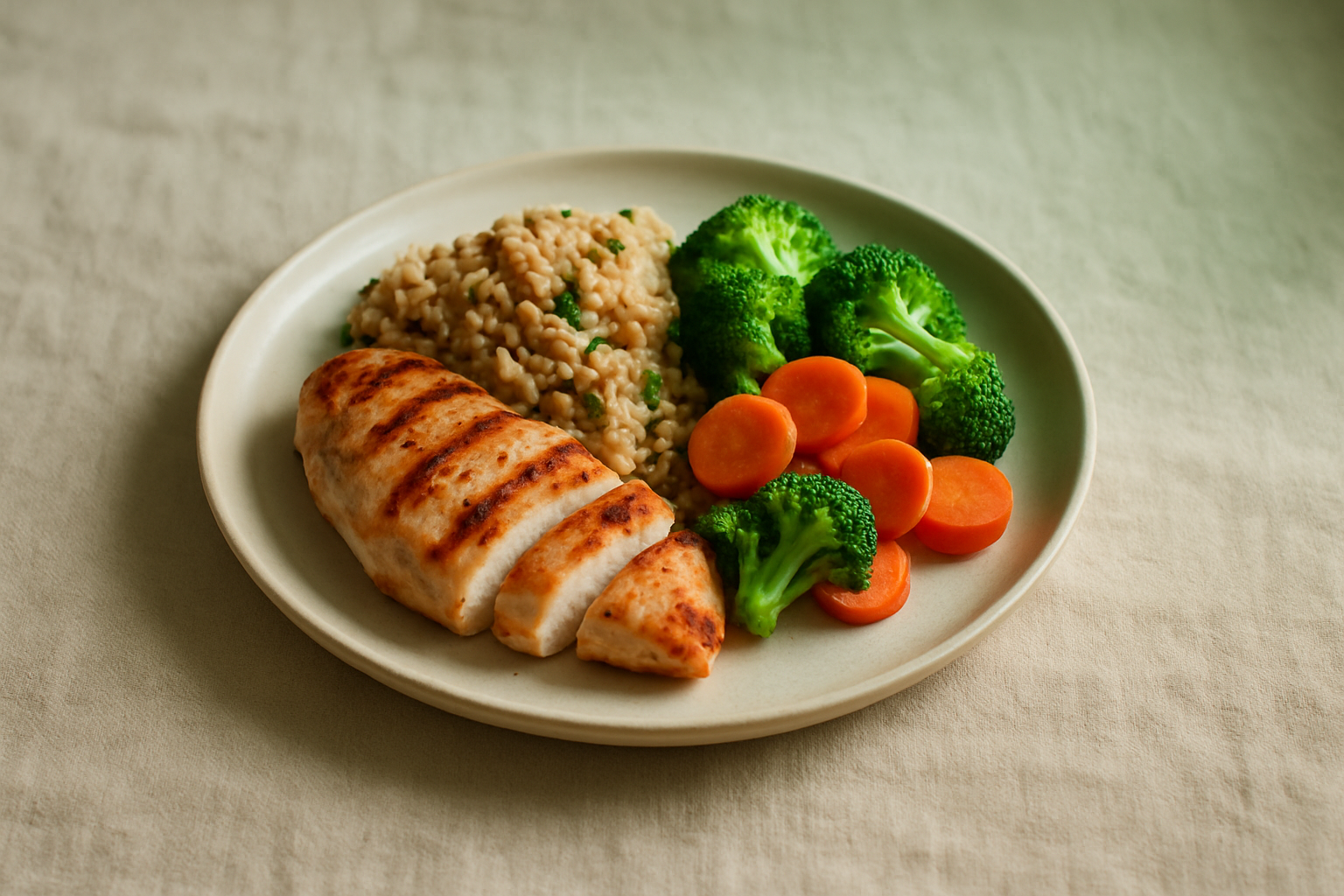
Quick answer: Persistent hunger on a low-carb diet often stems from insufficient calorie intake, particularly from protein and healthy fats, which are crucial for satiety. It can also be influenced by an imbalance in micronutrients or electrolytes, and the body's adaptation phase as it shifts from burning carbohydrates to fat for energy, leading to temporary hunger signals.
Quick facts
- Inadequate protein or fat intake can lead to increased hunger on a low-carb diet.
- Electrolyte imbalances may cause symptoms mistaken for hunger, like fatigue or cravings.
- The body's adaptation to ketosis can temporarily increase hunger or cravings.
- A diet lacking variety or sufficient micronutrients may trigger hunger.
- Low-carb diets require careful planning to ensure adequate energy and nutrient density.
- Individual responses to low-carb diets vary significantly.
Embarking on a low-carb diet often involves significant changes in eating habits, which can sometimes lead to unexpected challenges like persistent hunger. This can be frustrating, especially when aiming for weight management or improved health. Understanding the underlying reasons can help adjust your approach for better results and comfort.
Is Your Calorie Intake Too Low?
One common reason for feeling constantly hungry on a low-carb diet is simply not consuming enough calories overall. While a low-carb diet might naturally reduce appetite for some, drastic calorie restriction can lead to increased hunger signals from the body. For example, a person accustomed to 2,000 calories daily who suddenly drops to 1,200 calories on a low-carb plan may experience significant hunger, regardless of carbohydrate intake.
Are You Eating Enough Protein and Healthy Fats?
Protein and fats are crucial for satiety. Protein is known to be the most satiating macronutrient, helping to reduce hunger and keep you feeling full for longer. Healthy fats also contribute significantly to satiety and are a primary energy source on a low-carb diet. If your low-carb diet is not providing sufficient amounts of these macronutrients, hunger can quickly return. For instance, if a meal consists primarily of lean chicken breast with minimal fat and few non-starchy vegetables, it might not be as filling as a meal with salmon and avocado, which are richer in healthy fats.
Could It Be an Electrolyte Imbalance?
When you significantly reduce carbohydrate intake, your body excretes more water and electrolytes, particularly sodium, potassium, and magnesium. An imbalance in these vital minerals can lead to symptoms like fatigue, headaches, muscle cramps, and even cravings, which might be mistaken for hunger. Ensuring adequate electrolyte intake, often through bone broth, leafy greens, or supplemental electrolytes, can help alleviate these issues.
Is Your Body Adapting to Ketosis?
When transitioning to a low-carb diet, especially one that leads to ketosis, your body shifts from using glucose (from carbohydrates) to fat for its primary energy source. This adaptation period can sometimes trigger temporary hunger signals as your body adjusts to the new fuel source. This phase, sometimes called the "keto flu," can last a few days to a few weeks. For example, if you typically consume over 200 grams of carbohydrates daily and suddenly cut down to 20 grams, your body will need time to upregulate fat-burning pathways, which can manifest as increased hunger or cravings initially.
Is Your Diet Lacking Nutrient Density or Variety?
A low-carb diet that lacks a variety of nutrient-dense foods can lead to micronutrient deficiencies. While not direct hunger, these deficiencies can cause the body to seek out more food in an attempt to obtain missing nutrients, leading to increased cravings and a feeling of unsatisfied hunger. Incorporating a wide array of non-starchy vegetables, healthy proteins, and fats helps ensure a broad spectrum of vitamins and minerals. As outlined in research on nutrition transitions, shifts in dietary patterns can affect the supply of energy, protein, and fat at a population level, highlighting the importance of a balanced intake even within specific dietary frameworks Source.
Are You Staying Hydrated?
Dehydration can often be mistaken for hunger. The brain's signals for thirst and hunger can be very similar, and sometimes reaching for a glass of water can alleviate perceived hunger pangs. On a low-carb diet, especially when carbohydrate intake is very low, the body may hold less water, making consistent hydration even more important.
Key takeaways
- 01Ensure adequate calorie intake to avoid excessive hunger on a low-carb diet.
- 02Prioritize protein and healthy fats in meals for sustained satiety and energy.
- 03Monitor and replenish electrolytes to prevent symptoms that mimic hunger.
- 04Recognize that temporary hunger may occur during the body's adaptation to fat-burning.
- 05Focus on nutrient-dense, varied foods to meet micronutrient needs and reduce cravings.
Frequently asked
How much protein should I eat on a low-carb diet to feel full?+
A general guideline is to aim for at least 0.6 to 0.8 grams of protein per pound of your ideal body weight per day, distributed across your meals. For a 150-pound individual, this would be 90-120 grams of protein daily.
What are good sources of healthy fats for satiety on a low-carb diet?+
Excellent sources include avocados, nuts, seeds, olive oil, coconut oil, fatty fish (like salmon and mackerel), and full-fat dairy products if tolerated.
How can I tell if my hunger is due to an electrolyte imbalance?+
Symptoms of electrolyte imbalance often include headaches, fatigue, muscle cramps, dizziness, or unusual cravings. If you experience these, try increasing your intake of sodium, potassium, and magnesium through diet or supplements, and consult with a healthcare professional.
Is it normal to be hungry during the initial phase of a low-carb diet?+
Yes, it is common to experience increased hunger, cravings, or other discomforts during the initial adaptation period as your body adjusts to using fat for fuel instead of carbohydrates.
What kind of non-starchy vegetables can help with satiety on a low-carb diet?+
Leafy greens like spinach and kale, broccoli, cauliflower, bell peppers, zucchini, and asparagus are great options. They are high in fiber and micronutrients, contributing to fullness without many carbs.
Can stress cause increased hunger on a low-carb diet?+
Yes, stress can influence hormones like cortisol, which can increase appetite and cravings, regardless of dietary approach. Managing stress is an important component of successful dietary adherence.
Sources
Every lesson is drafted from primary sources - official announcements, vendor blogs, and reputable industry reporting - then edited by our pipeline.
More on Macros & Energy
See all →Jan 1, 1970
Carb Cycling Explained: A Guide to Strategic Carbohydrate Intake
This lesson explains carb cycling, a dietary strategy that varies carbohydrate intake daily or weekly to support fitness and health goals, differentiating between high-carb and low-carb days.
Jan 1, 1970
High-Protein Foods for Weight Loss: Your Essential Guide
Discover how incorporating high-protein foods can support weight loss by enhancing satiety, preserving muscle, and boosting metabolism.
Jan 1, 1970
How Many Grams of Protein Are in an Egg?
This lesson details the typical protein content of an egg, factors influencing it, and how to incorporate eggs into a protein-rich diet.
Jan 1, 1970
Best Sources of Healthy Fats for a Heart-Healthy Diet
This lesson details the best sources of healthy fats, focusing on plant-based options like olive oil, seed oils, nuts, and avocados, which may support heart health and maintain healthy cholesterol levels.
Free account
Want to go deeper?
Sign up free to unlock the full daily industry feed, save posts and articles to your library, and chat with the coach about anything you read.