
Do Carbohydrates Make You Gain Weight?
This lesson explains that weight gain is primarily linked to an energy surplus, not solely carbohydrate intake, and highlights the importance of overall dietary balance.
Written by the Nutrition Tutor Academy teaching team from 1 primary source. How we source →
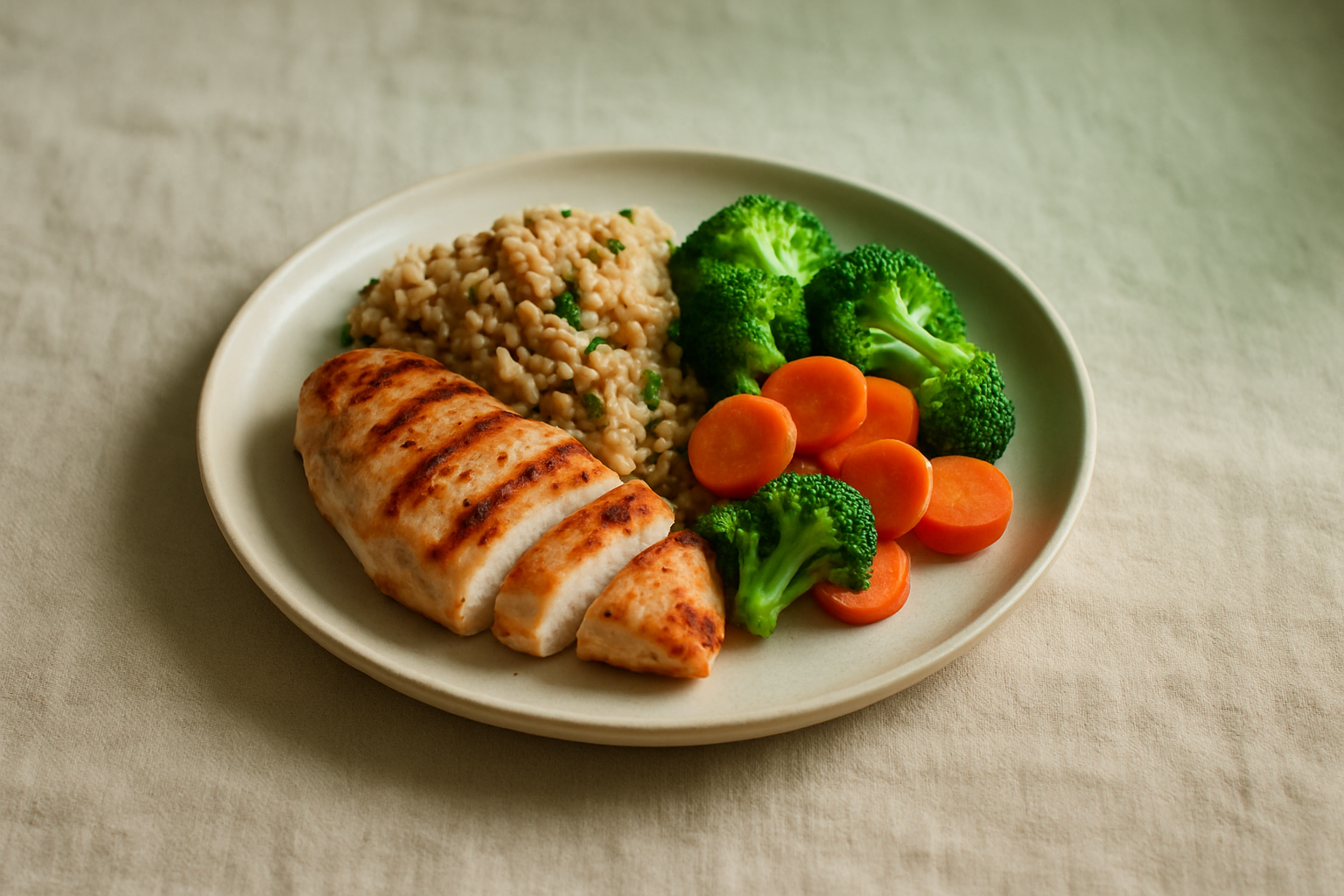
Quick answer: No, carbohydrates themselves do not inherently cause weight gain. Weight gain primarily occurs when calorie intake consistently exceeds calorie expenditure, regardless of the specific macronutrient source. While excessive consumption of any macronutrient can contribute to a calorie surplus, carbohydrates, particularly complex ones, are a vital energy source for the body.
Quick facts
- Weight gain is caused by a sustained calorie surplus.
- All macronutrients (carbs, fats, proteins) contain calories.
- Carbohydrates are the body's primary energy source.
- The type of carbohydrate (complex vs. simple) matters for satiety and nutrition.
- Balanced nutrition and energy balance are key for weight management.
Many people wonder if cutting carbohydrates is the key to weight loss, often fearing that carbs directly lead to weight gain. However, the science of weight management is more nuanced than simply blaming one macronutrient.
What Causes Weight Gain?
Weight gain fundamentally boils down to a concept called energy balance. If you consistently consume more calories (energy) than your body expends through daily activities and metabolic processes, your body stores that excess energy, often as fat. This surplus can come from any macronutrient—carbohydrates, fats, or proteins. For example, a single gram of carbohydrate provides approximately 4 calories, while a gram of fat provides about 9 calories, and a gram of protein also provides 4 calories. Thus, any food, if consumed in excess, can contribute to weight gain.
Are All Carbohydrates the Same?
No, carbohydrates vary significantly in their nutritional profile and impact on the body. Complex carbohydrates, found in foods like whole grains, vegetables, and legumes, are rich in fiber, vitamins, and minerals. They are digested slowly, providing a sustained release of energy and promoting satiety, which can help prevent overeating. Simple carbohydrates, such as those in sugary drinks, candies, and refined grains, are digested quickly, leading to rapid blood sugar spikes and often less satiety. Consuming large amounts of refined, simple carbohydrates can make it easier to accumulate excess calories because they often lack fiber and other nutrients that promote fullness. The type of carbohydrate consumed plays a role in metabolic health, as explained by institutions like JIFSAN, which investigate the links between food and health Source.
How Do Carbohydrates Affect Satiety and Energy?
Fiber-rich complex carbohydrates contribute significantly to satiety, the feeling of fullness. When you eat foods high in fiber, they take longer to digest, which can help regulate appetite and reduce overall calorie intake. For example, a bowl of oatmeal (a complex carb) typically leaves you feeling fuller for longer than a sugary cereal (mostly simple carbs), even if both contain similar calorie counts. This sustained energy and feeling of fullness can actually support weight management by reducing the likelihood of snacking or overeating later.
Can I Eat Carbs and Still Manage My Weight?
Absolutely. Incorporating carbohydrates, especially nutrient-dense complex carbohydrates, into a balanced diet is crucial for overall health and can support weight management. The key is moderation and making smart choices. Focus on whole, unprocessed carbohydrate sources, pair them with protein and healthy fats to slow digestion and increase satiety, and pay attention to portion sizes. For instance, instead of eliminating bread entirely, opt for whole-grain bread and combine it with lean protein and avocado. This approach supports stable blood sugar and provides essential nutrients without leading to excess calorie intake.
Worked Example: Calorie Impact of Different Carb Choices
Consider two breakfast scenarios, each providing roughly 300 calories, primarily from carbohydrates:
-
Scenario 1: Sugary Cereal
- 1 cup of sugary cereal (approx. 150 calories) + 1/2 cup whole milk (approx. 70 calories) + 1 banana (approx. 80 calories) = 300 calories
- This meal, while providing energy, might not keep you full for long due to its higher simple sugar content and lower fiber.
-
Scenario 2: Oatmeal with Berries
- 1/2 cup dry rolled oats, cooked (approx. 150 calories) + 1/2 cup mixed berries (approx. 40 calories) + 1 tablespoon chopped walnuts (approx. 50 calories) + a splash of milk (approx. 60 calories) = 300 calories
- This meal provides the same calorie count but is rich in fiber and nutrients, promoting longer-lasting fullness and sustained energy. The walnuts also add healthy fats and protein, further enhancing satiety.
Both scenarios contain carbohydrates and have the same caloric value, but the second choice is more supportive of weight management due to its nutritional density and impact on satiety. It's the total calorie intake and the quality of the carbohydrates, not just their presence, that influences weight.
Key takeaways
- 01Weight gain results from an energy surplus, not carbohydrates specifically.
- 02Focus on total calorie intake and the quality of your food choices.
- 03Prioritize complex carbohydrates (whole grains, vegetables, legumes) for fiber and nutrients.
- 04Simple, refined carbohydrates can contribute to excess calorie intake due to lower satiety.
- 05A balanced diet including healthy carbohydrates, protein, and fats supports weight management.
Frequently asked
What is a calorie surplus?+
A calorie surplus occurs when you consume more calories (energy) from food and beverages than your body uses for its metabolic functions and physical activities. This excess energy is then typically stored by the body, often as fat.
Are low-carb diets better for weight loss?+
Low-carb diets can lead to weight loss, especially initially, often due to water loss. However, their effectiveness for long-term weight management compared to other balanced, calorie-controlled diets is debated, and the best approach varies by individual. Weight loss ultimately depends on creating a calorie deficit.
What are 'good' carbohydrates?+
'Good' carbohydrates are typically whole, unprocessed sources rich in fiber, vitamins, and minerals. Examples include whole grains (oats, quinoa, brown rice), fruits, vegetables, and legumes (beans, lentils).
How much carbohydrate should I eat daily?+
The appropriate carbohydrate intake varies based on individual energy needs, activity level, and health goals. General dietary guidelines often suggest carbohydrates make up 45-65% of total daily calorie intake, but consulting a qualified nutrition professional can provide personalized recommendations.
Do carbs cause belly fat?+
No specific macronutrient directly causes belly fat. Excess calorie intake from any source, including carbohydrates, protein, or fat, can lead to increased body fat storage, including around the abdomen. A diet high in refined sugars and low in fiber is often associated with higher visceral fat.
Is fruit considered a 'bad' carbohydrate?+
No, fruit is a healthy source of carbohydrates. While it contains natural sugars, it also provides essential vitamins, minerals, and fiber. The fiber in fruit helps slow sugar absorption, making it a nutritious choice as part of a balanced diet.
Sources
Every lesson is drafted from primary sources - official announcements, vendor blogs, and reputable industry reporting - then edited by our pipeline.
More on Macros & Energy
See all →Jan 1, 1970
Carb Cycling Explained: A Guide to Strategic Carbohydrate Intake
This lesson explains carb cycling, a dietary strategy that varies carbohydrate intake daily or weekly to support fitness and health goals, differentiating between high-carb and low-carb days.
Jan 1, 1970
High-Protein Foods for Weight Loss: Your Essential Guide
Discover how incorporating high-protein foods can support weight loss by enhancing satiety, preserving muscle, and boosting metabolism.
Jan 1, 1970
How Many Grams of Protein Are in an Egg?
This lesson details the typical protein content of an egg, factors influencing it, and how to incorporate eggs into a protein-rich diet.
Jan 1, 1970
Best Sources of Healthy Fats for a Heart-Healthy Diet
This lesson details the best sources of healthy fats, focusing on plant-based options like olive oil, seed oils, nuts, and avocados, which may support heart health and maintain healthy cholesterol levels.
Free account
Want to go deeper?
Sign up free to unlock the full daily industry feed, save posts and articles to your library, and chat with the coach about anything you read.