
How to Build a Whole Food Pantry for a Healthier Diet
Learn to stock your pantry with a variety of whole and minimally processed foods, focusing on categories like grains, fruits, vegetables, lean proteins, and healthy fats, to support a balanced and nutritious diet.
Written by the Nutrition Tutor Academy teaching team from 1 primary source. How we source →
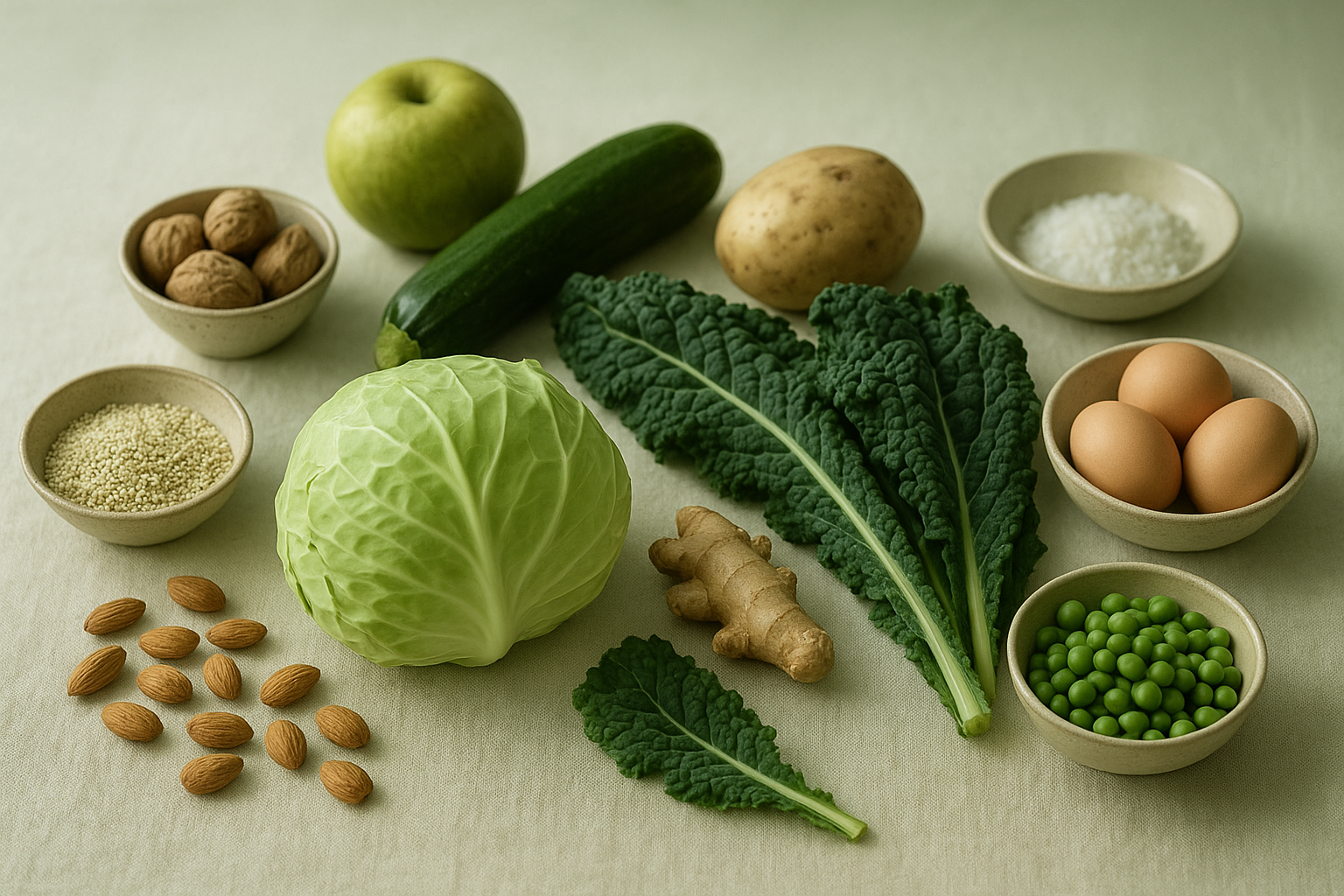
Quick answer: Building a whole food pantry involves prioritizing minimally processed items such as whole grains, fresh or frozen fruits and vegetables, lean proteins, nuts, seeds, and healthy oils. This approach supports a balanced dietary pattern by making nutrient-dense foods readily available for meal preparation, helping to reduce reliance on foods high in sodium, added sugars, and saturated fats.
Quick facts
- Prioritize whole grains like oats, quinoa, and brown rice for fiber and nutrients.
- Stock up on fresh, frozen, and canned fruits and vegetables (low-sodium/no added sugar).
- Include lean proteins such as beans, lentils, nuts, seeds, and canned fish.
- Choose healthy fats like olive oil and avocados, and limit saturated fats.
- Minimize processed foods, focusing instead on items rich in potassium, calcium, and magnesium.
- Reading food labels helps identify low-sodium and no-added-sugar options.
Creating a pantry stocked with whole foods can be a foundational step toward a healthier eating pattern. This means choosing items that are as close to their natural state as possible, with minimal processing or added ingredients.
What are Whole Foods and Why Prioritize Them?
Whole foods are generally unprocessed or minimally processed foods that retain their natural nutritional value. They include fruits, vegetables, whole grains, nuts, seeds, legumes, lean proteins, and healthy fats. Prioritizing these foods in your pantry can help ensure you have a steady supply of items rich in beneficial minerals like potassium, calcium, and magnesium, as well as fiber and protein, while limiting intake of salt, added sugars, and saturated fats. For example, the DASH diet emphasizes vegetables, fruits, whole grains, lean proteins, and low-fat dairy to support overall health Source.
Which Grains Should Be in a Whole Food Pantry?
For a whole food pantry, focus on whole grains over refined grains. This includes items like rolled oats, brown rice, quinoa, whole wheat pasta, whole barley, and whole cornmeal. These grains provide fiber, which supports digestive health, and essential nutrients. One serving might be 1/2 cup of cooked cereal, rice, or pasta, or 1 slice of whole-grain bread.
How Can I Stock Up on Fruits and Vegetables?
Include a variety of fruits and vegetables in fresh, frozen, and canned forms. Frozen fruits and vegetables are an excellent option as they retain much of their nutrient content and have a long shelf life. For canned options, select those labeled "no salt added" or "low sodium" for vegetables, and "in water" or "no added sugar" for fruits. These options make it easier to meet recommended daily servings, such as 4 to 5 servings of vegetables and fruits per day Source.
What Lean Proteins and Healthy Fats are Best for the Pantry?
Stock your pantry with non-perishable lean protein sources like dried or canned beans (e.g., black beans, chickpeas, lentils), nuts (almonds, walnuts), and seeds (chia, flax, pumpkin). Canned fish, such as tuna or salmon packed in water, is another convenient protein source. For healthy fats, include olive oil, avocado oil, and small amounts of nuts and seeds. These sources provide beneficial fatty acids and protein, contributing to satiety and muscle maintenance.
How Do I Read Food Labels for Whole Food Choices?
To ensure you're choosing whole foods, pay close attention to ingredient lists and nutrition facts. Look for products with minimal ingredients and avoid those with excessive added sugars, sodium, or unhealthy fats listed early in the ingredient list. For example, when selecting canned goods, actively look for labels that state "low-sodium" or "no salt added" to help manage sodium intake, as suggested by dietary patterns like the DASH diet Source. Ingredients should be recognizable and ideally consist of whole foods.
Worked Example: Building a Whole Food Pantry Starter Kit
Let's say you're starting from scratch. Your initial whole food pantry might include:
- Grains: 1 bag brown rice, 1 box whole wheat pasta, 1 container rolled oats.
- Legumes: 1 bag dried lentils, 2 cans chickpeas (low sodium).
- Produce: 2 bags frozen mixed vegetables, 1 bag frozen berries, 2 cans diced tomatoes (no salt added), 1 can peaches (in water).
- Proteins: 1 jar peanut butter (natural, no added sugar), 2 cans wild salmon (in water), 1 bag almonds.
- Fats: 1 bottle extra virgin olive oil.
- Spices/Flavorings: A variety of salt-free herbs and spices (e.g., garlic powder, onion powder, oregano, black pepper) instead of salt-heavy blends. This selection provides versatile ingredients for numerous healthy meals.
Key takeaways
- 01Prioritize unprocessed or minimally processed foods in your pantry for better nutrition.
- 02Stock a diverse range of whole grains, fruits, vegetables, lean proteins, and healthy fats.
- 03Utilize frozen and low-sodium/no-sugar-added canned options for convenience and nutrient retention.
- 04Read food labels carefully to identify products with minimal added sodium, sugars, and unhealthy fats.
- 05A well-stocked whole food pantry simplifies healthy meal preparation and supports long-term dietary goals.
Frequently asked
What are the main categories of whole foods for a pantry?+
The main categories include whole grains (oats, brown rice), legumes (beans, lentils), nuts and seeds, healthy oils (olive, avocado), and canned/frozen fruits and vegetables (low-sodium/no-sugar-added).
Are canned foods considered whole foods?+
Canned foods can be part of a whole food pantry, provided they are minimally processed and contain few added ingredients. Opt for canned vegetables labeled 'no salt added' and fruits 'in water' or 'no added sugar'.
How can I reduce sodium when stocking my pantry?+
To reduce sodium, choose fresh or frozen vegetables, low-sodium canned items, and salt-free seasonings. Reading food labels to select low-sodium or no-salt-added options is key [Source](https://www.mayoclinic.org/healthy-lifestyle/nutrition-and-healthy-eating/in-depth/dash-diet/art-20048456).
What's the difference between whole grains and refined grains in a pantry?+
Whole grains (like brown rice or whole wheat) contain the entire grain kernel, offering more fiber and nutrients. Refined grains (like white rice or white flour) have had the bran and germ removed, losing some nutritional value.
Can I include snacks in a whole food pantry?+
Yes, healthy whole-food snacks can be included. Examples are nuts, seeds, dried fruit (without added sugar), whole-grain crackers, or single-ingredient items like unsweetened applesauce.
What are some essential pantry staples for healthy eating?+
Essential staples include brown rice, oats, quinoa, dried beans/lentils, canned tomatoes (no salt added), various frozen vegetables, olive oil, and a selection of herbs and spices.
Sources
Every lesson is drafted from primary sources - official announcements, vendor blogs, and reputable industry reporting - then edited by our pipeline.
More on Whole Foods
See all →Jan 1, 1970
Whole Food Meal Prep for Beginners: Your Essential Guide
This lesson guides beginners through whole food meal preparation, offering practical steps to save time and promote a nutrient-rich eating pattern.
Jan 1, 1970
Are Potatoes a Healthy Whole Food? A Nutrition Guide
This lesson explores the nutritional profile of potatoes, clarifying if they qualify as a healthy whole food and how their preparation impacts their health benefits.
Jan 1, 1970
Are Canned Beans a Whole Food?
This lesson explains how canned beans fit into whole food definitions, distinguishing them from ultraprocessed foods often high in added sugars, saturated fat, or sodium.
Jan 1, 1970
What's the Difference Between Processed and Ultra-Processed Foods?
This lesson explains the distinctions between processed and ultra-processed foods, focusing on their processing level, ingredients, and potential nutritional impacts to help you make informed dietary choices.
Free account
Want to go deeper?
Sign up free to unlock the full daily industry feed, save posts and articles to your library, and chat with the coach about anything you read.