
What's the Difference Between Prebiotics and Probiotics?
This lesson explains the distinct roles of prebiotics and probiotics in gut health, detailing how prebiotics are non-digestible fibers that feed beneficial gut bacteria, while probiotics are live beneficial microorganisms themselves.
Written by the Nutrition Tutor Academy teaching team from 3 primary sources. How we source →
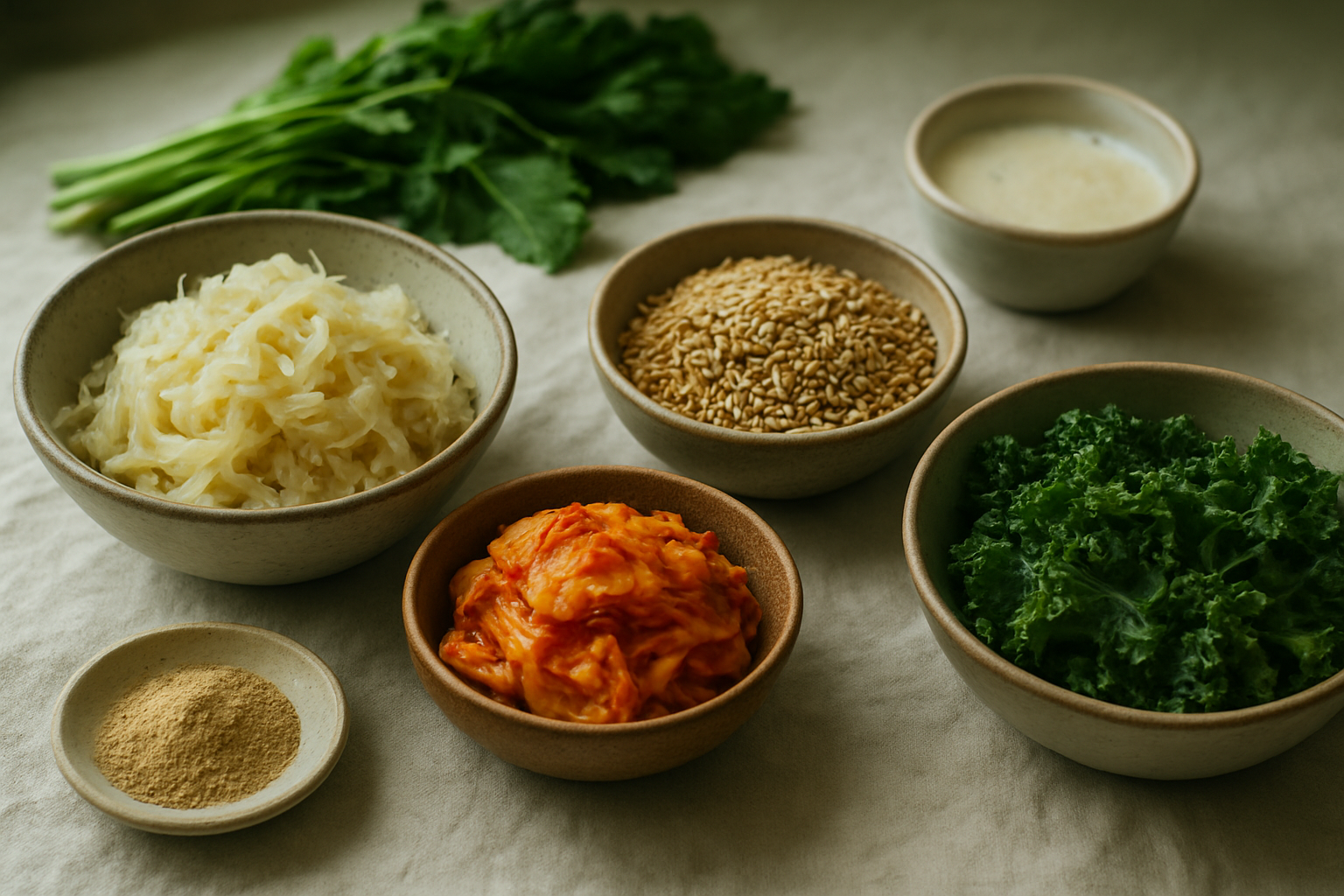
Quick answer: Prebiotics are specialized plant fibers that act as food for the beneficial bacteria already living in your gut, helping them grow and thrive. Probiotics, conversely, are live microorganisms, often beneficial bacteria, that, when consumed in adequate amounts, confer a health benefit to the host. Think of prebiotics as the fertilizer and probiotics as the beneficial seeds.
Quick facts
- Prebiotics are non-digestible food ingredients, primarily fibers.
- Probiotics are live beneficial microorganisms, like certain bacteria and yeasts.
- Prebiotics nourish existing gut bacteria, supporting a healthy microbiome.
- Probiotics introduce new beneficial microbes to the gut.
- Many foods contain prebiotics (e.g., garlic, onions, oats); probiotics are in fermented foods (e.g., yogurt, kimchi).
- Both contribute to a balanced and diverse gut microbiome, which is linked to overall health.
The terms "prebiotics" and "probiotics" are often used together, but they refer to two distinct components that contribute to a healthy gut microbiome. While both are vital for supporting digestive health and overall well-being, their functions and sources differ significantly.
What are Probiotics?
Probiotics are live microorganisms that, when administered in adequate amounts, confer a health benefit on the host. Essentially, they are beneficial bacteria or yeasts that you can consume to add to the population of good microbes in your gut. These living organisms can colonize the digestive tract and contribute to a balanced microbiome. Common probiotic strains include Lactobacillus and Bifidobacterium species.
Probiotics are found in various fermented foods. Examples include yogurt, kefir, sauerkraut, kimchi, miso, and kombucha. They are also available as dietary supplements, often in capsule or powder form, containing specific strains and colony-forming units (CFUs).
What are Prebiotics?
Prebiotics are non-digestible food ingredients, primarily certain types of fiber, that selectively stimulate the growth and activity of beneficial microorganisms already residing in the colon. Unlike probiotics, prebiotics are not living organisms; instead, they act as a specialized food source for the beneficial bacteria. When these fibers reach the large intestine, they are fermented by gut bacteria, producing beneficial compounds like short-chain fatty acids (SCFAs).
Common examples of prebiotic fibers include inulin, fructooligosaccharides (FOS), galactooligosaccharides (GOS), and resistant starch. These are naturally present in a wide variety of plant foods.
What are Examples of Foods Rich in Prebiotics?
Many common fruits, vegetables, and grains are excellent sources of prebiotics. Including these in your diet helps feed your existing beneficial gut bacteria. Some examples include:
- Garlic and Onions: Rich in inulin and FOS.
- Leeks and Asparagus: Also contain significant amounts of inulin.
- Bananas: Especially when slightly green, contain resistant starch.
- Oats: A good source of beta-glucan, a type of soluble fiber.
- Apples: Pectin is a type of fiber that can act as a prebiotic.
- Legumes (beans, lentils): Provide GOS and other fibers.
- Barley: Another grain rich in beta-glucan.
Regular consumption of these foods can support a diverse and thriving gut microbiome. Dietary factors, such as fiber intake, are strongly associated with gut microbiome structure Source.
What are Examples of Foods Rich in Probiotics?
Probiotic-rich foods are typically fermented, meaning they have undergone a process where microorganisms convert carbohydrates into alcohol or acids, preserving the food and creating beneficial bacteria. Some popular options are:
- Yogurt and Kefir: Dairy products fermented with live active cultures like Lactobacillus bulgaricus and Streptococcus thermophilus.
- Sauerkraut: Fermented cabbage, rich in Lactobacillus species.
- Kimchi: A spicy Korean fermented cabbage dish.
- Tempeh: A fermented soybean product.
- Miso: A traditional Japanese seasoning made from fermented soybeans.
- Kombucha: A fermented tea beverage.
- Pickles (fermented, not just vinegar-brined): Look for labels that say "naturally fermented" or "contains live cultures."
How Do Prebiotics and Probiotics Work Together?
Prebiotics and probiotics often work synergistically in the body, a concept sometimes referred to as a "synbiotic" effect when they are combined. Probiotics introduce new beneficial microbes, while prebiotics provide the necessary nourishment for these new arrivals, as well as the existing beneficial bacteria, to flourish. This combination can lead to a more robust and diverse gut microbial community.
For example, if you consume probiotic yogurt, pairing it with a banana (a source of resistant starch) could provide a synergistic benefit. The banana's prebiotic fibers would help feed the beneficial bacteria introduced by the yogurt, supporting their survival and activity in your gut. Research suggests that a diverse gut microbiome is associated with various positive health markers, and diet is a key correlate of its structure Source.
Can I Get Enough Prebiotics and Probiotics From My Diet Alone?
For many individuals, a balanced diet rich in whole, unprocessed foods can provide sufficient prebiotics and probiotics. A diverse diet that includes plenty of fruits, vegetables, whole grains, and fermented foods is generally a good starting point. However, individual needs may vary based on dietary preferences, health status, and lifestyle. Some people may benefit from targeted supplementation, especially if their diet is restricted or if they are addressing specific gut health concerns. Always consult with a qualified healthcare professional before making significant changes to your diet or starting new supplements.
Key takeaways
- 01Prebiotics are non-digestible fibers that nourish beneficial gut bacteria, promoting their growth and activity.
- 02Probiotics are live beneficial microorganisms that introduce new microbial populations to the gut.
- 03Prebiotic sources include garlic, onions, oats, and bananas; probiotic sources include yogurt, kimchi, and sauerkraut.
- 04Combining prebiotics and probiotics (synbiotics) may offer enhanced benefits for gut microbiome health.
- 05A diet rich in diverse plant foods and fermented products generally supports a healthy intake of both.
Frequently asked
Are prebiotics and probiotics the same thing?+
No, they are different. Prebiotics are specific types of fiber that feed beneficial gut bacteria, while probiotics are the live beneficial bacteria or yeasts themselves.
Do I need to take both prebiotics and probiotics?+
Consuming both prebiotics and probiotics through your diet or supplements may offer synergistic benefits, as prebiotics can help nourish the probiotic bacteria and other beneficial microbes already in your gut.
Can prebiotics cause digestive upset?+
Some people may experience mild gas or bloating when first increasing prebiotic fiber intake, especially with large amounts. Starting with small servings and gradually increasing can help minimize discomfort.
What happens if I only eat probiotic foods?+
Consuming probiotic foods introduces beneficial bacteria, but without sufficient prebiotics, these new microbes may not have the optimal environment to thrive and multiply. Prebiotics act as their food source.
Are all fermented foods probiotic?+
Not all fermented foods contain live and active probiotic cultures by the time they are consumed. Some processing methods (like baking sourdough bread or pasteurizing yogurt) can kill beneficial bacteria. Look for products labeled "live and active cultures."
Can children consume prebiotics and probiotics?+
Yes, many foods naturally rich in prebiotics and probiotics are part of a healthy diet for children. For supplements, it's best to consult a pediatrician to ensure appropriate types and dosages.
Sources
Every lesson is drafted from primary sources - official announcements, vendor blogs, and reputable industry reporting - then edited by our pipeline.
More on Gut Health
See all →Jan 1, 1970
How to Improve Your Gut Microbiome Naturally
Learn how dietary choices, including eating diverse plant-based foods and fermented products, along with lifestyle factors, can naturally support a healthy gut microbiome for overall well-being.
Jan 1, 1970
What Are the Signs of an Unhealthy Gut?
This lesson explains how an unhealthy gut, often characterized by an imbalanced microbiota or 'dysbiosis,' may manifest through various physical and systemic symptoms, impacting overall health.
Jan 1, 1970
What are the Best Sources of Soluble vs. Insoluble Fiber?
Learn the best food sources for both soluble and insoluble fiber and understand their distinct roles in supporting human gut health and overall well-being.
Jan 1, 1970
Is Kombucha Actually Healthy for Your Gut?
Discover if kombucha lives up to its health claims, particularly regarding its potential benefits for gut health and how its components may interact with your body.
Free account
Want to go deeper?
Sign up free to unlock the full daily industry feed, save posts and articles to your library, and chat with the coach about anything you read.