
How to Hit Protein Goals as a Vegetarian
This lesson explains how vegetarians can effectively meet their daily protein needs by focusing on diverse plant-based sources and strategic meal planning.
Written by the Nutrition Tutor Academy teaching team from 1 primary source. How we source →
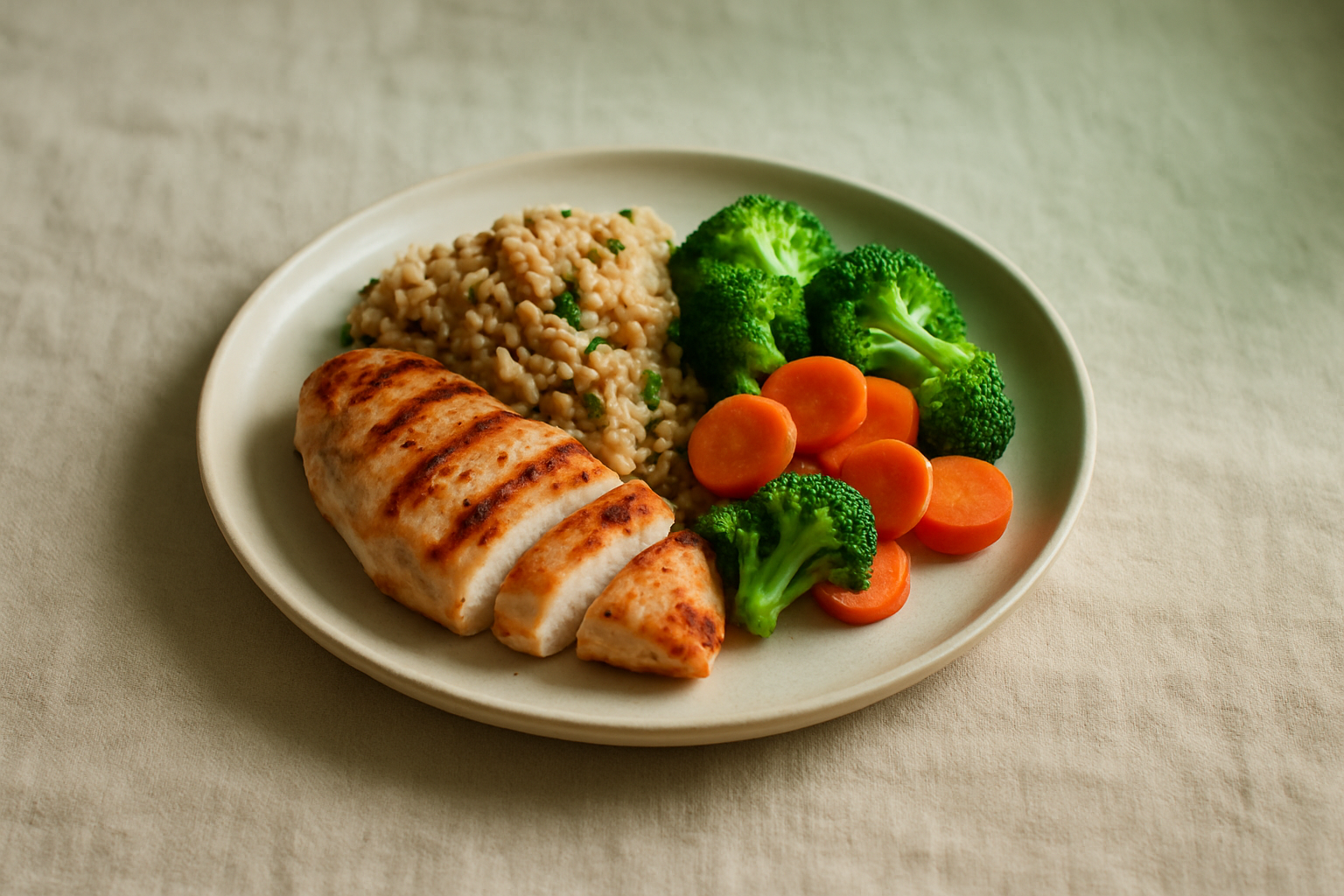
Quick answer: Vegetarians can meet protein goals by prioritizing a variety of plant-based protein sources such as legumes, whole grains, nuts, seeds, and soy products. Combining different plant proteins throughout the day ensures a complete amino acid profile. Strategic meal planning, portion control, and considering fortified or supplemental options can further support daily protein intake.
Quick facts
- Aim for 0.8–1.2 grams of protein per kilogram of body weight for general health.
- Legumes (beans, lentils, chickpeas) are excellent protein sources.
- Quinoa and soy products (tofu, tempeh) are complete plant proteins.
- Nuts and seeds provide protein along with healthy fats and fiber.
- Dairy and eggs are complete proteins for ovo-lacto vegetarians.
- Protein distribution throughout the day supports muscle protein synthesis.
Many individuals wonder how to meet their protein needs when following a vegetarian diet. While meat, poultry, and fish are often highlighted for protein, a well-planned vegetarian diet can easily provide ample protein from a diverse array of plant-based foods.
What are common protein needs for vegetarians?
General recommendations for protein intake typically range from 0.8 to 1.2 grams of protein per kilogram (g/kg) of body weight per day for most adults. However, needs can vary based on activity level, age, and health goals. For example, athletes or individuals seeking to build muscle may aim for a higher intake, often between 1.2 to 1.7 g/kg of body weight per day. Unlike common misconceptions, studies like the one referencing appetite regulation don't directly address vegetarian protein needs but highlight the importance of dietary composition in overall energy balance Source.
Which vegetarian foods are good sources of protein?
Vegetarian diets offer numerous high-protein options. Legumes are a cornerstone, including lentils (about 9g protein per half-cup cooked), black beans (7-8g per half-cup cooked), and chickpeas (7g per half-cup cooked). Soy products like tofu (10g per half-cup firm) and tempeh (16g per half-cup) are complete proteins, meaning they contain all nine essential amino acids. Other notable sources include nuts (almonds, peanuts), seeds (chia, flax, hemp), whole grains (quinoa, oats), and certain vegetables (peas, spinach). For ovo-lacto vegetarians, dairy products (milk, yogurt, cheese) and eggs provide high-quality complete protein.
Do I need to combine specific plant proteins in one meal?
The concept of combining specific plant proteins (like beans and rice) at every meal to form a “complete” protein is largely outdated. The body maintains an amino acid pool throughout the day. By consuming a variety of plant-based protein sources across different meals, vegetarians can obtain all essential amino acids over a 24-hour period. Focus on diverse whole foods rather than strict meal-by-meal combinations.
How can I integrate more protein into my daily meals?
Integrating more protein into vegetarian meals involves mindful food choices. For breakfast, consider oatmeal with nuts and seeds, a tofu scramble, or Greek yogurt with berries. Lunch can feature a lentil soup, a chickpea salad sandwich, or a quinoa bowl with roasted vegetables and edamame. For dinner, try bean chili, tempeh stir-fry, or a hearty lentil and vegetable curry. Snacks can include a handful of almonds, hummus with vegetable sticks, or a protein smoothie made with plant-based protein powder.
Worked Example: Daily Protein Goal of 70g
Let's assume a vegetarian individual weighs 60 kg and aims for approximately 1.2 g/kg of protein, totaling 72 grams per day. Here's how they might achieve it:
- Breakfast: 1/2 cup oatmeal (3g) + 1/4 cup hemp seeds (10g) + 1/2 cup soy milk (4g) = 17g
- Lunch: 1 cup lentil soup (18g) + 2 slices whole-wheat bread (6g) = 24g
- Snack: 1/4 cup almonds (7g) + 1/2 cup cottage cheese (14g) = 21g (for ovo-lacto)
- Dinner: 1/2 block (7oz) firm tofu (20g) stir-fried with vegetables and 1 cup brown rice (5g) = 25g
Total Daily Protein: 17g + 24g + 21g + 25g = 87g
This example demonstrates how exceeding the target of 70g is achievable with careful selection of protein-rich vegetarian foods throughout the day, ensuring a varied amino acid intake.
Should vegetarians consider protein supplements?
While a well-planned vegetarian diet can meet protein needs, supplements can be a convenient option for some. Plant-based protein powders (e.g., soy, pea, rice, hemp) can be useful for individuals with very high protein requirements, limited appetite, or busy schedules. They can be added to smoothies, oatmeal, or baked goods. Always choose reputable brands and consult with a dietitian or healthcare provider before adding supplements to your routine, especially if you have underlying health conditions. Focus first on whole food sources, as they provide a wider range of essential nutrients and fiber.
Key takeaways
- 01Prioritize diverse plant-based protein sources like legumes, soy, nuts, and seeds daily.
- 02Combine different plant proteins throughout the day to ensure all essential amino acids are consumed.
- 03Strategic meal planning and incorporating protein-rich snacks can help distribute intake.
- 04Ovo-lacto vegetarians can leverage dairy and eggs for high-quality complete protein.
- 05Protein supplements are an optional aid but whole foods should be the primary focus.
Frequently asked
What is a 'complete protein' in vegetarian diets?+
A complete protein contains all nine essential amino acids that the human body cannot produce on its own. While animal products are typically complete, some plant foods like quinoa, soy (tofu, tempeh, edamame), and buckwheat are also complete proteins. Combining various plant proteins throughout the day ensures you get all essential amino acids.
How much protein do vegetarian athletes need?+
Vegetarian athletes often have higher protein needs than sedentary individuals, typically ranging from 1.2 to 1.7 grams per kilogram of body weight per day. This higher intake supports muscle repair, recovery, and growth, especially after intense training.
Are there any vegetarian foods I should avoid for protein?+
There aren't specific vegetarian foods to avoid for protein, but it's important to focus on nutrient-dense sources. Limiting highly processed vegetarian options that are low in protein and high in unhealthy fats or sugars is generally advisable for overall health.
Can I get enough protein if I'm a vegan?+
Yes, vegans can absolutely meet their protein needs. The principles are similar to those for vegetarians: focus on a wide variety of protein-rich plant foods like legumes, tofu, tempeh, seitan, nuts, seeds, whole grains, and certain vegetables. Planning meals to include these diverse sources is key.
What are some easy protein-rich vegetarian snacks?+
Excellent protein-rich vegetarian snacks include Greek yogurt (for ovo-lacto) or plant-based yogurt, a handful of almonds or walnuts, hummus with whole-wheat crackers or veggie sticks, edamame, roasted chickpeas, or a protein smoothie made with plant-based protein powder.
Do plant proteins have lower quality than animal proteins?+
While some individual plant proteins might be 'incomplete' (lacking one or more essential amino acids in sufficient amounts), the overall 'quality' of protein in a varied vegetarian diet is excellent. By consuming a range of plant-based protein sources throughout the day, you ensure you receive a full spectrum of essential amino acids.
Sources
Every lesson is drafted from primary sources - official announcements, vendor blogs, and reputable industry reporting - then edited by our pipeline.
More on Macros & Energy
See all →Jan 1, 1970
Carb Cycling Explained: A Guide to Strategic Carbohydrate Intake
This lesson explains carb cycling, a dietary strategy that varies carbohydrate intake daily or weekly to support fitness and health goals, differentiating between high-carb and low-carb days.
Jan 1, 1970
High-Protein Foods for Weight Loss: Your Essential Guide
Discover how incorporating high-protein foods can support weight loss by enhancing satiety, preserving muscle, and boosting metabolism.
Jan 1, 1970
How Many Grams of Protein Are in an Egg?
This lesson details the typical protein content of an egg, factors influencing it, and how to incorporate eggs into a protein-rich diet.
Jan 1, 1970
Best Sources of Healthy Fats for a Heart-Healthy Diet
This lesson details the best sources of healthy fats, focusing on plant-based options like olive oil, seed oils, nuts, and avocados, which may support heart health and maintain healthy cholesterol levels.
Free account
Want to go deeper?
Sign up free to unlock the full daily industry feed, save posts and articles to your library, and chat with the coach about anything you read.