
Are Fermented Foods Good For You? Understanding Their Benefits
Discover how fermented foods contribute to health through unique sensory properties, potential health benefits, and their role in sustainable food systems.
Written by the Nutrition Tutor Academy teaching team from 3 primary sources. How we source →
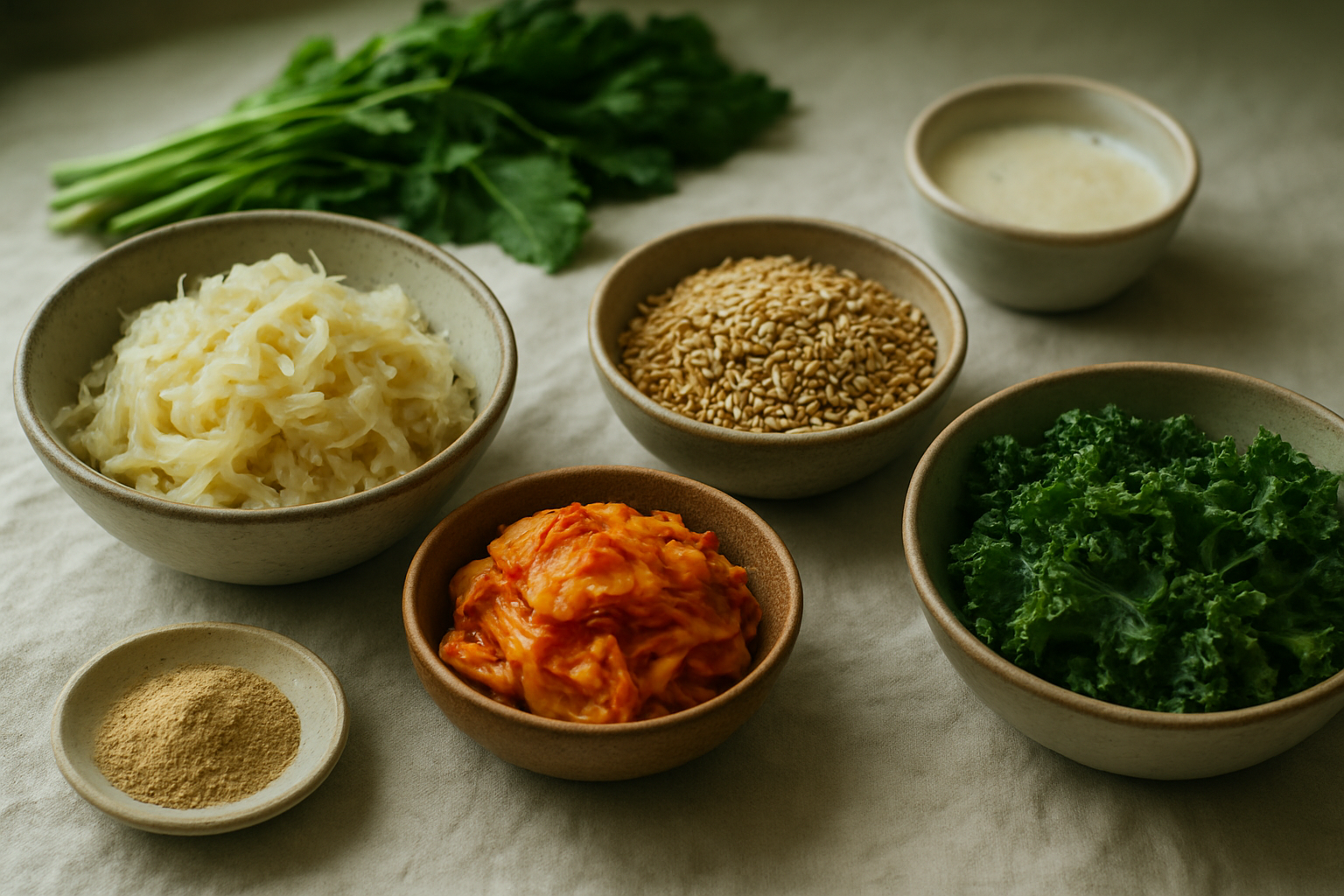
Quick answer: Yes, fermented foods are generally considered good for you, offering a range of benefits beyond their unique flavors. They contribute to gut health by introducing beneficial microorganisms, which may support digestive function and nutrient absorption. Furthermore, fermentation can enhance the nutritional profile of foods and play a role in the sustainability of food systems.
Quick facts
- Fermentation has been used for millennia for food preservation and transformation.
- Fermented foods contain unique sensory properties and potential health benefits.
- They contribute to gut health by introducing beneficial microorganisms.
- Fermentation can improve nutrient bioavailability and reduce anti-nutrients.
- Examples include yogurt, kimchi, sauerkraut, kefir, and sourdough bread.
- The process supports sustainable food systems by extending shelf life.
Fermented foods, created through the controlled growth of microorganisms, have been a staple in human diets for thousands of years. Beyond their role in preserving perishable goods and enhancing flavor, modern science is increasingly documenting their health benefits.
What are fermented foods?
Fermented foods are products made by the metabolic activity of microorganisms, such as bacteria, yeasts, or molds, on a food substrate. This process transforms the food, often leading to changes in taste, texture, and nutritional profile, while also extending its shelf life. Common examples include yogurt, kimchi, sauerkraut, kombucha, kefir, and sourdough bread. The microorganisms involved break down components in the food, creating new compounds.
How do fermented foods benefit gut health?
Fermented foods are well-regarded for their potential to support gut health. They often contain live and active cultures, which are beneficial microorganisms. When consumed, these microorganisms can contribute to the diversity and balance of the gut microbiome. A balanced gut microbiome is associated with various aspects of health, including digestion and immune function. Research highlights that these foods can offer health benefits that are increasingly well-documented Source.
Do fermented foods offer nutritional advantages?
Beyond their probiotic potential, fermentation can enhance the nutritional value of foods. The microorganisms involved can produce vitamins (like B vitamins), break down anti-nutrients (compounds that can interfere with nutrient absorption), and make nutrients more bioavailable. For instance, the fermentation of cabbage into sauerkraut not only preserves it but can also increase its vitamin C content and aid in the absorption of minerals. Some fermented foods, like tempeh, can also serve as excellent sources of plant-based protein.
What are the other general health benefits?
Fermented foods are associated with various potential health benefits. These may include improved digestion due to the breakdown of complex carbohydrates by microbial enzymes, and enhanced immune support stemming from a healthy gut microbiome. The unique compounds created during fermentation can also have antioxidant properties. While research continues, the cumulative evidence points to a broad spectrum of positive impacts on overall well-being.
Can fermented foods contribute to sustainable eating?
Yes, fermentation plays a significant role in food sustainability. Historically, it was a primary method for food preservation, reducing waste before refrigeration was common. By extending the shelf life of perishable goods, fermentation helps minimize food spoilage. It also transforms raw agricultural products into more stable and digestible forms. As societies move towards more plant-based and sustainable diets, fermentation represents a key technology for transforming agri-food systems Source.
Worked Example: Incorporating Fermented Foods
Let's say you want to add more fermented foods to your diet. Start small. You could add a tablespoon of sauerkraut to your sandwich or salad daily. If you enjoy dairy, a serving of plain Greek yogurt or kefir in the morning with fruit and nuts provides beneficial cultures. For a beverage, try a small glass of kombucha. The key is consistent, moderate consumption to allow the beneficial microorganisms to establish themselves. Always check labels for "live and active cultures" to ensure the product has not been pasteurized after fermentation, which would destroy the beneficial microbes.
Are there any downsides to consuming fermented foods?
While generally beneficial, some individuals might experience mild digestive discomfort, such as bloating or gas, when first introducing fermented foods due to the sudden influx of new bacteria. It's often recommended to start with small portions and gradually increase intake. Also, some fermented foods, like kimchi or sauerkraut, can be high in sodium, which should be considered, especially for those monitoring their sodium intake.
Key takeaways
- 01Fermented foods are rich in beneficial microorganisms, supporting gut microbiome diversity and balance.
- 02The fermentation process can enhance nutrient absorption and increase the availability of certain vitamins.
- 03They possess unique sensory qualities and contribute to sustainable food practices by extending shelf life.
- 04Regular consumption of various fermented foods may support digestion, immune function, and overall health.
- 05Start with small portions and gradually increase intake to allow your digestive system to adapt to new microbes.
Frequently asked
What is the primary benefit of eating fermented foods?+
The primary benefit of eating fermented foods is their potential to introduce beneficial microorganisms to the gut, thereby supporting a healthy and diverse gut microbiome, which is linked to improved digestion and overall well-being.
Are all fermented foods the same?+
No, not all fermented foods are the same. They vary widely in the types of microorganisms involved, the specific nutrients they provide, and their taste profiles. Examples range from dairy-based products like yogurt and kefir to vegetable ferments like sauerkraut and kimchi, and beverages like kombucha.
Do I need to eat fermented foods every day?+
While there's no strict rule, consistent, moderate consumption of various fermented foods is often suggested to maintain a healthy gut microbiome. Daily inclusion can be beneficial, but rotating different types of fermented foods is also a good strategy.
Can I make fermented foods at home?+
Yes, many fermented foods like sauerkraut, kimchi, and sourdough bread can be made at home. However, it's important to follow proper hygiene and recipes to ensure food safety and successful fermentation.
What should I look for when buying fermented foods?+
When buying fermented foods, look for labels that indicate "live and active cultures" or "unpasteurized." Pasteurization kills the beneficial microorganisms, negating many of the gut health benefits. Plain, unsweetened varieties are generally preferred.
Are fermented foods suitable for everyone?+
Most people can safely consume fermented foods. However, individuals with certain medical conditions, such as histamine intolerance or a compromised immune system, should consult with a healthcare professional before making significant dietary changes. Some may experience mild digestive upset initially.
Sources
Every lesson is drafted from primary sources - official announcements, vendor blogs, and reputable industry reporting - then edited by our pipeline.
More on Gut Health
See all →Jan 1, 1970
How to Improve Your Gut Microbiome Naturally
Learn how dietary choices, including eating diverse plant-based foods and fermented products, along with lifestyle factors, can naturally support a healthy gut microbiome for overall well-being.
Jan 1, 1970
What Are the Signs of an Unhealthy Gut?
This lesson explains how an unhealthy gut, often characterized by an imbalanced microbiota or 'dysbiosis,' may manifest through various physical and systemic symptoms, impacting overall health.
Jan 1, 1970
What are the Best Sources of Soluble vs. Insoluble Fiber?
Learn the best food sources for both soluble and insoluble fiber and understand their distinct roles in supporting human gut health and overall well-being.
Jan 1, 1970
Is Kombucha Actually Healthy for Your Gut?
Discover if kombucha lives up to its health claims, particularly regarding its potential benefits for gut health and how its components may interact with your body.
Free account
Want to go deeper?
Sign up free to unlock the full daily industry feed, save posts and articles to your library, and chat with the coach about anything you read.