
Whole Food Swaps for Common Snacks: Healthier Choices
Discover practical whole food swaps for popular snacks to enhance your diet with more nutrients and fewer ultra-processed ingredients, aligning with principles of eating real food.
Written by the Nutrition Tutor Academy teaching team from 1 primary source. How we source →
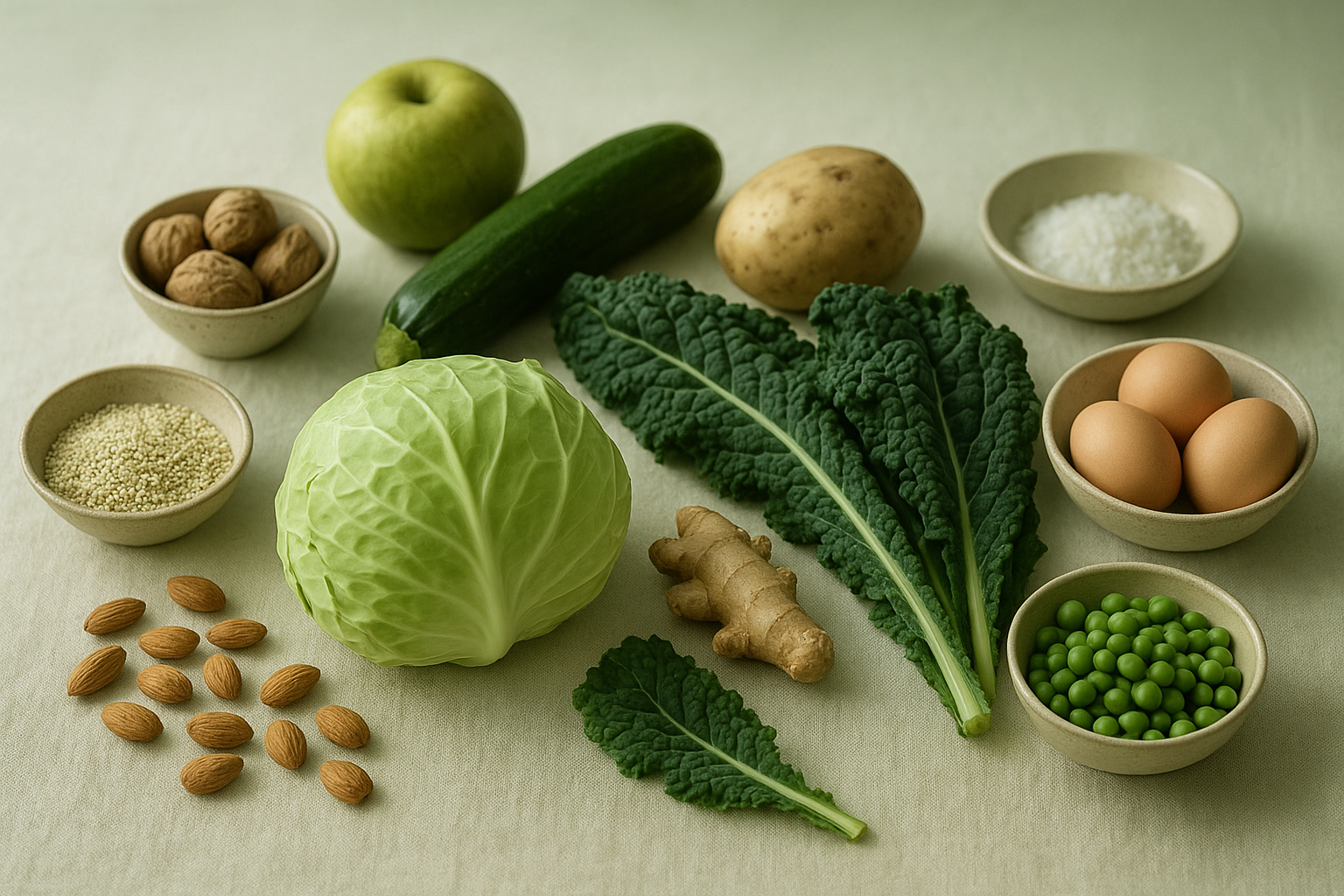
Quick answer: Opting for whole food snacks, such as fruits, vegetables, nuts, and seeds, provides more fiber, vitamins, and minerals than many common processed snacks. These swaps can support overall dietary quality by reducing intake of added sugars, unhealthy fats, and artificial ingredients. Making small, consistent changes in snack choices contributes to a more balanced eating pattern.
Quick facts
- Whole foods are minimally processed and retain most of their natural nutrients.
- Many common snacks are ultra-processed, containing added sugars, fats, and salt.
- Swapping to whole foods increases fiber, vitamin, and mineral intake.
- Examples include replacing chips with air-popped popcorn or candy with fresh fruit.
- Emphasizing 'Eat Real Food' is a key message in dietary advice principles.
- Planning ahead can make healthy snack swaps easier to implement daily.
Many of us reach for snacks throughout the day, but the choices we make can significantly impact our overall nutrition. While convenient, many common processed snacks are high in added sugars, unhealthy fats, and sodium, and lack essential nutrients like fiber and vitamins.
Making whole food swaps means choosing items that are minimally processed, retaining their natural goodness. This approach aligns with fundamental dietary advice, which often encourages consuming "real food" and limiting ultra-processed items Source.
What are whole foods, and why choose them for snacks?
Whole foods are foods that are as close to their natural state as possible, with minimal processing. This includes fresh fruits, vegetables, whole grains, nuts, seeds, and legumes. They typically retain their natural fiber, vitamins, minerals, and beneficial plant compounds. Choosing whole foods for snacks can help increase your intake of these vital nutrients while reducing consumption of artificial ingredients, added sugars, and unhealthy fats often found in processed snack foods.
How do processed snacks differ from whole food snacks?
Processed snacks, especially ultra-processed ones, often undergo extensive manufacturing, adding sugar, salt, fats, and artificial colors or flavors. These processes strip away many beneficial nutrients, like fiber, that are naturally present in whole foods. For example, a bag of potato chips is high in sodium and unhealthy fats, while a whole potato provides fiber, potassium, and vitamin C. The dietary guidelines often emphasize eating real food and limiting ultra-processed foods Source.
What are some easy whole food swaps for common snack items?
Making healthy snack swaps doesn't have to be complicated. Small changes can make a big difference. Here are some examples:
-
Instead of: Packaged cookies or pastries Swap with: Fresh fruit (like an apple, banana, or a handful of berries)
-
Instead of: Candy bars or sugary chocolates Swap with: A small handful of unsalted nuts (almonds, walnuts) or a piece of dark chocolate (70% cocoa or higher)
-
Instead of: Potato chips Swap with: Air-popped popcorn (seasoned lightly), vegetable sticks (carrots, celery) with hummus, or baked sweet potato fries.
-
Instead of: Sugary yogurt with fruit on the bottom Swap with: Plain Greek yogurt with fresh fruit and a sprinkle of seeds (chia, flax).
-
Instead of: Granola bars (many can be high in sugar) Swap with: A hard-boiled egg, a piece of fruit, or a small handful of whole-grain crackers with avocado.
How can I incorporate these swaps into my daily routine?
Incorporating whole food snacks into your routine can be made easier with a bit of planning. Prepare snacks ahead of time, such as washing and cutting vegetables, portioning out nuts, or baking a batch of whole-grain muffins. Keep healthy options visible and easily accessible in your fridge or pantry. When grocery shopping, prioritize the perimeter of the store where fresh produce, dairy, and whole proteins are typically found.
Worked Example: Upgrading your afternoon snack
Let's say your typical afternoon snack is a bag of cheese-flavored crackers (approximately 150 calories, 8g fat, 20g carbs, 1g fiber, 2g protein). A whole food swap could be an apple with a tablespoon of peanut butter. This swap would provide roughly 190 calories, 10g fat, 20g carbs, but significantly more fiber (around 5g) and protein (around 7g). The apple offers natural sugars and vitamins, while the peanut butter provides healthy fats and protein, leading to greater satiety and nutrient intake without a huge caloric difference.
By consistently choosing whole food alternatives, you can significantly improve the nutritional quality of your diet and support overall wellness.
Key takeaways
- 01Prioritize minimally processed whole foods like fruits, vegetables, nuts, and seeds for snacking.
- 02Whole food swaps increase fiber, vitamins, and minerals while reducing unhealthy additives.
- 03Simple swaps include fresh fruit for cookies or air-popped popcorn for chips.
- 04Planning and preparing snacks in advance helps maintain consistent healthy choices.
- 05Choosing whole food snacks supports a dietary pattern focused on 'real food' principles.
Frequently asked
What are some good on-the-go whole food snacks?+
Excellent on-the-go options include bananas, apples, oranges, small bags of unsalted nuts, individual portions of plain Greek yogurt, or pre-cut vegetable sticks like carrots and celery.
Are all granola bars considered processed snacks?+
Many commercial granola bars can be highly processed with added sugars and unhealthy fats. Look for options with minimal ingredients, whole grains as the first ingredient, and low added sugar, or make your own at home for better control over ingredients.
Can dried fruit be a whole food snack?+
Yes, dried fruit can be a whole food snack, but it's important to choose varieties without added sugars or sulfites. Be mindful of portion sizes, as the sugar content is concentrated. Combine with nuts for a more balanced snack.
What's a good savory whole food snack swap?+
Instead of processed chips, try roasted chickpeas (seasoned with spices), a handful of olives, or homemade kale chips. These offer fiber and beneficial fats without excessive sodium or artificial ingredients.
How can I make whole food snacks appealing to children?+
Make it fun! Cut fruits and vegetables into interesting shapes, offer colorful arrays (like a rainbow fruit plate), or involve children in preparing their own healthy snacks. Pairing them with dips like hummus or nut butter can also help.
Sources
Every lesson is drafted from primary sources - official announcements, vendor blogs, and reputable industry reporting - then edited by our pipeline.
More on Whole Foods
See all →Jan 1, 1970
Whole Food Meal Prep for Beginners: Your Essential Guide
This lesson guides beginners through whole food meal preparation, offering practical steps to save time and promote a nutrient-rich eating pattern.
Jan 1, 1970
Are Potatoes a Healthy Whole Food? A Nutrition Guide
This lesson explores the nutritional profile of potatoes, clarifying if they qualify as a healthy whole food and how their preparation impacts their health benefits.
Jan 1, 1970
Are Canned Beans a Whole Food?
This lesson explains how canned beans fit into whole food definitions, distinguishing them from ultraprocessed foods often high in added sugars, saturated fat, or sodium.
Jan 1, 1970
What's the Difference Between Processed and Ultra-Processed Foods?
This lesson explains the distinctions between processed and ultra-processed foods, focusing on their processing level, ingredients, and potential nutritional impacts to help you make informed dietary choices.
Free account
Want to go deeper?
Sign up free to unlock the full daily industry feed, save posts and articles to your library, and chat with the coach about anything you read.