
Protein Per Meal for Muscle Growth: The Science-Backed Guide
Learn the ideal protein targets per meal, leucine thresholds, and daily distribution strategies to optimize muscle protein synthesis and recovery.
Written by the Nutrition Tutor Academy teaching team from 1 primary source. How we source →
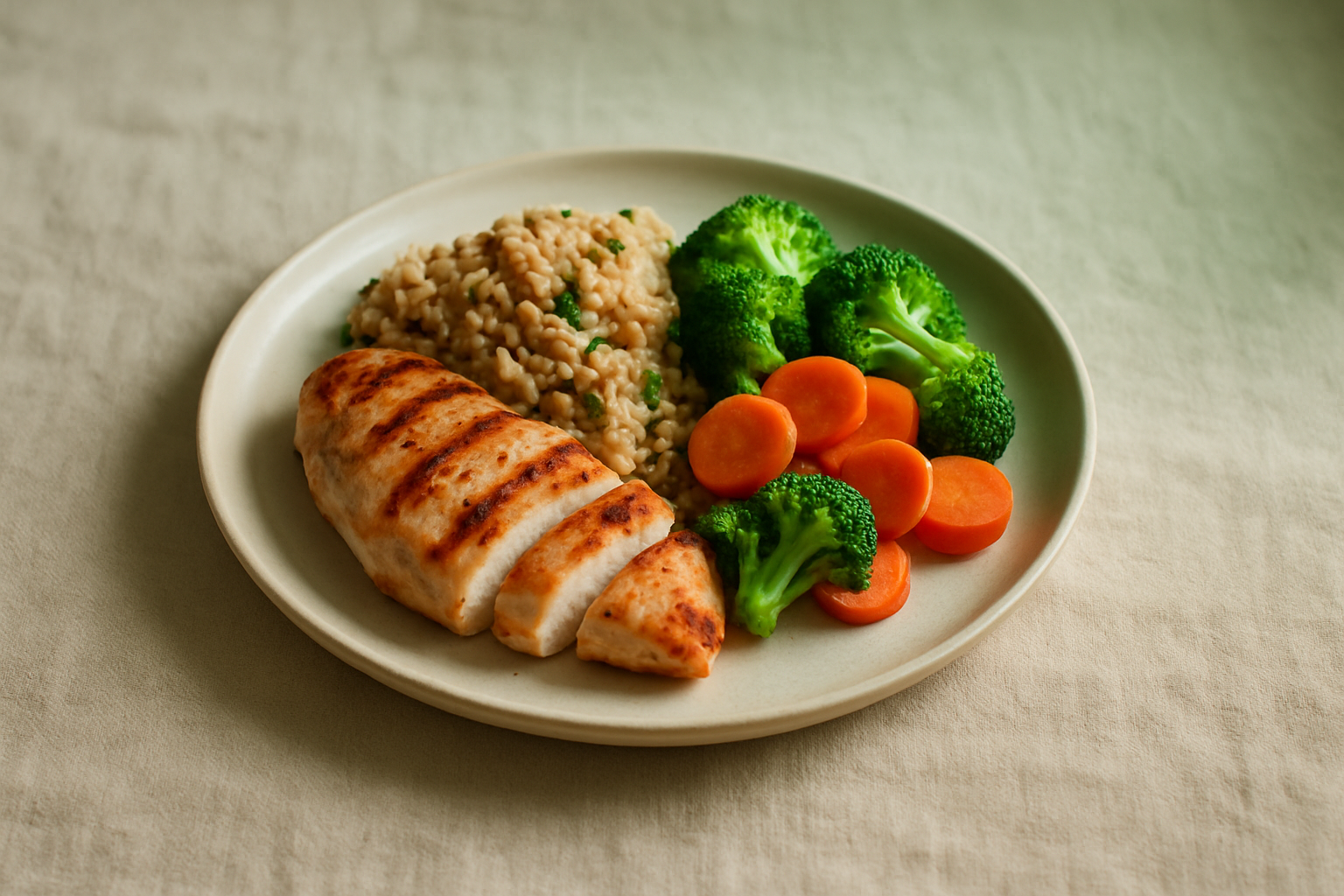
Quick answer: Research suggests consuming 0.40 to 0.55 grams of protein per kilogram of body weight per meal, which translates to roughly 20 to 40 grams of high-quality protein for most individuals. Distributing this amount across three to five meals spaced three to five hours apart may best support muscle repair and growth.
Quick facts
- Aim for 20 to 40 grams of complete protein per feeding to trigger muscle protein synthesis.
- A leucine threshold of 2.5 to 3.0 grams per meal is recommended to stimulate the mTOR pathway.
- Spacing protein feedings 3 to 5 hours apart maintains elevated amino acid availability throughout the day.
- Total daily intake remains the primary driver of muscle retention, ideally 1.6 to 2.2 grams per kilogram.
- Older adults may need 35 to 45 grams per meal to counter age-related anabolic resistance.
Optimizing muscular development requires more than simply reaching an arbitrary daily protein number at the end of the day. How you divide that total intake across your waking hours plays a meaningful role in stimulating muscle repair and adaptation.
How Much Protein Per Meal Maximizes Muscle Protein Synthesis?
Muscle protein synthesis (MPS) is the biological process through which your body utilizes dietary amino acids to repair and build skeletal muscle tissue. Research demonstrates that MPS operates with a distinct dose-response ceiling, often described in exercise physiology as the 'muscle full' effect.
For young and middle-aged adults, consuming approximately 0.40 to 0.55 grams of protein per kilogram of body weight per feeding typically maximizes this response. In practical terms, this equates to roughly 20 to 40 grams of high-quality, complete protein in a single sitting. Consuming significantly less than 20 grams may fail to fully initiate the cellular signaling needed for optimal synthesis, whereas consuming far beyond 40 grams in one meal primarily results in the excess amino acids being oxidized for energy rather than contributing incrementally to acute muscle growth.
Why Does the Leucine Threshold Matter for Each Serving?
Not all protein sources stimulate muscle protein synthesis identically, and the difference largely comes down to essential amino acid composition, particularly leucine. Leucine serves as the primary biochemical trigger for the mechanistic target of rapamycin (mTOR) pathway, which regulates cell growth and protein synthesis.
To initiate this anabolic switch effectively, a meal should generally provide between 2.5 and 3.0 grams of leucine. Animal-derived proteins such as whey, eggs, poultry, beef, and dairy naturally contain high concentrations of leucine, allowing individuals to reach this threshold with approximately 25 to 30 grams of total protein. Plant-based proteins generally contain lower relative percentages of leucine, meaning individuals relying on plant sources may require slightly higher total protein volumes—often 35 to 45 grams per meal—or targeted blends (such as pea and brown rice) to reach the same leucine threshold.
How Does Meal Timing and Spacing Impact Muscle Growth?
Once muscle protein synthesis is stimulated by a protein-rich feeding, cellular machinery remains active for roughly two to three hours before returning to baseline levels. This phenomenon creates a refractory period during which consuming additional protein offers negligible additional stimulatory benefit.
Because of this refractory timeline, spacing protein feedings three to five hours apart appears to produce optimal outcomes for individuals focused on hypertrophy. Spreading daily nutrition across three to five distinct meals allows you to repeatedly stimulate MPS throughout the day, providing an advantageous environment for muscle preservation and growth compared to consuming one or two sporadic, oversized meals.
How Do Changing Appetites and Calorie Deficits Alter Meal Targets?
During periods of energy restriction, the body faces an elevated risk of catabolizing lean mass to meet its energy demands. Consequently, maintaining a stable supply of amino acids becomes even more critical during weight management phases.
When overall caloric intake drops, or when individuals experience reduced hunger due to metabolic changes or specialized therapeutic regimens—such as those detailed by clinical resources like Source—prioritizing protein density in every meal helps safeguard lean mass. In these scenarios, targeting the higher end of the per-meal spectrum (around 0.50 grams per kilogram) helps ensure that diminished meal volume does not compromise structural preservation.
What Does an Optimal Meal Distribution Plan Look Like?
To translate these guidelines into practical daily nutrition, consider an individual weighing 80 kilograms (approximately 176 pounds) engaged in resistance training.
- Establish Daily Target: At a target intake of 2.0 grams per kilogram, total daily protein equals 160 grams.
- Determine Meal Frequency: Dividing this total evenly across four meals yields an intake of 40 grams of protein per meal (0.50 g/kg/meal).
- Practical Food Breakdown:
- Meal 1 (Breakfast): 3 whole eggs with 1 cup of liquid egg whites and spinach (~38g protein).
- Meal 2 (Lunch): 150 grams of grilled chicken breast served over quinoa and mixed greens (~42g protein).
- Meal 3 (Mid-Afternoon): 1 scoop of whey protein mixed into 1 cup of plain non-fat Greek yogurt (~40g protein).
- Meal 4 (Dinner): 170 grams of baked salmon with roasted sweet potatoes and asparagus (~40g protein).
This structured format delivers consistent leucine boluses while distributing daily energy evenly across the active hours of the day.
Do Older Adults Need Higher Protein Quantities Per Meal?
As the human body ages, skeletal muscle exhibits a reduced sensitivity to circulating amino acids and resistance exercise, a biological state known as anabolic resistance. Because older muscle tissue does not respond as readily to modest protein doses, standard thresholds may fall short.
Research suggests that adults over the age of 60 may require between 35 and 50 grams of protein per meal, or roughly 0.45 to 0.60 grams per kilogram per feeding, to elicit the same synthetic response that younger adults achieve with 20 to 25 grams. Prioritizing leucine-rich, easily digestible whole foods helps older adults overcome this threshold to support physical mobility and muscle retention.
Key takeaways
- 01Target 20 to 40 grams of high-quality protein per meal to trigger muscle protein synthesis effectively.
- 02Ensure each meal provides 2.5 to 3.0 grams of leucine to fully activate the mTOR pathway.
- 03Space meals approximately 3 to 5 hours apart to respect the refractory period of muscle protein synthesis.
- 04Distribute total daily protein (1.6 to 2.2 g/kg) across 3 to 5 balanced feedings throughout the day.
Frequently asked
What happens if I eat more than 40 grams of protein in one meal?+
Consuming more than 40 grams is safe for healthy individuals, but the additional amino acids beyond what is needed for immediate tissue repair are largely oxidized for energy or utilized in general whole-body protein turnover rather than providing extra muscle growth.
Is the anabolic window immediately after a workout real?+
The post-exercise window is much wider than previously believed. While consuming 20 to 40 grams of protein within a couple of hours around your workout is helpful, total daily intake and consistent meal spacing play a much larger role in muscle growth.
Can plant-based eaters build muscle with the same protein amounts?+
Yes, but plant proteins generally have lower leucine concentrations. Plant-based eaters often benefit from consuming slightly larger per-meal portions (around 35 to 45 grams) or blending protein sources like pea and rice to reach the required leucine threshold.
Does protein per meal matter if my total daily protein is sufficient?+
Total daily protein is the most important factor for muscle growth. However, distributing that total across three to five meals may provide an additional benefit for maximizing muscle protein synthesis compared to eating the vast majority of your protein in a single sitting.
Should I have a protein feeding right before sleep?+
Consuming 30 to 40 grams of a slower-digesting protein, such as casein or cottage cheese, before sleep may support overnight muscle protein synthesis and promote recovery during intensive training blocks.
Sources
Every lesson is drafted from primary sources - official announcements, vendor blogs, and reputable industry reporting - then edited by our pipeline.
More on Macros & Energy
See all →Jan 1, 1970
Are Calories or Macros More Important? The Guide
Learn whether calories or macronutrients matter more for fat loss, muscle retention, and long-term metabolic health.
Jan 1, 1970
Carb Cycling Explained: A Guide to Strategic Carbohydrate Intake
This lesson explains carb cycling, a dietary strategy that varies carbohydrate intake daily or weekly to support fitness and health goals, differentiating between high-carb and low-carb days.
Jan 1, 1970
How Many Carbs Should I Eat? A Guide to Daily Carbohydrate Intake
Learn how to determine your ideal daily carbohydrate intake based on your energy needs, activity level, and health goals, ranging from general recommendations to specific dietary approaches.
Jan 1, 1970
High-Protein Foods for Weight Loss: Your Essential Guide
Discover how incorporating high-protein foods can support weight loss by enhancing satiety, preserving muscle, and boosting metabolism.
Free account
Want to go deeper?
Sign up free to unlock the full daily industry feed, save posts and articles to your library, and chat with the coach about anything you read.