
High-Fiber Foods for Constipation Relief
Discover how different types of fiber and specific fiber-rich foods can help manage and relieve constipation by supporting healthy digestion.
Written by the Nutrition Tutor Academy teaching team from 1 primary source. How we source →
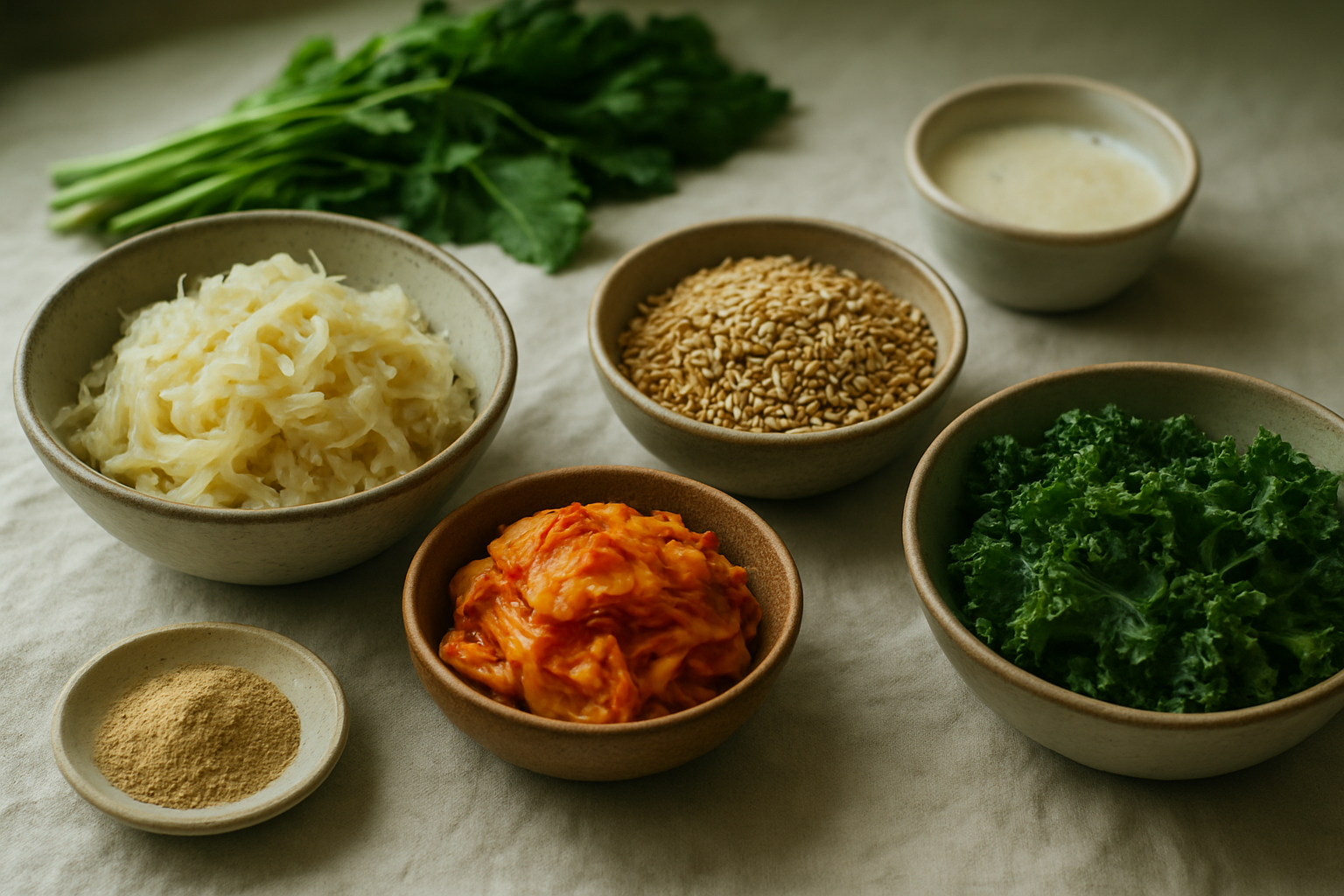
Quick answer: High-fiber foods, especially those rich in prebiotics, can help alleviate constipation by promoting regular bowel movements and maintaining gut health. Fiber adds bulk to stool, making it easier to pass, and feeds beneficial gut bacteria. Incorporating diverse plant-based foods like oats, apples, onions, and legumes can support digestive regularity.
Quick facts
- Fiber adds bulk to stool and helps it move through the digestive tract.
- Prebiotic fibers feed beneficial gut bacteria, supporting a healthy microbiome.
- Many fruits, vegetables, whole grains, and legumes are excellent fiber sources.
- Gradually increasing fiber intake and drinking enough water are crucial.
- A balanced diet is often sufficient for gut health, reducing reliance on supplements.
Constipation can be a frustrating and uncomfortable experience, often linked to dietary habits. Fortunately, increasing your intake of fiber-rich foods is a well-established strategy to support digestive regularity and alleviate this common concern. Fiber plays a critical role in how efficiently your digestive system functions.
How does fiber help with constipation?
Dietary fiber, which is a type of carbohydrate that the body cannot digest, contributes to digestive health in several ways. It adds bulk to stool, making it softer and easier to pass through the intestines. Additionally, some types of fiber act as prebiotics, feeding the beneficial bacteria in your gut. These bacteria produce short-chain fatty acids that can support gut lining strength and overall gut health, which is vital for regular bowel movements Source.
What are the best high-fiber foods for constipation?
The best high-fiber foods for constipation include a variety of fruits, vegetables, whole grains, and legumes. These foods provide both soluble and insoluble fiber, which work together to promote regularity. Soluble fiber dissolves in water to form a gel-like substance, softening stool, while insoluble fiber adds bulk and speeds up the passage of food through the digestive tract.
Here are some excellent options to consider:
- Fruits: Apples (with skin), berries, pears, and slightly under-ripe bananas are good sources. For example, a medium apple provides about 4 grams of fiber.
- Vegetables: Broccoli, Brussels sprouts, spinach, and carrots. Onions and tomatoes are also noted for their prebiotic fiber content Source.
- Legumes: Lentils, black beans, chickpeas, and kidney beans are incredibly high in fiber. A single cup of cooked lentils can offer around 15 grams of fiber.
- Whole Grains: Oats, whole wheat bread, brown rice, and quinoa. Oats, in particular, contain prebiotic fiber that nourishes gut bacteria Source.
- Nuts and Seeds: Almonds, chia seeds, flaxseeds, and sunflower seeds provide both fiber and healthy fats.
How much fiber do I need to relieve constipation?
The recommended daily fiber intake for adults is generally 25 grams for women and 38 grams for men. However, individual needs can vary. When addressing constipation, it is often beneficial to gradually increase fiber intake towards or slightly above these recommendations. Rapidly increasing fiber can sometimes lead to gas and bloating, so a slow introduction over several days or weeks is advised.
Can prebiotics and probiotics help with constipation?
Yes, prebiotics and probiotics can indirectly support constipation relief by improving overall gut health. Prebiotics are types of fiber that feed the beneficial bacteria (probiotics) in your gut. By nurturing these good bacteria, prebiotics help maintain a balanced gut microbiome, which is essential for healthy digestion and regular bowel movements Source. Probiotics, found in fermented foods like yogurt and kefir, introduce beneficial living microorganisms to the gut, further supporting digestive function.
What is a good example of a high-fiber meal?
Consider a breakfast of oatmeal topped with berries and chia seeds. One cup of cooked oatmeal can provide approximately 4 grams of fiber. Adding half a cup of mixed berries contributes about 4 grams, and a tablespoon of chia seeds adds another 5 grams. This single meal could offer around 13 grams of fiber, significantly contributing to your daily goal and promoting digestive regularity.
What else helps alongside high-fiber foods?
While high-fiber foods are crucial, other lifestyle factors also support bowel regularity. Adequate hydration is essential, as fiber needs water to work effectively; without enough fluid, fiber can worsen constipation. Aim to drink plenty of water throughout the day. Regular physical activity can also stimulate intestinal muscle contractions, helping stool move through the colon. Establishing a regular bathroom routine and listening to your body's signals are additional supportive practices.
Key takeaways
- 01Increasing dietary fiber intake through fruits, vegetables, whole grains, and legumes can help alleviate constipation.
- 02Both soluble and insoluble fibers contribute to healthy digestion and regular bowel movements.
- 03Prebiotic-rich foods support beneficial gut bacteria, which play a role in digestive health.
- 04Gradually introduce fiber into your diet and ensure adequate fluid intake to avoid discomfort.
- 05A diverse, balanced diet is typically sufficient for gut health, often reducing the need for supplements.
Frequently asked
How quickly will high-fiber foods relieve constipation?+
The time it takes for high-fiber foods to relieve constipation can vary. It might take a few days to a week for your digestive system to adjust and for you to experience noticeable improvement, especially if you're gradually increasing your fiber intake.
Can too much fiber cause constipation?+
While fiber generally helps with constipation, rapidly increasing your fiber intake without sufficient fluid can sometimes lead to gas, bloating, or even worsen constipation. It's important to increase fiber gradually and drink plenty of water.
Are fiber supplements as good as food for constipation?+
Whole foods are generally preferred over fiber supplements because they offer a broader range of nutrients, vitamins, minerals, and antioxidants in addition to fiber. Supplements can be helpful, but they should not replace a diet rich in whole-food fiber sources.
What drinks help with constipation?+
Water is the most important drink for constipation relief, as it helps fiber function effectively. Prune juice is also well-known for its laxative effects due to its sorbitol and fiber content. Herbal teas may also offer some relief.
Do all types of fiber help with constipation?+
Both soluble and insoluble fibers contribute to constipation relief. Insoluble fiber adds bulk, while soluble fiber softens stool. Foods often contain a mix of both, and consuming a variety of fiber types is generally beneficial for digestive health.
Can children eat high-fiber foods for constipation?+
Yes, children can benefit from high-fiber foods for constipation, but the amount should be adjusted for their age and size. Gradual introduction and adequate fluids are also important for children. Consult with a pediatrician for specific recommendations.
Sources
Every lesson is drafted from primary sources - official announcements, vendor blogs, and reputable industry reporting - then edited by our pipeline.
More on Gut Health
See all →Jan 1, 1970
How to Improve Your Gut Microbiome Naturally
Learn how dietary choices, including eating diverse plant-based foods and fermented products, along with lifestyle factors, can naturally support a healthy gut microbiome for overall well-being.
Jan 1, 1970
What Are the Signs of an Unhealthy Gut?
This lesson explains how an unhealthy gut, often characterized by an imbalanced microbiota or 'dysbiosis,' may manifest through various physical and systemic symptoms, impacting overall health.
Jan 1, 1970
What are the Best Sources of Soluble vs. Insoluble Fiber?
Learn the best food sources for both soluble and insoluble fiber and understand their distinct roles in supporting human gut health and overall well-being.
Jan 1, 1970
Is Kombucha Actually Healthy for Your Gut?
Discover if kombucha lives up to its health claims, particularly regarding its potential benefits for gut health and how its components may interact with your body.
Free account
Want to go deeper?
Sign up free to unlock the full daily industry feed, save posts and articles to your library, and chat with the coach about anything you read.