
Is Quinoa a Complete Whole Food Protein?
This lesson explains what makes quinoa a complete whole food protein, its nutritional benefits, and how to incorporate it into a balanced diet.
Written by the Nutrition Tutor Academy teaching team from 1 primary source. How we source →
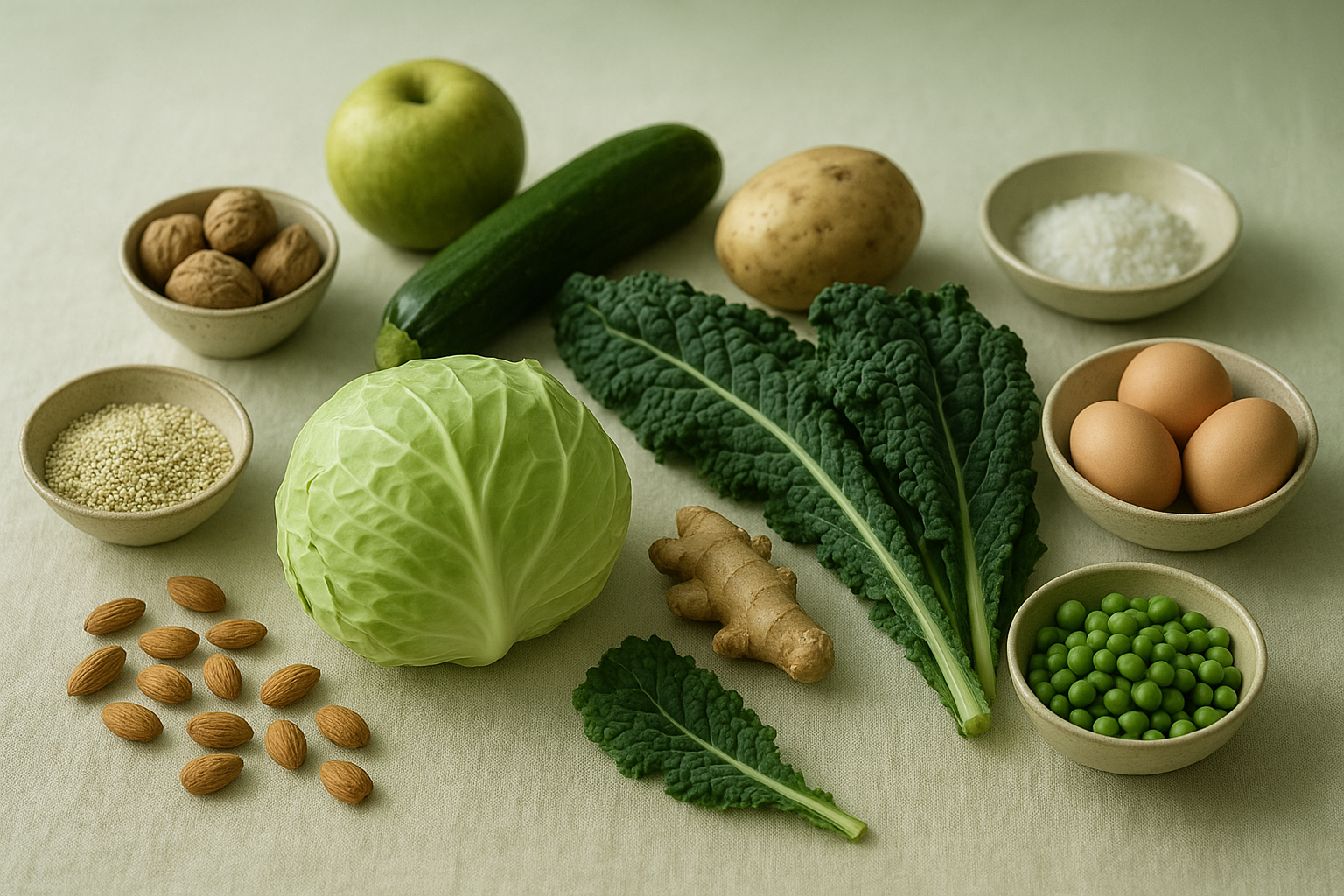
Quick answer: Yes, quinoa is considered a complete whole food protein because it contains all nine essential amino acids that the human body cannot produce on its own. This makes it a valuable plant-based protein source, distinguishing it from most other plant proteins that are often incomplete.
Quick facts
- Quinoa is a pseudocereal, not a true grain, botanically related to spinach.
- It provides all nine essential amino acids, making it a complete protein.
- A single cup (185g) of cooked quinoa offers about 8 grams of protein.
- It is naturally gluten-free and can be a suitable substitute for wheat, barley, and rye.
- Quinoa is also a good source of fiber, iron, magnesium, and B vitamins.
- Its versatility allows for use in various dishes from breakfast to dinner.
Quinoa (pronounced keen-wah) has gained significant popularity in nutrition discussions, particularly regarding its protein content and status as a whole food. Often mistaken for a grain, quinoa is actually a seed from a plant botanically related to spinach, beets, and chard, making it a 'pseudocereal'. Its nutritional composition offers unique advantages, especially for those seeking nutrient-dense plant-based options.
What Makes a Protein 'Complete'?
Proteins are crucial macromolecules composed of amino acids. There are 20 different amino acids that the human body uses, but nine of these are considered 'essential' because the body cannot synthesize them; they must be obtained through diet. A 'complete protein' is a food source that contains adequate proportions of all nine essential amino acids: histidine, isoleucine, leucine, lysine, methionine, phenylalanine, threonine, tryptophan, and valine.
Most animal-derived proteins, such as meat, poultry, fish, eggs, and dairy, are complete proteins. However, many plant-based proteins are often 'incomplete,' meaning they lack one or more essential amino acids. For example, legumes may be low in methionine, while grains can be low in lysine.
Is Quinoa a Whole Food and a Complete Protein?
Yes, quinoa is both a whole food and a complete protein. As a whole food, it is consumed in its minimally processed form, retaining its natural nutrients. Its most notable nutritional feature is its protein quality. Quinoa stands out among plant-based foods because it provides all nine essential amino acids in sufficient quantities, similar to animal proteins. This makes it an excellent choice for vegetarians, vegans, and anyone looking to diversify their protein sources.
A single cup (185 grams) of cooked quinoa typically provides around 8 grams of protein. This protein is accompanied by a host of other beneficial nutrients, including dietary fiber, iron, magnesium, phosphorus, manganese, and several B vitamins, contributing to its designation as a superfood.
How Does Quinoa Compare to Other Grains?
While often categorized with grains due to its culinary use, quinoa's unique complete protein profile sets it apart. Traditional grains like wheat, rice, and corn are generally considered incomplete proteins, requiring combination with other plant foods (e.g., beans with rice) to provide all essential amino acids in a single meal. Quinoa provides this complete protein in a single serving.
Furthermore, quinoa is naturally gluten-free. This characteristic makes it a valuable alternative for individuals with celiac disease or gluten sensitivity, who must avoid common grains like wheat, barley, rye, spelt, Kamut, and triticale. The reference material notes that "rice, quinoa, corn, buckwheat, and legumes may help" those on a gluten-free diet Source.
How Can You Incorporate Quinoa into Your Diet?
Quinoa is incredibly versatile and can be used in a variety of dishes:
- Breakfast: Cook it with milk or water, adding fruits, nuts, and a touch of cinnamon for a nutritious start to your day, similar to oatmeal.
- Salads: Use cooled, cooked quinoa as a base for salads, mixing with vegetables, herbs, and a light dressing.
- Side Dish: Serve it warm as a healthy alternative to rice or couscous alongside main courses.
- Soups and Stews: Add it to thicken and boost the protein content of your favorite soups and stews.
- Baking: Quinoa flour can be used in gluten-free baking, while cooked quinoa can be added to muffins or bread for extra texture and nutrition.
Worked Example: To prepare a quick and complete protein meal using quinoa, combine 1 cup of cooked quinoa with 1/2 cup of black beans, diced bell peppers, chopped cilantro, and a squeeze of lime juice. This simple dish provides complete plant-based protein along with fiber and micronutrients.
Is Quinoa Suitable for Specific Dietary Needs?
Beyond being a complete protein and gluten-free, quinoa offers benefits for several dietary approaches:
- Vegetarian and Vegan Diets: It's a cornerstone food for ensuring adequate protein intake without animal products.
- Weight Management: Its high fiber and protein content can contribute to satiety, potentially supporting weight management efforts.
- Blood Sugar Management: Quinoa's moderate glycemic index and fiber content may help manage blood sugar levels compared to refined grains.
- Nutrient Density: For anyone looking to maximize nutrient intake per calorie, quinoa is an excellent choice, providing essential minerals like iron and magnesium often lacking in modern diets.
Key takeaways
- 01Quinoa is a unique plant-based food that provides all nine essential amino acids, qualifying it as a complete protein.
- 02As a whole food, quinoa is minimally processed and rich in fiber, minerals (iron, magnesium), and B vitamins.
- 03It is naturally gluten-free, making it an excellent alternative for individuals with gluten sensitivities or celiac disease.
- 04Incorporating quinoa into meals can enhance protein quality and nutrient density for a balanced diet.
- 05Quinoa's versatility allows it to be used in various culinary applications, from breakfast bowls to savory main dishes.
Frequently asked
What exactly does 'complete protein' mean for quinoa?+
A complete protein means that quinoa contains all nine essential amino acids that the human body cannot produce on its own and must obtain from food. This is a rare quality among plant-based proteins.
Is quinoa better than rice for protein?+
Yes, for protein quality, quinoa is generally considered better than most types of rice because it is a complete protein, while rice (brown or white) is an incomplete protein, lacking sufficient amounts of certain essential amino acids like lysine.
Can quinoa replace meat as a protein source?+
Quinoa can be a significant plant-based protein source that contributes to overall protein intake, complementing or reducing the need for meat in a balanced diet. However, a varied diet with multiple protein sources is often recommended to meet all nutritional needs.
Is quinoa suitable for a gluten-free diet?+
Yes, quinoa is naturally gluten-free, making it a safe and nutritious grain alternative for individuals following a gluten-free diet due to celiac disease or gluten sensitivity.
How much protein is in a serving of quinoa?+
One cup (185 grams) of cooked quinoa typically contains about 8 grams of protein, along with significant amounts of fiber and various micronutrients.
Does quinoa contain carbohydrates?+
Yes, quinoa is a complex carbohydrate source, providing energy, along with its protein and fiber content. It offers a balanced macronutrient profile.
Sources
Every lesson is drafted from primary sources - official announcements, vendor blogs, and reputable industry reporting - then edited by our pipeline.
More on Whole Foods
See all →Jan 1, 1970
Are Potatoes a Healthy Whole Food? A Nutrition Guide
This lesson explores the nutritional profile of potatoes, clarifying if they qualify as a healthy whole food and how their preparation impacts their health benefits.
Jan 1, 1970
Are Canned Beans a Whole Food?
This lesson explains how canned beans fit into whole food definitions, distinguishing them from ultraprocessed foods often high in added sugars, saturated fat, or sodium.
Jan 1, 1970
What's the Difference Between Processed and Ultra-Processed Foods?
This lesson explains the distinctions between processed and ultra-processed foods, focusing on their processing level, ingredients, and potential nutritional impacts to help you make informed dietary choices.
Jan 1, 1970
Is Bread a Processed Food? Understanding Levels of Processing
This lesson explores how bread is classified across different levels of food processing, from minimally processed to ultra-processed, depending on its ingredients and production methods.
Free account
Want to go deeper?
Sign up free to unlock the full daily industry feed, save posts and articles to your library, and chat with the coach about anything you read.