
How to Track Macros Without Weighing Food
Learn practical methods like hand portions, visual estimation, and food logging to track macronutrients effectively without relying on a food scale.
Written by the Nutrition Tutor Academy teaching team from 3 primary sources. How we source →
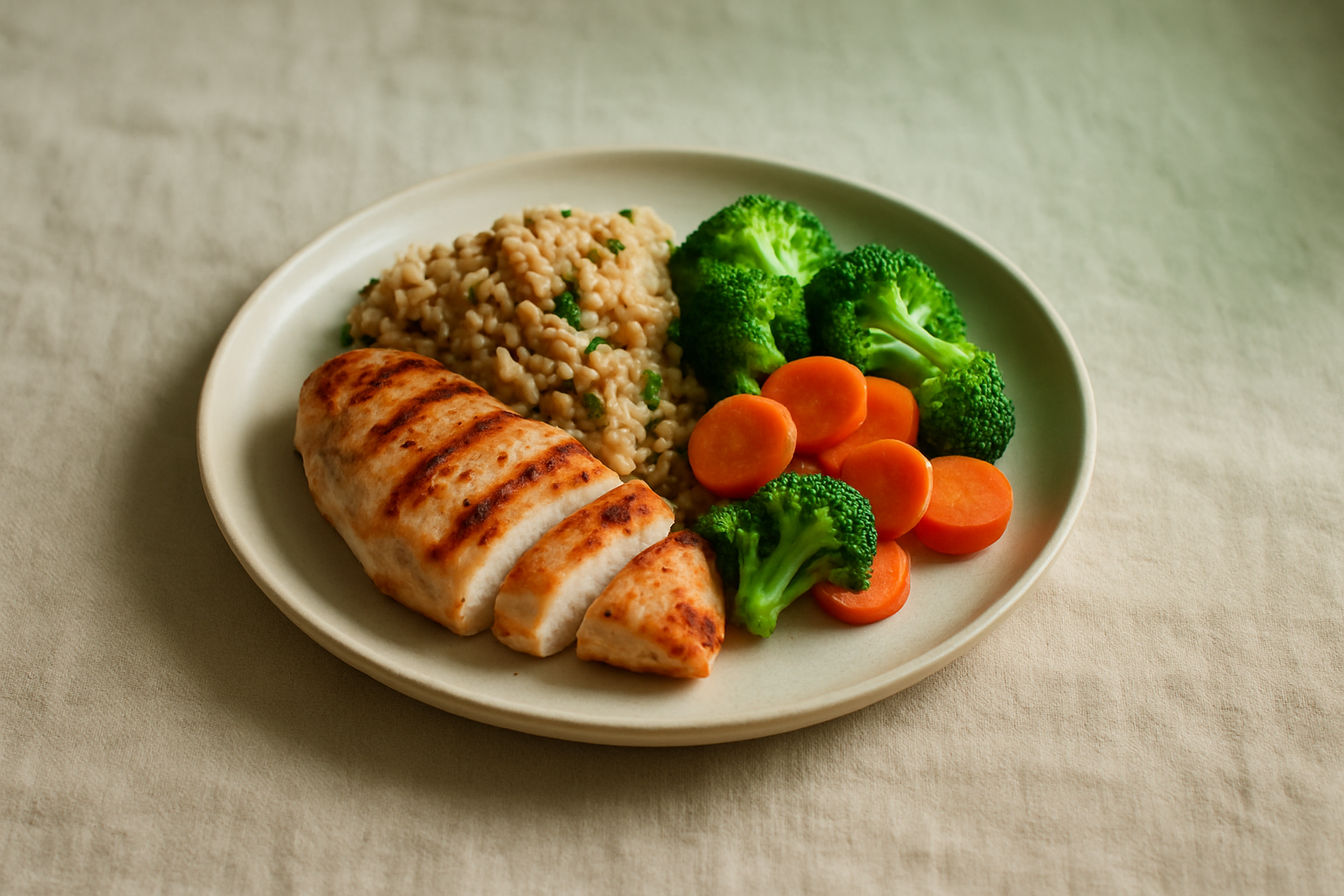
Quick answer: Tracking macros without weighing food involves using practical estimation techniques such as hand portions, visual cues, and understanding common food serving sizes. These methods offer a convenient way to monitor protein, carbohydrates, and fats, allowing for dietary adjustments without the need for precise measurements. Consistency in applying these estimations is key for effective tracking.
Quick facts
- Hand portions provide a personalized, scale-free way to estimate protein, carbs, and fats.
- Visual estimation uses common objects (e.g., deck of cards) to gauge food quantity.
- Understanding standard serving sizes on nutrition labels helps inform estimations.
- Food journaling or apps can track intake even with estimated portions.
- Regularly assessing progress allows for adjustments to estimated portions.
- Focus on consistency rather than perfect precision for sustainable macro tracking.
Many people find that precisely weighing every food item is too time-consuming or inconvenient for long-term adherence. Fortunately, several effective strategies allow you to track your macronutrient intake (protein, carbohydrates, and fats) without needing a food scale.
Why is tracking macros important?
Tracking macronutrients helps individuals understand the composition of their diet, which is crucial for achieving specific health and fitness goals. For example, ensuring adequate protein intake is important for muscle maintenance, while monitoring carbohydrate and fat intake can support energy levels and overall dietary balance. The global trend towards increased energy, protein, and fat supply highlights the importance of understanding dietary patterns Source, making personal tracking a valuable tool.
How can hand portions help estimate macros?
Your hand is a surprisingly effective and portable measuring tool. Different parts of your hand can approximate common serving sizes for various macronutrients:
- Protein: A palm-sized portion (about the thickness and diameter of your palm) is often used to estimate a serving of protein, such as chicken breast, fish, or lean meat. This typically equates to roughly 20-30 grams of protein.
- Carbohydrates: A cupped hand can estimate a serving of starchy carbohydrates like rice, pasta, or potatoes, or fibrous carbohydrates like berries. One cupped hand generally represents 20-30 grams of carbohydrates.
- Fats: Your thumb tip can estimate a serving of healthy fats, such as butter, oils, or nuts. One thumb-sized portion is roughly 1 tablespoon of oil or a small handful of nuts, providing about 10-15 grams of fat.
Worked Example: If you aim for 30g protein, 40g carbs, and 15g fat for a meal, you might aim for one palm of chicken, one cupped hand of rice, and one thumb-tip of avocado.
What are some visual estimation techniques?
Visual cues can also help you gauge portion sizes without a scale. By comparing your food to everyday objects, you can get a reasonable estimate:
- Deck of Cards: Often used to estimate a 3-ounce serving of meat, fish, or poultry (about 21 grams of protein).
- Golf Ball: Can represent 1/2 cup of cooked grains like rice or pasta, or a serving of fruits or vegetables (around 20-25 grams of carbs).
- Teaspoon: A teaspoon is a small, common measure for oils or butter, which are pure fats. One teaspoon is approximately 5 grams of fat.
- Computer Mouse: Can be used to estimate a large baked potato or a cup of yogurt.
How can food labels and standard serving sizes assist?
Before preparing food, check the nutrition label for standard serving sizes. While you won't be weighing, understanding what a labeled serving 'looks like' can improve your visual estimation skills over time. For instance, if a label says 1/2 cup of oats is 30g carbs, try to visually recognize what that quantity looks like in your bowl. This practice helps calibrate your eye for future meals.
Should I use a food tracking app?
Yes, using a food tracking app or keeping a food journal is highly recommended. Many apps have extensive databases of foods and their nutritional information. When you use hand portions or visual estimations, you can enter these estimated quantities into the app. For example, instead of entering "150g chicken breast," you might enter "1 palm of chicken breast" and then adjust the quantity in the app to reflect the estimated macronutrients. Over time, consistent tracking, even with estimations, will reveal patterns in your intake and allow you to make necessary adjustments.
How do I refine my estimation skills over time?
Start by being consistent with your chosen method, whether it's hand portions or visual cues. Periodically, you might weigh a few common foods for a week or two to check the accuracy of your estimations. This self-correction process helps you become more adept at judging quantities without a scale. Pay attention to how your body responds to your intake; if you're not seeing desired results, adjust your estimated portions accordingly. The goal is to develop an intuitive understanding of your food intake.
Key takeaways
- 01Utilize your hand as a personalized, portable measuring tool for protein (palm), carbs (cupped hand), and fats (thumb tip).
- 02Employ visual cues like common objects (deck of cards, golf ball) to estimate portion sizes effectively.
- 03Familiarize yourself with standard serving sizes from nutrition labels to improve your visual estimation accuracy.
- 04Track your estimated intake using a food journal or app to monitor patterns and make informed adjustments.
- 05Prioritize consistency over perfect precision, and periodically check your estimations to refine your skills and achieve dietary goals.
Frequently asked
Is tracking macros without weighing food as accurate?+
While less precise than using a food scale, tracking macros without weighing food can still be highly effective for most individuals. The goal is consistency and reasonable accuracy, allowing for adequate dietary adjustments towards health goals.
What are the best tools for non-scale macro tracking?+
The best tools are your own hands for portioning, common household objects for visual comparisons, and a reliable food tracking app or journal to log your estimated intake.
How do I know if my estimations are correct?+
You can periodically cross-reference your estimations by weighing a few common food items for a short period. Additionally, observing your progress toward your dietary goals (e.g., weight changes, energy levels) provides feedback on your accuracy.
Can I track macros without weighing food when eating out?+
Yes, it's particularly useful when dining out. Apply hand portion and visual estimation techniques to gauge quantities, and then log your best estimates into your tracking app. Opt for simpler dishes with fewer hidden ingredients to make estimation easier.
What if I have very specific macro targets?+
For extremely precise macro targets, especially for competitive athletes or those with specific medical needs, a food scale may eventually be necessary. However, non-weighing methods can still provide a solid foundation and general adherence to targets.
Does this method work for all types of food?+
It works well for whole, unprocessed foods like meats, vegetables, fruits, and grains. Mixed dishes or highly processed foods can be more challenging to estimate accurately, but breaking them down into their primary components can help.
Sources
Every lesson is drafted from primary sources - official announcements, vendor blogs, and reputable industry reporting - then edited by our pipeline.
More on Macros & Energy
See all →Jan 1, 1970
Are Calories or Macros More Important? The Guide
Learn whether calories or macronutrients matter more for fat loss, muscle retention, and long-term metabolic health.
Jan 1, 1970
Carb Cycling Explained: A Guide to Strategic Carbohydrate Intake
This lesson explains carb cycling, a dietary strategy that varies carbohydrate intake daily or weekly to support fitness and health goals, differentiating between high-carb and low-carb days.
Jan 1, 1970
How Many Carbs Should I Eat? A Guide to Daily Carbohydrate Intake
Learn how to determine your ideal daily carbohydrate intake based on your energy needs, activity level, and health goals, ranging from general recommendations to specific dietary approaches.
Jan 1, 1970
High-Protein Foods for Weight Loss: Your Essential Guide
Discover how incorporating high-protein foods can support weight loss by enhancing satiety, preserving muscle, and boosting metabolism.
Free account
Want to go deeper?
Sign up free to unlock the full daily industry feed, save posts and articles to your library, and chat with the coach about anything you read.