
Natural Weight Loss Science: A 21-Day Smoothie Plan Overview
Rapid, natural weight loss relies on a sustained calorie deficit, increased protein and fiber for satiety, reduced sodium to limit water retention, and consistent light physical activity.
Written by the Fitness Tutor editorial pipeline from 1 primary source. How we source →
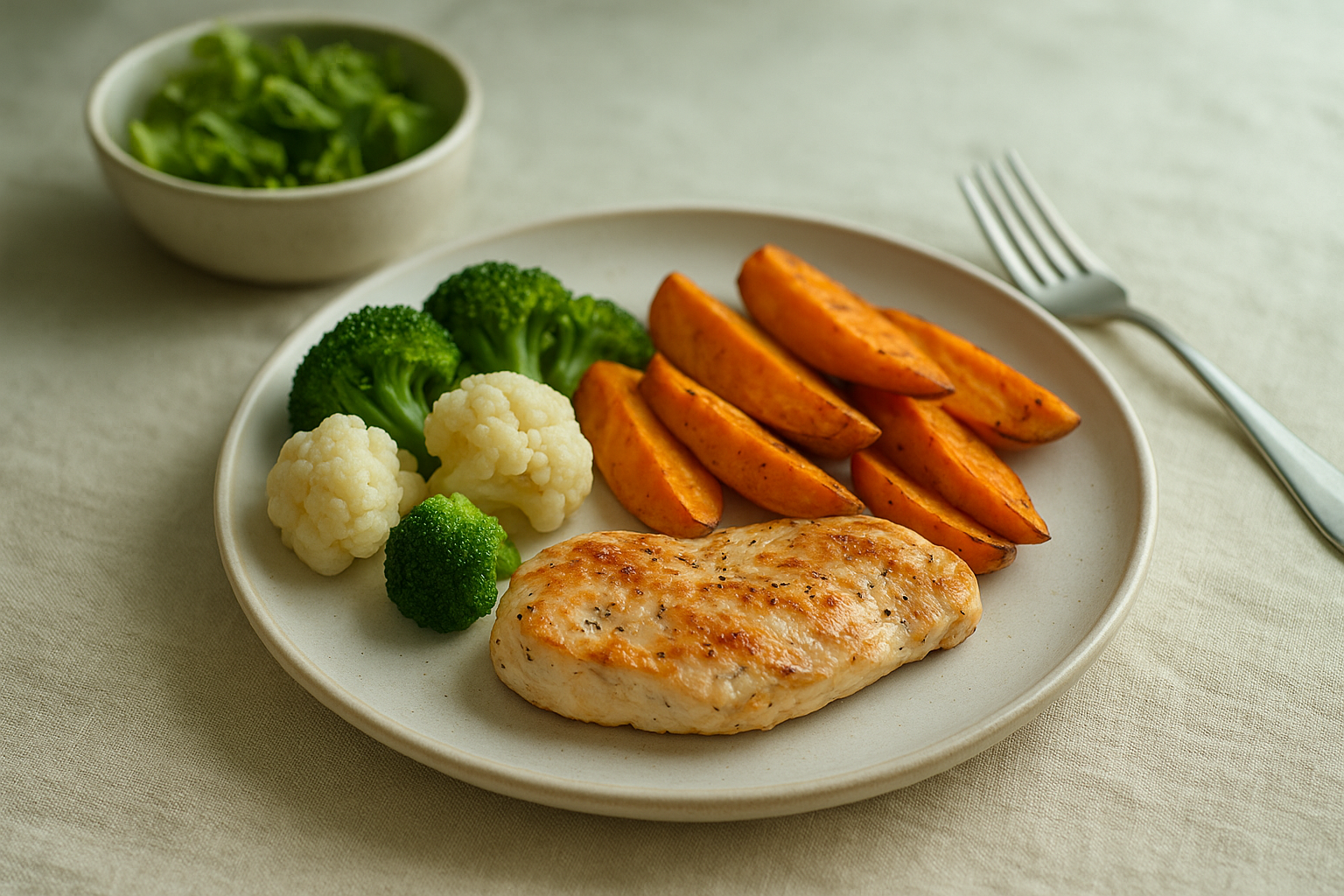
Many people look for ways to lose weight quickly and naturally, hoping to find a plan they can start right away. The science of weight loss centers on creating an energy deficit – consuming fewer calories than your body burns Source.
Federal health guidelines suggest that a daily deficit of 500 to 750 calories can lead to a healthy weight loss of 1 to 2 pounds per week for most adults. Faster initial results often come from a combination of calorie reduction, lower sodium intake, and increased fiber and protein.
How Rapid Weight Loss Works
Short-term rapid weight loss is typically driven by three factors:
- Calorie Reduction: Consistently eating fewer calories than your body needs. A balanced smoothie made with whole-food ingredients can help control calories and provide essential micronutrients.
- Reduced Water Retention: Limiting sodium and refined carbohydrates can lead to a quick drop in water weight, showing faster initial scale changes. This is a common early effect of dietary changes.
- Increased Satiety: High fiber and protein diets help you feel fuller for longer, making it easier to maintain a calorie deficit without feeling overly hungry Source.
A structured plan, such as a smoothie-based approach, can simplify this process by standardizing portions and nutrient ratios, which helps overcome common dieting challenges.
Clinical Benefits of Structured Plans
Research indicates that structured, lower-calorie approaches offer several advantages for weight management:
- Consistent Calorie Deficit: Pre-portioned meals reduce the need for daily decision-making, which can prevent overeating.
- Appetite Control: Diets rich in fiber and protein are associated with greater feelings of fullness, aiding adherence to a calorie deficit.
- Reduced Water Retention: Temporarily cutting down on sodium and processed carbohydrates can lead to a noticeable initial drop in weight, mainly due to water loss.
- Healthier Habits: Short-term structured plans can act as a "kickstart" for developing long-term healthy eating patterns, which are crucial for sustained weight loss.
- Supported Energy Levels: Well-formulated, nutrient-dense smoothies can provide balanced macronutrients, helping to prevent fatigue sometimes associated with lower-calorie diets.
It's important to remember that no single food or drink causes weight loss in isolation. Any effective tool, including a smoothie plan, works within the context of an overall reduced-calorie eating pattern Source.
Building a 7-Day to 21-Day Plan
For those aiming for faster, natural weight loss, researchers suggest:
- Realistic Goals: Aim for 1–2 pounds of weight loss per week rather than extreme restriction.
- Meal Replacement: Replace 1–2 meals daily with a nutrient-dense smoothie to control calories and portions.
- High Protein and Fiber: Prioritize these nutrients to manage appetite effectively.
- Light Activity: Incorporate at least 30 minutes of brisk walking most days to support long-term weight maintenance.
- Weekly Tracking: Monitor progress weekly instead of daily, as daily weight fluctuations are often due to water and can be discouraging.
Safety and Considerations
A short-term, meal-replacement plan is generally low-risk for healthy adults. However, some points to consider:
- Initial rapid weight changes are mostly water loss, not fat loss.
- Aggressive calorie restriction can lead to fatigue or muscle loss if protein intake is insufficient.
- Individuals who are pregnant, breastfeeding, or managing certain medical conditions (like diabetes, kidney, liver, or heart disease) should consult a healthcare provider before starting any new eating plan.
- People with a history of disordered eating should approach such plans cautiously and ideally under professional guidance.
- A smoothie-based plan is a tool to aid weight management, not a medical treatment for obesity or related health conditions.
Ultimately, lasting weight loss comes from a consistent calorie deficit, supported by adequate fiber, protein, and physical activity. Simple, structured plans can provide the framework to achieve these goals.
Key takeaways
- 01Weight loss is fundamentally about consuming fewer calories than you burn, supported by nutrient-dense foods.
- 02A temporary calorie reduction, lowered sodium, and increased fiber and protein can lead to faster initial weight loss, partly due to reduced water retention.
- 03Structured meal replacement plans, like those using smoothies, can simplify calorie control and improve adherence by reducing decision fatigue.
- 04Fiber and protein are key for satiety, helping you feel full and manage appetite during a calorie-restricted phase.
- 05Combine dietary changes with light, consistent physical activity for better long-term weight maintenance.
Frequently asked
Can I really lose weight fast and naturally?+
Yes, rapid initial weight loss can occur naturally by creating a calorie deficit and reducing water retention through lower sodium and refined carb intake, especially with increased fiber and protein.
What role do smoothies play in weight loss?+
Smoothies can serve as convenient meal replacements that control calories while delivering essential nutrients. When made with whole-food ingredients, they help achieve a calorie deficit without sacrificing important vitamins and minerals.
Are there any side effects to a fast weight loss plan?+
Rapid initial weight loss often includes water loss. Very aggressive calorie restriction can potentially lead to fatigue or muscle loss if protein intake isn't sufficient. Always consult a doctor if you have underlying health conditions before starting a new diet.
How much weight can I expect to lose on such a plan?+
Federal advice suggests aiming for 1–2 pounds per week for sustainable weight loss. While initial losses can be quicker due to water reduction, this pace is generally considered safe and maintainable.
Do I have to do a smoothie diet to lose weight naturally?+
No, a smoothie diet is just one structured approach. The core principles—calorie deficit, high protein/fiber, and reduced processed foods—can be applied through various natural eating patterns. It merely offers a convenient, pre-portioned option.
Sources
Every briefing is drafted from primary sources - official announcements, vendor blogs, and reputable industry reporting - then edited by our pipeline.
More on Weight Management
See all →Jul 20, 2026
Unpacking Weight Loss Claims: The Truth About Fast Results
Claims of rapid weight loss supplements, such as "Trimology Weight Loss Supplements" being endorsed by Shark Tank or celebrities, are often misleading and should be critically evaluated, as they lack scientific evidence and sometimes use deceptive marketing tactics.
Jul 20, 2026
Biological Mechanisms Drive Weight Regain, Not Just Willpower
New research shows that maintaining weight loss is challenging due to biological mechanisms like hormonal changes and metabolic adaptations, rather than a lack of personal discipline.
Jul 20, 2026
Weight Regain: It's Biology, Not Just Your Discipline
New research shows that weight regain after weight loss is largely driven by powerful biological mechanisms and adaptations, not a lack of personal discipline.
Jul 20, 2026
GLP-1 Drugs: More Than a Mirrored Bullet for Weight Loss
GLP-1 medications are changing obesity treatment by regulating appetite and reducing 'food noise,' but sustained success still relies heavily on lifestyle factors like diet and exercise.
Free account
Want to go deeper?
Sign up free to unlock the full daily industry feed, save posts and articles to your library, and chat with the coach about anything you read.