
Diet, Gut Microbiome, and Human Health Interactions Explored
New research in "Nutrition and Microbes" investigates how what we eat influences our gut bacteria and, in turn, our overall health, focusing on the complex interplay between diet, microbiome, and human well-being.
Written by the Fitness Tutor editorial pipeline from 1 primary source. How we source →
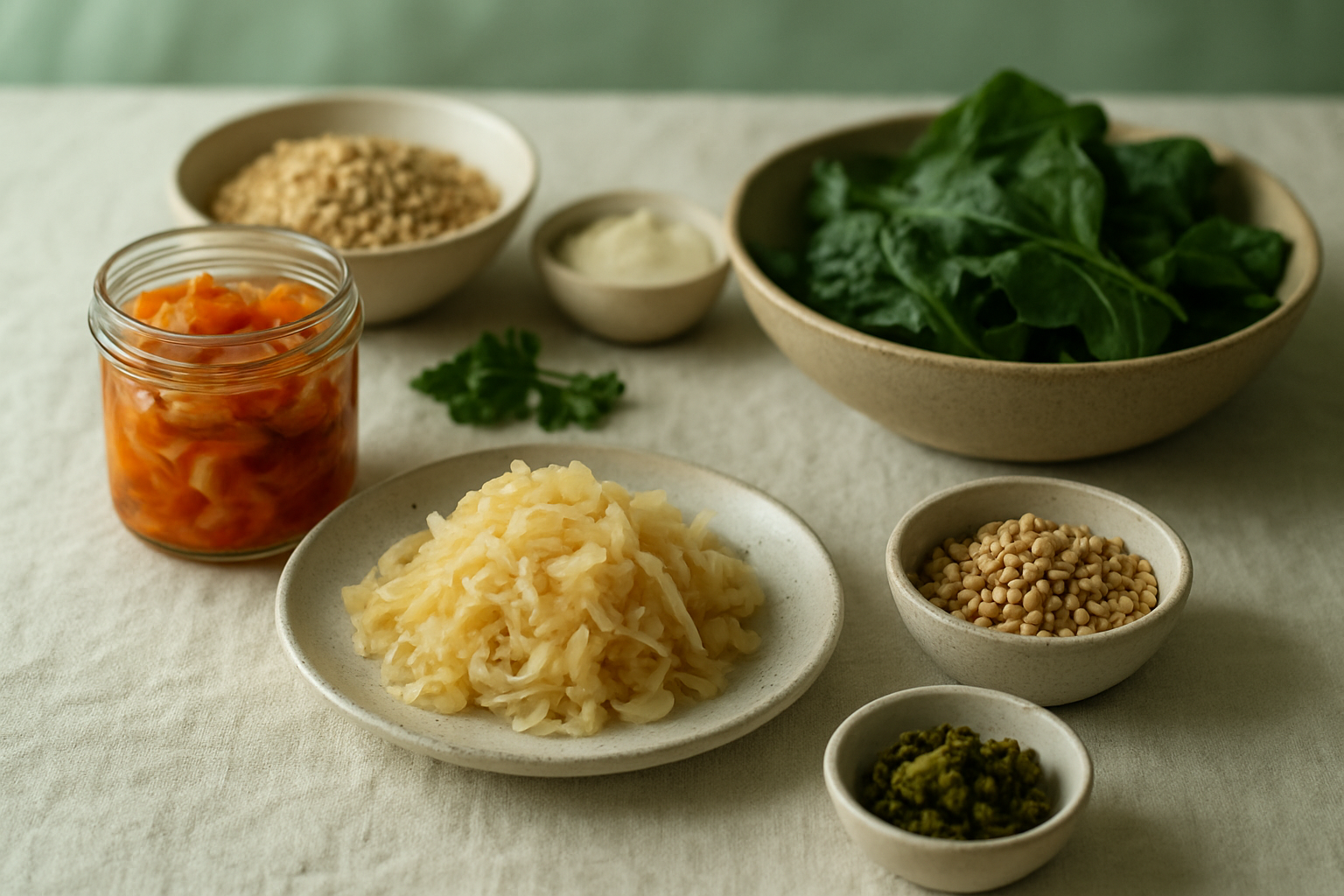
How do your daily food choices impact your internal ecosystem, specifically the billions of microbes living in your gut? The latest research featured in Frontiers in Nutrition's "Nutrition and Microbes" section delves into this crucial question, exploring the intricate relationships between diet, the microbiome, and human health Source.
The Gut-Health Connection
This scientific field investigates both what we eat and how our dietary patterns—from specific nutrients to overall food choices—affect the diverse community of microorganisms in our digestive tract. This research is vital for understanding health in the context of sustainability and 21st-century food science.
Recent articles highlight cutting-edge findings, such as the differential effects of organic and inorganic selenium-enriched Lactobacillus plantarum on bacterial antioxidant capacity and cellular redox homeostasis in intestinal cells. Another study explores how probiotic-fermented Angelica spp. might improve skin hyperpigmentation through the gut-skin axis, involving microbial metabolites like hippuric acid.
Probiotics, Postbiotics, and Metabolic Health
Probiotics and postbiotics are a key focus. For instance, research identifies specific components of pasteurized Akkermansia muciniphila (AKK2645) as a superior postbiotic for metabolic syndrome. This suggests that even non-living microbial components can offer significant health benefits, influencing conditions like metabolic syndrome.
The journal also features a systematic review on the comparative efficacy and safety of probiotics for respiratory tract infections in children. This kind of analysis helps synthesize existing knowledge, providing clearer insights into practical applications of probiotics.
Emerging Research Areas
The field is rapidly expanding, with ongoing research topics including:
- Microbial Bioactives in Fermented Foods: This area looks at the beneficial compounds, such as extracellular vesicles and metabolites, found in fermented foods and their impact on immune health.
- Diet, Gut Microbiota, and Inflammaging: Researchers are investigating how diet and gut bacteria contribute to chronic inflammation associated with aging and age-related degenerative diseases.
- FAIR² Data in Nutrigenomics and Nutrition Methodology: This initiative aims to make research data more Findable, Accessible, Interoperable, and Reusable (FAIR²), strengthening our understanding of how diet, genes, and metabolism interact to influence health.
These research avenues underscore the dynamic and evolving understanding of how deeply our food choices are intertwined with the microbial world within us, ultimately shaping our long-term health and well-being.
By staying informed about these developments, we can better appreciate the science behind food-gut interactions and make more conscious decisions about what we consume.
Key takeaways
- 01Diet directly influences your gut microbiome, impacting overall health and well-being.
- 02Research explores how specific foods and microbial components (probiotics, postbiotics) can offer health benefits.
- 03Emerging studies link dietary patterns, gut bacteria, and conditions like metabolic syndrome and aging-related inflammation.
- 04Understanding the diet-microbiome connection helps make informed choices for better gut health.
- 05Scientific insights into microbial bioactives in fermented foods reveal new pathways for immune health.
Frequently asked
What is the microbiome?+
The microbiome refers to the community of microorganisms, including bacteria, fungi, and viruses, that live in a particular environment, such as the human gut. These microbes play a vital role in digestion, immune function, and overall health.
How does diet affect my gut health?+
Your diet provides nutrients for your gut microbes, influencing their diversity and function. Certain foods can promote the growth of beneficial bacteria, while others may encourage less desirable ones, impacting your digestive and overall health.
What are probiotics and postbiotics?+
Probiotics are live beneficial bacteria found in fermented foods or supplements. Postbiotics are beneficial compounds produced by these bacteria, or even components of dead bacteria, that can also offer health advantages.
Can my diet impact my skin health through my gut?+
Yes, emerging research, like a study on *Angelica spp.*, suggests a gut-skin axis, where microbial metabolites influenced by diet can affect skin conditions such as hyperpigmentation.
Where can I find reliable information on nutrition and microbes?+
Scientific journals like *Frontiers in Nutrition* provide peer-reviewed research on the interactions between diet, the microbiome, and human health, offering evidence-based insights.
Sources
Every briefing is drafted from primary sources - official announcements, vendor blogs, and reputable industry reporting - then edited by our pipeline.
More on Gut Health
See all →Jul 20, 2026
Gut Microbiota & Gestational Diabetes: A Personalized Approach
New insights highlight the gut microbiome's role in gestational diabetes mellitus (GDM), suggesting that personalized approaches based on an individual's gut bacteria could lead to better management and prevention.
Jul 20, 2026
Gut Microbiota & Gestational Diabetes: New Insights
New research explores the significant role of the gut microbiota in gestational diabetes mellitus (GDM), suggesting that understanding these microbial communities could lead to more personalized prevention and management strategies.
Jul 20, 2026
Gut Microbiota Insights for Gestational Diabetes Management
New research explores how understanding the gut microbiome can lead to more personalized and effective strategies for managing gestational diabetes mellitus (GDM).
Jul 20, 2026
Gut Microbiota's Role in Gestational Diabetes Explored
New research explores the connection between gut bacteria and gestational diabetes, suggesting that understanding this link could lead to more personalized prevention and management strategies.
Free account
Want to go deeper?
Sign up free to unlock the full daily industry feed, save posts and articles to your library, and chat with the coach about anything you read.