
Gut Microbiota Insights for Gestational Diabetes Management
New research explores how understanding the gut microbiome can lead to more personalized and effective strategies for managing gestational diabetes mellitus (GDM).
Written by the Fitness Tutor editorial pipeline from 1 primary source. How we source →
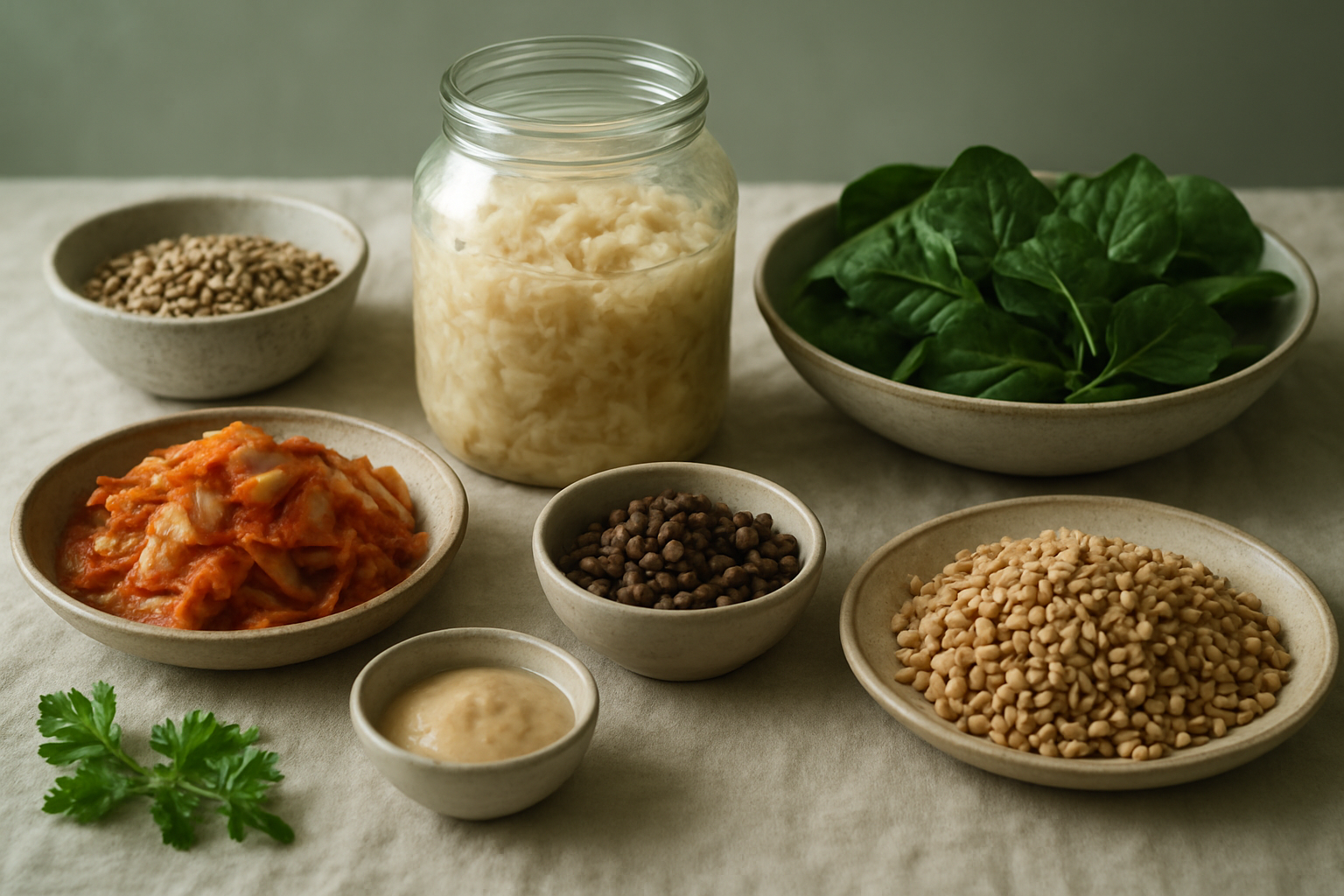
Gestational Diabetes Mellitus (GDM) is a type of diabetes that develops during pregnancy, affecting how a woman's body uses sugar (glucose). Traditionally, management involves diet changes, exercise, and sometimes medication. However, new research highlights the potential of personalizing these strategies by looking at the gut microbiome Source.
The Gut Microbiome and GDM
The gut microbiome refers to the vast community of microorganisms, including bacteria, viruses, fungi, and other microbes, that live in your digestive tract. These microbes play a significant role in many bodily functions, including metabolism, immune regulation, and nutrient absorption. Recent studies suggest a strong connection between the composition of the gut microbiome and the development and progression of GDM.
Changes in the balance of gut bacteria during pregnancy can influence glucose metabolism. An imbalance, often termed dysbiosis, might contribute to insulin resistance, a key factor in GDM. For example, certain bacteria may produce compounds that improve or worsen insulin sensitivity.
Towards Personalized Nutrition
The idea of "personalized medicine" in GDM management means moving beyond a one-size-fits-all approach. Instead, treatments and dietary advice would be tailored to an individual's specific needs. The gut microbiome offers a promising avenue for this personalization.
How Gut Insights Could Help
By analyzing an individual pregnant woman's gut microbiome, healthcare providers might be able to:
- Identify Risk Factors Earlier: Certain microbial signatures could indicate a higher risk of developing GDM, allowing for earlier intervention.
- Optimize Diet: Dietary recommendations could be refined to promote the growth of beneficial bacteria and reduce those associated with negative outcomes. For instance, specific prebiotics or probiotics might be suggested.
- Predict Treatment Response: Knowledge of the gut microbiome might help predict how a woman will respond to various dietary or lifestyle interventions, or even medications, making treatment more effective.
This approach aims to develop interventions that are not only more effective but also specifically designed for each individual, taking into account their unique biological make-up.
Current Challenges and Future Directions
While the concept is exciting, several challenges remain. The gut microbiome is incredibly complex and can vary significantly between individuals. More research is needed to fully understand which specific bacterial species or functions are most critical in GDM and how to manipulate them safely and effectively.
The Role of Diet
Diet is a primary driver of gut microbiome composition. Eating a diverse range of plant-based foods, including fiber-rich fruits, vegetables, and whole grains, is generally beneficial for gut health. This type of diet can support a diverse and healthy microbial community, which in turn might have positive effects on blood sugar regulation.
The research emphasizes the crucial link between our diet, our gut bacteria, and our metabolic health, particularly during vulnerable periods like pregnancy. Understanding these connections can pave the way for more targeted and preventive strategies, helping to ensure healthier outcomes for both mother and child.
Key takeaways
- 01The gut microbiome plays a significant role in glucose metabolism and the development of Gestational Diabetes Mellitus (GDM).
- 02Personalized GDM management could involve using gut microbiome analysis to tailor dietary and lifestyle interventions.
- 03Understanding an individual's gut bacteria might help identify GDM risks earlier and optimize treatment responses.
- 04Dietary choices heavily influence gut microbiome composition, impacting metabolic health during pregnancy.
- 05Future research aims to better understand specific microbial roles in GDM for more effective, targeted interventions.
Frequently asked
What is gestational diabetes mellitus (GDM)?+
GDM is a type of diabetes that occurs only during pregnancy, where the body cannot produce enough insulin or use it effectively to regulate blood sugar levels.
How does the gut microbiome relate to GDM?+
The balance of bacteria in your gut can influence how your body processes sugar. An imbalance might lead to insulin resistance, which is a factor in developing GDM.
Can diet affect my gut microbiome during pregnancy?+
Yes, diet is a major factor. Eating a variety of fiber-rich foods, fruits, vegetables, and whole grains can help support a healthy and diverse gut microbiome, which may be beneficial for blood sugar control.
What does 'personalized medicine' mean for GDM?+
It means that instead of generic advice, your GDM management plan could be customized based on an analysis of your unique gut bacteria, making dietary and lifestyle recommendations more effective for you.
Sources
Every briefing is drafted from primary sources - official announcements, vendor blogs, and reputable industry reporting - then edited by our pipeline.
More on Gut Health
See all →Jul 20, 2026
Gut Microbiota & Gestational Diabetes: A Personalized Approach
New insights highlight the gut microbiome's role in gestational diabetes mellitus (GDM), suggesting that personalized approaches based on an individual's gut bacteria could lead to better management and prevention.
Jul 20, 2026
Gut Microbiota & Gestational Diabetes: New Insights
New research explores the significant role of the gut microbiota in gestational diabetes mellitus (GDM), suggesting that understanding these microbial communities could lead to more personalized prevention and management strategies.
Jul 20, 2026
Gut Microbiota's Role in Gestational Diabetes Explored
New research explores the connection between gut bacteria and gestational diabetes, suggesting that understanding this link could lead to more personalized prevention and management strategies.
Jul 20, 2026
Diet, Gut Microbiome, and Human Health Interactions Explored
New research in "Nutrition and Microbes" investigates how what we eat influences our gut bacteria and, in turn, our overall health, focusing on the complex interplay between diet, microbiome, and human well-being.
Free account
Want to go deeper?
Sign up free to unlock the full daily industry feed, save posts and articles to your library, and chat with the coach about anything you read.