
How to Lose Weight Sustainably: A Nutrition Tutor Guide
Learn how to achieve lasting weight loss by focusing on gradual, healthy habits rather than restrictive fad diets, ensuring better long-term health outcomes.
Written by the Nutrition Tutor Academy teaching team from 3 primary sources. How we source →
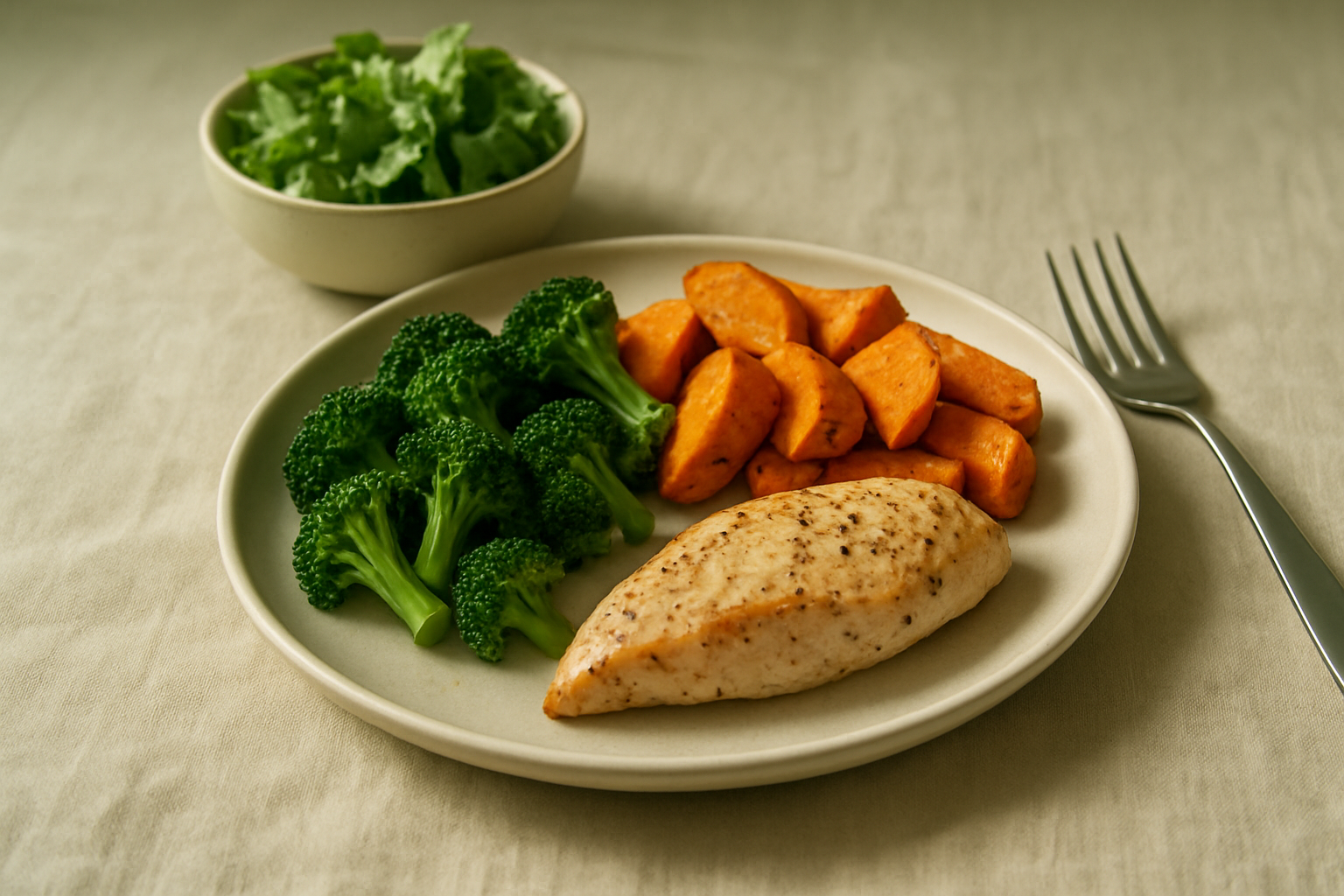
Quick answer: To lose weight sustainably, aim for a gradual reduction of no more than 2 lbs per week, focusing on long-term lifestyle changes like balanced nutrition, regular physical activity, and adequate sleep. Sustainable weight loss prioritizes overall health and body composition rather than rapid, temporary water and muscle loss often seen with crash diets.
Quick facts
- Sustainable weight loss is a maximum of 2 lbs per week.
- Fast weight loss often results in water and muscle loss, not true fat reduction.
- Very low-calorie diets (under 800 calories/day) can cause nutrient deficiencies and gallstones.
- Lifestyle modifications are more effective for long-term weight management than fad diets.
- Healthy weight loss improves body composition, preserving muscle mass.
Achieving and maintaining a healthy weight is a common goal, but the term "weight loss" often brings to mind quick fixes and restrictive diets. However, true health and lasting results come from a sustainable approach.
What is considered sustainable weight loss?
Sustainable weight loss involves a gradual and consistent reduction in body weight that can be maintained over time by adopting healthy lifestyle habits. A realistic and sustainable goal for weight loss is typically no more than 2 lbs per week Source. This pace allows your body to adapt, and it encourages the development of habits grounded in nutritious eating and healthy exercise, which are crucial for long-term success. Focusing on lifestyle changes rather than temporary fad diets increases the likelihood of maintaining a healthy weight.
Why are rapid weight loss methods not sustainable?
Rapid weight loss methods, often promoted by fad diets, promise accelerated weight loss, sometimes up to 10-15 lbs per week. These approaches are typically characterized by very low-calorie eating plans, diet pills, detox juices, or extreme fasting regimens. While they may result in initial weight reduction, the lost pounds are primarily from water and muscle, not true fat. Losing weight rapidly means you’re likely losing water and muscle and will probably regain the weight quickly Source. Such diets also often lead to nutrient deficiencies and do not teach sustainable healthy habits. Over time, fast weight loss can negatively impact hormones involved in appetite regulation and metabolism.
How does slow versus fast weight loss affect body composition?
Studies show a significant difference in body composition between fast and slow weight loss. For instance, one study compared losing 5% of body weight in 5 weeks (fast) versus 15 weeks (slow). Both groups lost weight, but the slow weight loss group lost more fat and less muscle. This improved body composition is vital because preserving muscle mass helps maintain a healthier metabolism. Rapid weight loss can lead to a decrease in muscle mass, which can negatively impact metabolism in the long term, making future weight management more challenging.
What health risks are associated with losing weight too quickly?
Losing weight too quickly can pose several health risks. Very low-calorie diets, often less than 800 calories per day, are generally not recommended due to potential issues such as:
- Nutrient deficiencies
- Dehydration
- Gallstones
- Ongoing slow metabolism
Additionally, rapid weight loss can cause hormonal imbalances (affecting leptin and ghrelin, which regulate appetite), electrolyte abnormalities, mood problems, and can even promote disordered eating patterns. Ultimately, these risks make rapid weight loss unsafe and often lead to regaining the lost weight.
What are the key components of a healthy, sustainable weight loss plan?
A healthy and sustainable approach to weight loss focuses on comprehensive lifestyle interventions rather than just calorie restriction. The Academy of Nutrition and Dietetics recommends integrating several key components:
- Eating Nutritious Foods: Prioritizing whole, unprocessed foods, including plenty of fruits, vegetables, lean proteins, and whole grains.
- Moving More: Incorporating regular physical activity that is enjoyable and sustainable for your routine.
- Addressing Eating Behaviors: Understanding and modifying habits related to food, including emotional eating or portion control.
- Building a Healthy Sleep Routine: Ensuring adequate and restful sleep, as sleep significantly impacts hormones that regulate appetite and metabolism.
Working with a dietitian or healthcare professional can help tailor an individualized plan that is sustainable, enjoyable, accessible, and affordable. This personalized approach addresses individual needs and factors such as food accessibility, medical conditions, hormone levels, and cooking skills, which all play a role in weight management.
Key takeaways
- 01You should aim for gradual weight loss of no more than 2 lbs per week for sustainable results.
- 02Fad diets promising rapid weight loss often lead to muscle and water loss, not true fat reduction, and usually result in weight regain.
- 03Prioritize lifestyle changes, including nutritious eating and regular exercise, rather than restrictive, temporary diets.
- 04Rapid weight loss can lead to nutrient deficiencies, gallstones, and metabolic slowdown.
- 05Consult a healthcare professional to develop a personalized, sustainable weight loss plan tailored to your needs.
Frequently asked
What is considered a healthy rate of weight loss?+
A healthy rate of weight loss is typically a maximum of 2 lbs per week, as recommended by health organizations like the CDC.
Why is fast weight loss not recommended?+
Fast weight loss is not recommended because it often leads to the loss of water and muscle instead of fat, can cause nutrient deficiencies, and often results in quick weight regain.
Can crash diets be harmful?+
Yes, crash diets can be harmful, leading to nutrient deficiencies, dehydration, gallstones, hormonal imbalances, and a slowed metabolism.
What makes a weight loss plan sustainable?+
A weight loss plan is sustainable when it focuses on gradual, long-term lifestyle changes, including good nutrition, regular physical activity, and healthy sleep, rather than extreme restrictions.
Does muscle loss impact metabolism?+
Yes, muscle loss can negatively impact metabolism in the long term, making it harder for your body to burn calories effectively.
Are weight loss supplements effective for sustainable results?+
There is generally not enough evidence to support the claims that weight loss supplements provide effective or sustainable results for fat loss.
What are some practical steps for sustainable weight loss?+
Practical steps include consistently eating nutritious foods, engaging in regular physical activity, managing eating behaviors, and maintaining a healthy sleep schedule.
Sources
Every lesson is drafted from primary sources - official announcements, vendor blogs, and reputable industry reporting - then edited by our pipeline.
More on Weight Management
See all →Aug 3, 2026
How Many Calories to Lose a Pound?
To lose one pound of body fat, you generally need to create a calorie deficit of approximately 3,500 calories.
Jul 20, 2026
Unpacking Weight Loss Claims: The Truth About Fast Results
Claims of rapid weight loss supplements, such as "Trimology Weight Loss Supplements" being endorsed by Shark Tank or celebrities, are often misleading and should be critically evaluated, as they lack scientific evidence and sometimes use deceptive marketing tactics.
Jul 20, 2026
Weight Regain: It's Biology, Not Just Your Discipline
New research shows that weight regain after weight loss is largely driven by powerful biological mechanisms and adaptations, not a lack of personal discipline.
Free account
Want to go deeper?
Sign up free to unlock the full daily industry feed, save posts and articles to your library, and chat with the coach about anything you read.