
What's the Best Protein for Muscle Growth Over 50?
Discover how protein intake supports muscle maintenance and growth in individuals over 50, and learn about optimal types and timing for maximizing benefits.
Written by the Nutrition Tutor Academy teaching team from 3 primary sources. How we source →
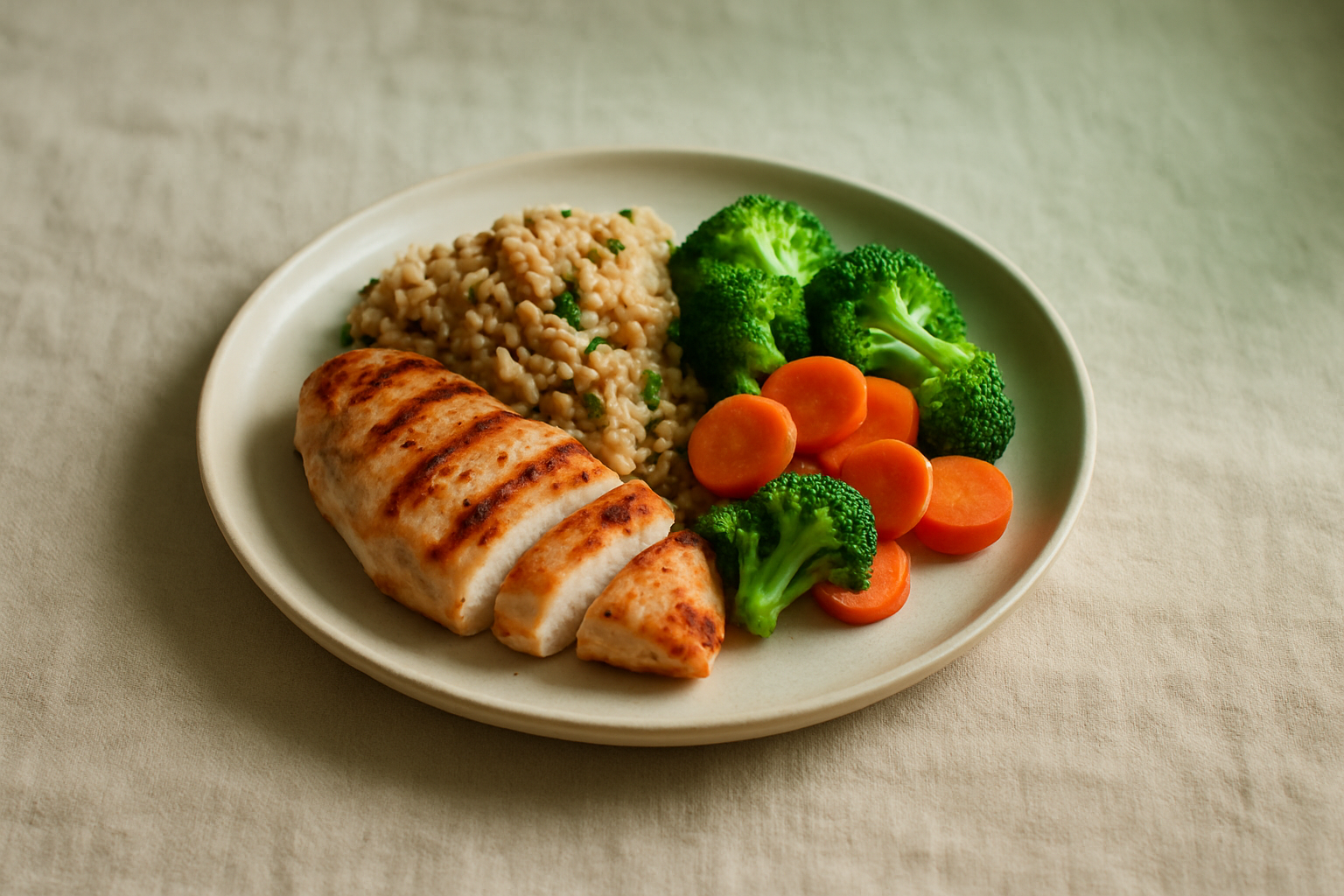
Quick answer: For individuals over 50 aiming to maintain and build muscle, high-quality protein sources are crucial. Whey protein, casein, and plant-based options like soy or pea protein are effective. Emphasis should be placed on consuming sufficient total protein throughout the day, particularly around exercise, to counteract age-related muscle loss and support muscle protein synthesis.
Quick facts
- Individuals over 50 generally require more protein per kilogram of body weight than younger adults.
- Aim for 1.2 to 1.7 grams of protein per kilogram of body weight daily.
- Whey protein is a fast-digesting complete protein, beneficial post-exercise.
- Casein is slow-digesting, providing sustained amino acid release, good before bed.
- Plant-based proteins like soy and pea can be excellent alternatives or additions.
- Spreading protein intake across multiple meals is more effective than consuming it all at once.
Maintaining muscle mass and strength becomes increasingly important as we age, especially after 50. Protein, often called the building block of muscle, plays a crucial role in this process. But with so many options, which protein is truly best for older adults?
Why is Protein Especially Important for Muscle Over 50?
As individuals age, the body's ability to synthesize new muscle proteins can become less efficient, a phenomenon known as anabolic resistance. This means that older adults may need a higher intake of protein to stimulate muscle protein synthesis compared to younger individuals. Adequate protein helps counteract age-related muscle loss (sarcopenia), maintain strength, and support overall physical function. Without sufficient protein, the body may break down existing muscle tissue for energy and repair, leading to a decline in muscle mass over time.
How Much Protein Do You Need After 50?
General recommendations suggest that adults over 50 aiming to preserve or build muscle should target a higher protein intake than the standard recommended dietary allowance (RDA). While the RDA is 0.8 grams of protein per kilogram (g/kg) of body weight, research suggests older adults may benefit from 1.2 to 1.7 g/kg of body weight daily. For example, a 70 kg (approximately 154 lb) individual might aim for 84 to 119 grams of protein per day. This higher intake supports muscle protein synthesis and helps combat anabolic resistance.
What Types of Protein are Most Effective?
Several types of protein are highly effective for muscle maintenance and growth, particularly for individuals over 50. The 'best' type often depends on individual preferences, dietary restrictions, and timing of consumption.
- Whey Protein: Derived from milk, whey is a complete protein, meaning it contains all nine essential amino acids. It is rapidly digested and absorbed, making it an excellent choice for post-exercise recovery to quickly provide amino acids for muscle repair and growth. Its high leucine content, an amino acid critical for stimulating muscle protein synthesis, is particularly beneficial.
- Casein Protein: Also milk-derived, casein is a complete protein that digests slowly. This slow release of amino acids provides a sustained supply to muscles, which can be advantageous, especially before bedtime, to prevent muscle breakdown during an overnight fast. Some research indicates that consuming protein prior to exercise, regardless of source, may influence substrate metabolism and performance Source.
- Plant-Based Proteins: Options like soy, pea, rice, and hemp protein can be effective, especially for those following vegetarian or vegan diets. Soy protein is a complete protein, while pea protein is also rich in essential amino acids and digests well. Combining different plant proteins can ensure a full spectrum of amino acids. For instance, combining rice and pea protein can create a more complete amino acid profile similar to animal proteins.
- Whole Food Sources: Don't forget that whole foods are excellent protein sources. Lean meats (chicken, turkey, beef), fish (salmon, tuna), eggs, dairy products (Greek yogurt, cottage cheese), legumes (lentils, beans), and nuts all contribute valuable protein and other essential nutrients.
When Should You Consume Protein for Optimal Muscle Benefits?
Timing protein intake strategically can further enhance its benefits for muscle health in older adults. Spreading protein intake throughout the day, rather than consuming it all in one or two large meals, appears more effective for stimulating muscle protein synthesis. Aim for 25-40 grams of high-quality protein per meal, across 3-4 meals. Consuming protein shortly after exercise (within 1-2 hours) is particularly beneficial as muscles are more receptive to nutrient uptake for repair and growth during this
Key takeaways
- 01Individuals over 50 often benefit from higher protein intake (1.2-1.7 g/kg body weight) to counteract age-related muscle loss.
- 02Whey, casein, and various plant-based proteins (soy, pea) are effective choices, each offering unique digestion rates.
- 03Distribute protein intake throughout the day (25-40g per meal) and prioritize post-exercise consumption for optimal muscle repair and synthesis.
- 04Beyond supplements, emphasize whole food protein sources like lean meats, fish, eggs, dairy, and legumes for comprehensive nutrition.
- 05Consistent resistance training combined with adequate protein intake is crucial for maintaining and building muscle strength and mass.
Frequently asked
Can I get enough protein from food alone after 50?+
Yes, many individuals can meet their increased protein needs through a balanced diet rich in lean meats, poultry, fish, eggs, dairy, legumes, and nuts. Protein supplements can be a convenient way to bridge gaps if dietary intake is insufficient or for specific timing needs.
Is too much protein harmful for older adults?+
For healthy older adults, protein intakes up to 2.0 g/kg of body weight per day are generally considered safe and may be beneficial for muscle health. Individuals with pre-existing kidney conditions should consult a healthcare professional regarding appropriate protein intake.
Do I need protein shakes to build muscle after 50?+
While protein shakes are convenient, they are not strictly necessary if you can meet your protein needs through whole foods. They can be a helpful tool for convenience, especially post-workout, or if you struggle to eat enough protein from meals alone.
What's the best time to take protein for muscle growth over 50?+
Spreading protein intake throughout the day (e.g., 25-40g per meal) is highly effective. Consuming protein immediately after resistance exercise, or within 1-2 hours, is particularly beneficial for muscle repair and synthesis.
Are plant-based proteins as effective as animal proteins for muscle over 50?+
Yes, plant-based proteins can be very effective. While some plant proteins may lack one or more essential amino acids individually, a varied plant-based diet or combining different plant protein sources (e.g., rice and pea protein) can provide a complete amino acid profile comparable to animal proteins.
How does protein help with weight management in older adults?+
Protein is more satiating than carbohydrates or fats, helping you feel fuller for longer, which can support weight management. It also requires more energy to digest, and its role in muscle preservation means it helps maintain a higher metabolic rate, further assisting with body composition.
Sources
Every lesson is drafted from primary sources - official announcements, vendor blogs, and reputable industry reporting - then edited by our pipeline.
More on Macros & Energy
See all →Jan 1, 1970
Carb Cycling Explained: A Guide to Strategic Carbohydrate Intake
This lesson explains carb cycling, a dietary strategy that varies carbohydrate intake daily or weekly to support fitness and health goals, differentiating between high-carb and low-carb days.
Jan 1, 1970
How Many Carbs Should I Eat? A Guide to Daily Carbohydrate Intake
Learn how to determine your ideal daily carbohydrate intake based on your energy needs, activity level, and health goals, ranging from general recommendations to specific dietary approaches.
Jan 1, 1970
High-Protein Foods for Weight Loss: Your Essential Guide
Discover how incorporating high-protein foods can support weight loss by enhancing satiety, preserving muscle, and boosting metabolism.
Jan 1, 1970
How Many Grams of Protein Are in an Egg?
This lesson details the typical protein content of an egg, factors influencing it, and how to incorporate eggs into a protein-rich diet.
Free account
Want to go deeper?
Sign up free to unlock the full daily industry feed, save posts and articles to your library, and chat with the coach about anything you read.