
Understanding Macronutrients: How to Calculate Your Macros
This lesson explains what macronutrients are and guides you through understanding their role in your diet, rather than providing a calculation method, as the provided reference does not support macro calculation.
Written by the Nutrition Tutor Academy teaching team from 3 primary sources. How we source →
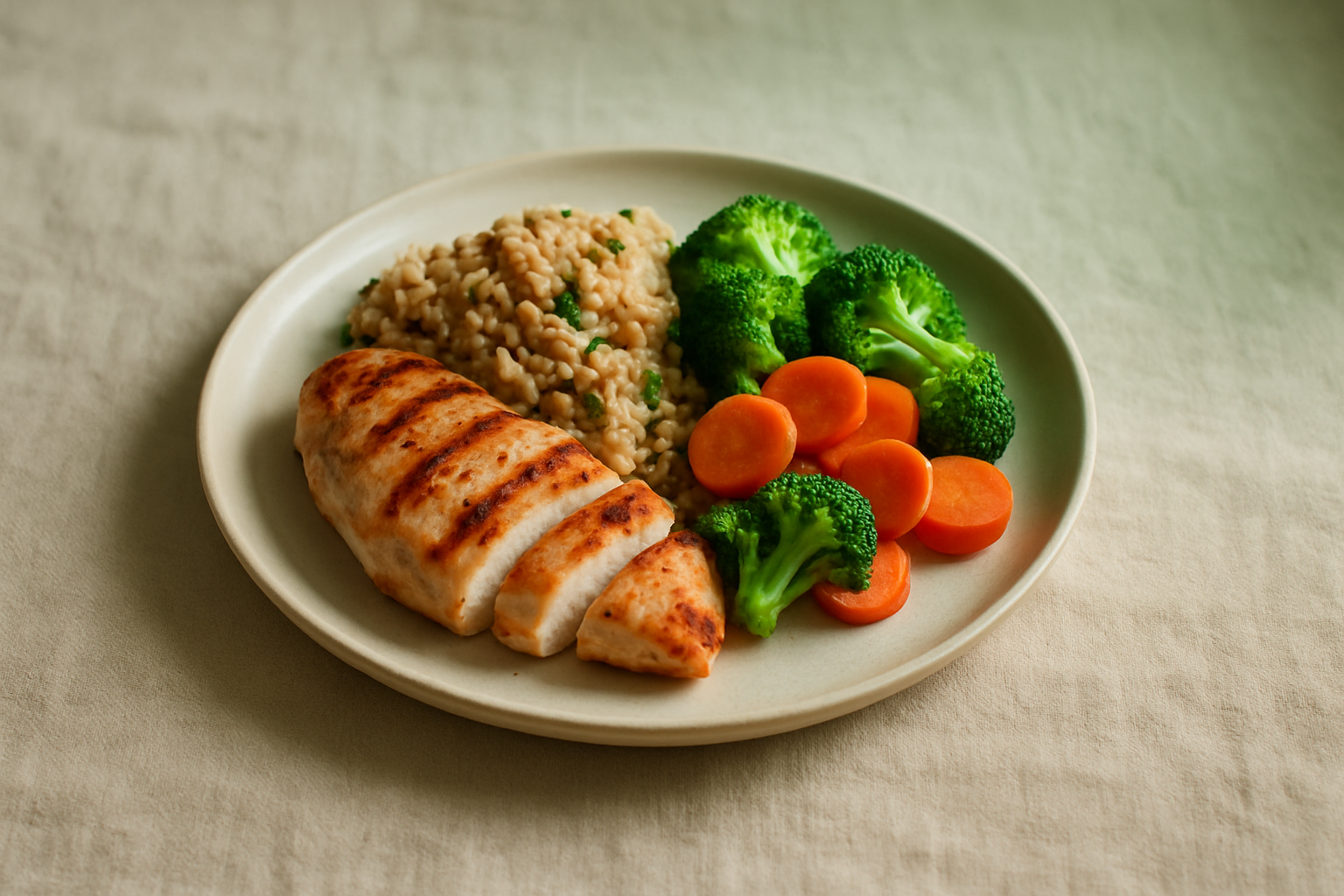
Quick answer: Calculating macros typically involves determining your total daily calorie needs and then allocating specific percentages of those calories to carbohydrates, proteins, and fats. However, precise macro calculation methods are not detailed in the provided Harvard Health reference, which focuses on the health implications of different types of dietary fats.
Quick facts
- Macronutrients are carbohydrates, proteins, and fats, providing the bulk of energy.
- The Harvard Health article discusses the health impact of various fats, like beef tallow and seed oils.
- Unsaturated fats in seed oils are associated with improved cholesterol levels.
- Saturated fats, common in beef tallow, may adversely affect insulin control and blood vessels.
- Olive oil is highlighted for its heart-healthy benefits, including improved cholesterol and blood pressure.
Many people are interested in "how to calculate my macros" to fine-tune their diet. Macronutrients—carbohydrates, proteins, and fats—are essential nutrients your body needs in larger quantities to provide energy and perform vital functions. While determining specific macro ratios is a common goal, the provided reference from Harvard Health focuses on the quality and health impact of different types of fats within a diet.
What are Macronutrients and Why are They Important?
Macronutrients are the building blocks of your diet. Carbohydrates are the body's primary source of energy, proteins are crucial for building and repairing tissues, and fats are vital for hormone production, nutrient absorption, and long-term energy storage. A balanced intake of these three is fundamental for overall health.
Why is Understanding Dietary Fats Important for Health?
Understanding dietary fats is paramount because not all fats are created equal. The Harvard Health article emphasizes that replacing animal fats, which are high in saturated fat, with plant-based oils containing unsaturated fat, is linked to a lower risk of heart disease Source. For example, beef tallow contains more than 50% saturated fat and is associated with adverse effects, such as rises in harmful LDL cholesterol and worsening insulin control.
How Do Different Fats Impact Heart Health?
Different fats have distinct effects on cardiovascular health. Unsaturated fats, found in seed oils like canola, corn, and sunflower oils, are shown to improve cholesterol levels and do not increase inflammation, contrary to some popular beliefs. These fats help increase receptors on liver cells that remove harmful LDL cholesterol from the bloodstream. In contrast, saturated fats tend to reduce these receptors, allowing more LDL to accumulate in arteries, increasing heart disease risk Source.
What are Examples of Heart-Healthy Fat Choices?
Choosing heart-healthy fats involves prioritizing plant-based sources. Olive oil, for instance, has extensive research supporting its health benefits, including improvements in heart-related risks like cholesterol, blood pressure, and diabetes. Replacing butter with olive oil or other liquid plant oils is associated with a lower risk of dying from heart disease. Nuts, soy foods, and other legumes also provide beneficial unsaturated fats, contributing to a healthy diet.
How Can I Incorporate Healthier Fats into My Diet?
Incorporating healthier fats can be done through simple dietary swaps. For example, use olive oil for cooking instead of butter. Opt for plant-based proteins like nuts and legumes over red meat and full-fat dairy, which are higher in saturated fats. If consuming dairy, consider limiting full-fat versions to about one serving per day, or two if you don't eat meat, as advised by nutrition experts. This approach naturally boosts your intake of unsaturated fats while reducing saturated fat intake, aligning with guidelines for cardiovascular health.
Worked Example: Incorporating Healthier Fats
Let's say your current breakfast includes butter on toast and a side of bacon. To shift towards heart-healthy fats, you could:
- Replace Butter: Instead of butter on toast, use a small amount of avocado spread or a drizzle of olive oil. These provide monounsaturated fats.
- Swap Protein: Instead of bacon, consider a handful of almonds or a serving of tofu scramble. These choices offer unsaturated fats and plant-based protein.
- Dairy Choice: If you enjoy yogurt, choose a plain, low-fat or fat-free Greek yogurt and add some chia seeds for extra healthy fats, rather than a full-fat, flavored version.
These small changes can significantly impact your overall fat intake and contribute to better heart health, consistent with the principles highlighted in the Harvard Health discussion on dietary fats.
Key takeaways
- 01Macronutrients (carbohydrates, proteins, fats) are essential for energy and bodily functions.
- 02The quality of fats in your diet significantly impacts heart health, as highlighted by Harvard Health.
- 03Unsaturated fats (e.g., from seed oils, olive oil) are linked to lower LDL cholesterol and reduced heart disease risk.
- 04Saturated fats (e.g., in beef tallow) may raise harmful LDL cholesterol and negatively impact metabolic health.
- 05Prioritize plant-based fats and proteins to enhance cardiovascular health and improve dietary fat balance.
Frequently asked
What are the three main macronutrients?+
The three main macronutrients are carbohydrates, proteins, and fats. They provide the body with energy and are crucial for various physiological processes.
Are all fats bad for your heart?+
No, not all fats are bad. Unsaturated fats, found in sources like seed oils and olive oil, are considered heart-healthy and can help lower harmful LDL cholesterol levels. Saturated and trans fats, however, can be detrimental to heart health.
Why is beef tallow considered less healthy than seed oils?+
Beef tallow is high in saturated fat, which has been associated with increased LDL cholesterol, worsening insulin control, and blood vessel dysfunction. Seed oils, rich in unsaturated fats, have been shown to improve cholesterol levels and do not increase inflammation.
Can olive oil improve heart health?+
Yes, extensive research indicates that olive oil consumption is associated with improvements in heart-related risk factors such as cholesterol levels, blood pressure, and diabetes.
What dietary changes can I make to include more healthy fats?+
You can incorporate more healthy fats by replacing animal fats like butter with plant-based oils (e.g., olive oil), choosing plant-based proteins like nuts and legumes over red meat, and limiting full-fat dairy servings.
Sources
Every lesson is drafted from primary sources - official announcements, vendor blogs, and reputable industry reporting - then edited by our pipeline.
More on Macros & Energy
See all →Jan 1, 1970
Carb Cycling Explained: A Guide to Strategic Carbohydrate Intake
This lesson explains carb cycling, a dietary strategy that varies carbohydrate intake daily or weekly to support fitness and health goals, differentiating between high-carb and low-carb days.
Jan 1, 1970
How Many Carbs Should I Eat? A Guide to Daily Carbohydrate Intake
Learn how to determine your ideal daily carbohydrate intake based on your energy needs, activity level, and health goals, ranging from general recommendations to specific dietary approaches.
Jan 1, 1970
High-Protein Foods for Weight Loss: Your Essential Guide
Discover how incorporating high-protein foods can support weight loss by enhancing satiety, preserving muscle, and boosting metabolism.
Jan 1, 1970
How Many Grams of Protein Are in an Egg?
This lesson details the typical protein content of an egg, factors influencing it, and how to incorporate eggs into a protein-rich diet.
Free account
Want to go deeper?
Sign up free to unlock the full daily industry feed, save posts and articles to your library, and chat with the coach about anything you read.