
Plant-Based Diets May Lower CRP, a Marker of Inflammation
A new meta-analysis suggests that adopting plant-based dietary patterns can significantly reduce C-reactive protein (CRP) levels, a key indicator of chronic inflammation, compared to omnivorous diets.
Written by the Fitness Tutor editorial pipeline from 1 primary source. How we source →
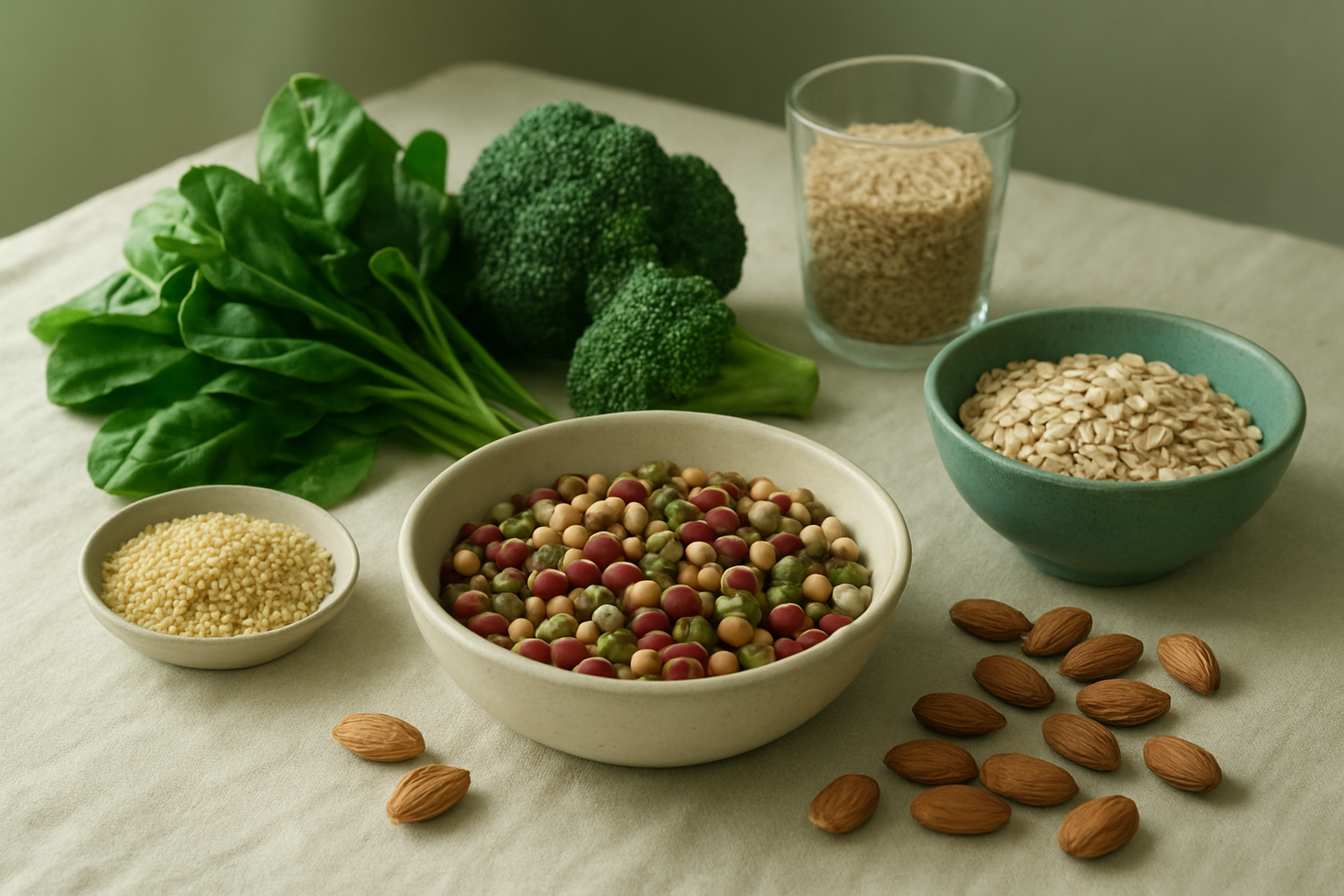
Plant-Based Diets and Inflammation: What's New?
Eating a plant-based diet might help reduce chronic inflammation in your body. A recent meta-analysis, published in Nutrition, Metabolism and Cardiovascular Diseases, found that plant-based eating patterns significantly lowered levels of C-reactive protein (CRP) compared to omnivorous diets Source.
Understanding C-Reactive Protein (CRP)
CRP is a well-known biomarker for inflammation in the body. Elevated CRP levels are associated with "inflammageing," a term for chronic low-grade inflammation that can speed up many age-related diseases. It's also an independent predictor of cardiovascular events.
Previous observational studies have hinted at a connection between plant-based diets and lower CRP, but establishing a direct cause-and-effect relationship has been less clear until now Source.
The Study's Findings
Researchers conducted a systematic review and meta-analysis of seven clinical trials, involving 541 participants with a median age of 55 years. They compared the effects of plant-based dietary patterns (PBDs) against omnivorous diets on CRP concentrations.
The analysis revealed that consuming plant-based diets was associated with a significant reduction in CRP concentration by -1.13 mg/L. Even after excluding trials that included exercise prescriptions, which can also affect inflammation, plant-based diets still showed a significant reduction in CRP, by -0.94 mg/L. This suggests the dietary pattern itself plays a key role.
Why Plant-Based Diets May Help
What is it about plant-based diets that might contribute to this reduction in inflammation? Plant-based dietary patterns typically provide higher intakes of antioxidants and unsaturated fats compared to diets rich in animal products. Antioxidants help protect cells from damage caused by inflammation, and certain unsaturated fats have anti-inflammatory properties.
What This Means for Your Plate
While this study provides valuable insights, the researchers note that the certainty of the results was low due to high heterogeneity among the included studies and the relatively small number of trials. This means more research is needed to fully confirm these findings.
However, for those looking to eat better and potentially reduce inflammation, incorporating more plant-based foods is a promising strategy. This could include adding more fruits, vegetables, whole grains, nuts, and seeds to your daily meals. Even small shifts towards a more plant-rich diet could contribute to better health outcomes.
This research supports the growing body of evidence suggesting that dietary choices have a profound impact on our health, particularly in managing chronic conditions related to inflammation. More studies will help us understand the full extent of this connection.
Key takeaways
- 01Plant-based diets significantly reduced C-reactive protein (CRP), a key marker of inflammation, in a new meta-analysis.
- 02This reduction in CRP (-1.13 mg/L) suggests plant-based eating could help combat chronic low-grade inflammation.
- 03Even without exercise, plant-based diets lowered CRP, highlighting the diet's direct impact on inflammation.
- 04Plant-based diets are rich in antioxidants and unsaturated fats, which may contribute to their anti-inflammatory effects.
- 05While promising, more research is needed to confirm these findings due to some limitations in the current study.
Frequently asked
What is C-reactive protein (CRP) and why is it important?+
CRP is a substance produced by the liver in response to inflammation. High levels are a sign of chronic low-grade inflammation, linked to age-related diseases and an increased risk of heart problems.
How much can a plant-based diet lower CRP levels?+
The meta-analysis found that plant-based diets reduced CRP concentration by approximately -1.13 mg/L compared to omnivorous diets, a statistically significant decrease.
Does going completely vegan reduce CRP, or do other plant-based diets also help?+
The study refers to "plant-based dietary patterns," which can include various approaches, not just strict veganism. The key is increasing your intake of plant foods rich in antioxidants and healthy fats.
Are there other ways to reduce inflammation besides diet?+
Yes, factors like regular exercise, maintaining a healthy weight, getting enough sleep, and managing stress can also help reduce inflammation in the body.
Should I ask my doctor to check my CRP levels?+
If you have concerns about inflammation or heart health, discussing your CRP levels with your doctor is a good idea. They can help interpret your results and recommend appropriate steps.
Sources
Every briefing is drafted from primary sources - official announcements, vendor blogs, and reputable industry reporting - then edited by our pipeline.
More on Plant-Based
See all →Jul 20, 2026
Dietary Trials Can Be Misleading: Understanding Wash-in & Washout
Short-term nutrition studies often don't account for the time it takes for physiological changes to fully develop or disappear, potentially leading to inaccurate results about dietary effects.
Jul 20, 2026
Dietary Trials Can Be Misleading: Understanding Wash-in & Wash-Out
New research highlights how 'wash-in' and 'wash-out' effects, where the body adapts to or from a diet, can bias short-term nutrition studies, making their conclusions unreliable.
Jul 20, 2026
Vegetables Losing Nutrients Due to Climate Change, Meat Consumption
New research indicates that vegetables are becoming less nutritious due to climate change, with meat consumption identified as a contributing factor to this decline.
Jul 20, 2026
Youth Aren't Eating Enough Healthy Plant Foods Globally
A new global analysis by Tufts University reveals that children and adolescents worldwide, including a notable decline in the US with age, are not consuming sufficient amounts of healthy plant-based foods such as fruits, vegetables, nuts, seeds, beans, and legumes.
Free account
Want to go deeper?
Sign up free to unlock the full daily industry feed, save posts and articles to your library, and chat with the coach about anything you read.