
Youth Aren't Eating Enough Healthy Plant Foods Globally
A new global analysis by Tufts University reveals that children and adolescents worldwide, including a notable decline in the US with age, are not consuming sufficient amounts of healthy plant-based foods such as fruits, vegetables, nuts, seeds, beans, and legumes.
Written by the Nutrition Tutor Academy teaching team from 3 primary sources. How we source →
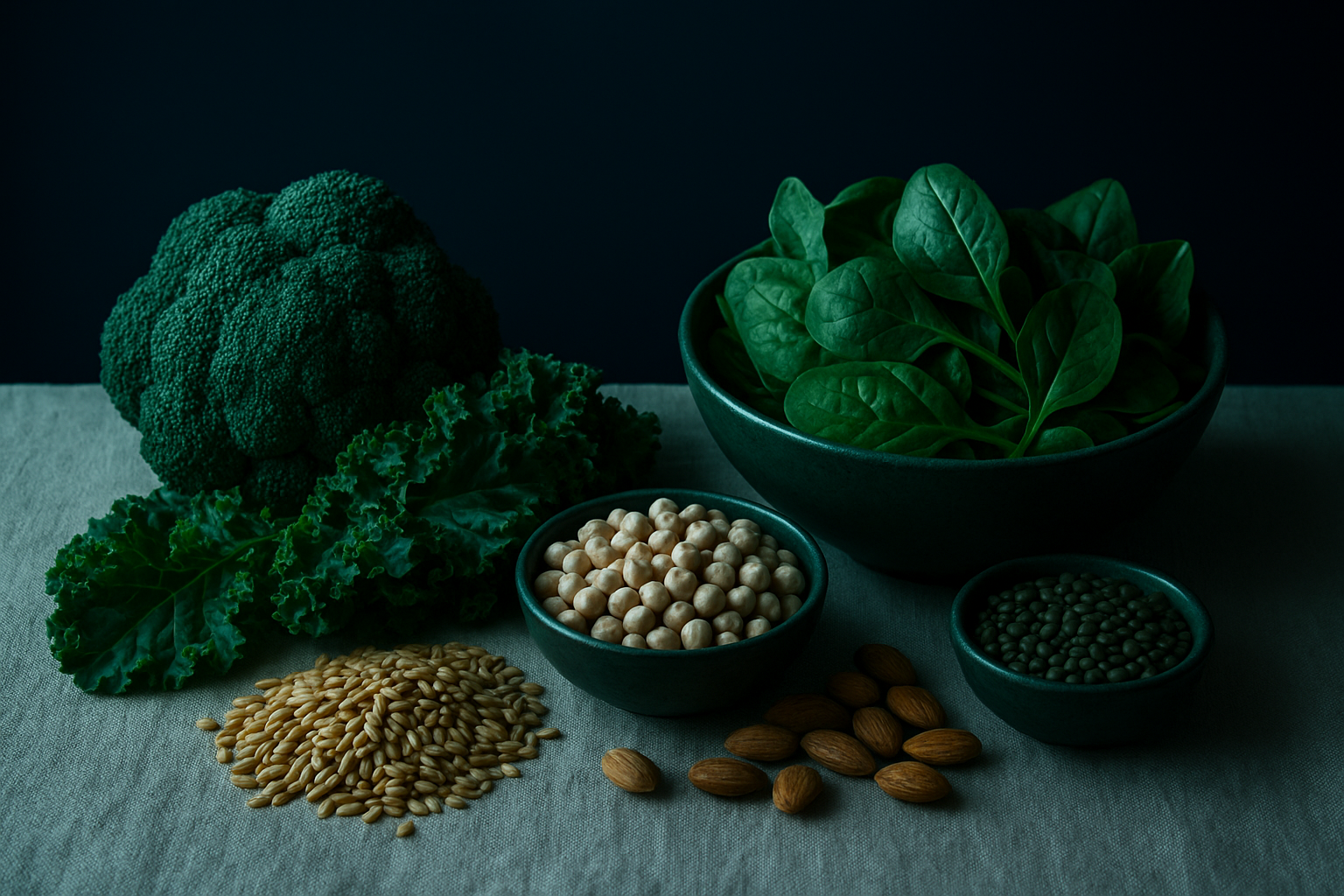
Critical Childhood Nutrition Gaps Identified
New research from Tufts University indicates that youth globally are not consuming enough healthy plant-based foods. This includes essential items like fruits, vegetables, nuts, seeds, beans, and legumes, which are crucial for growth, learning, mood, and long-term health in children Source.
The study, published in BMJ Global Health, analyzed nearly 30 years of dietary data from 185 countries. It found consistently low intake of these healthy plant-based foods among children and adolescents worldwide.
United States Shows Unique Trend
In the United States, researchers observed a distinct pattern: daily consumption of healthy plant-based foods decreased significantly with age. US children had some of the highest intake levels during infancy but dropped to among the lowest in later childhood and adolescence. This contrasts with most other countries where intake either increased or remained stable with age.
For example, children younger than two years in the US consumed 2.7 servings/day, which then fell to just 1.8 servings/day for youth aged 2–19. Sydney Yearley, a lead author on the study, noted that "Dietary habits established during childhood can influence health throughout life, yet we found that consumption of healthy plant-based foods remains low among youth across the globe." Source.
Global and Regional Insights
Globally, children and adolescents consumed relatively low amounts of plant-based foods, ranging from 1.19 servings/day in infants to 3.55 servings/day in 15-19-year-olds. Intake rates were lowest in South Asia across all age groups, while East and Southeast Asian countries showed some of the highest rates, largely due to higher consumption of non-starchy vegetables.
The study also found that total intake of healthy plant-based foods increased globally and in most regions between 1990 and 2018, with the exception of South Asia. On a country level, Vietnam, Congo, and Mexico showed the highest rates, while Spain, Pakistan, and the United Kingdom had the lowest.
Why This Matters for High-Income Countries
The analysis also highlighted that only in high-income countries did the consumption of healthy plant-based foods decrease with age. Researchers suggest this could be influenced by factors such as youth autonomy, differing food environments, or cultural norms prevalent in these regions. As explained by senior author Dariush Mozaffarian, "When children don’t get enough of the right foods, it hurts their bodies and minds, limiting their energy, metabolism, learning, and mood." Source.
These findings underscore the ongoing challenge of ensuring nutritious diets for young populations and present opportunities for businesses to innovate in the plant-based food sector.
Key takeaways
- 01Global youth exhibit low intake of healthy plant-based foods, crucial for development and long-term health.
- 02US consumption of plant-based foods declines significantly from infancy to adolescence, a trend unique among high-income nations.
- 03This research highlights an opportunity for the plant-based food industry to develop appealing and accessible products for children.
- 04Dietary habits established in childhood impact lifelong health, making intervention critical during formative years.
- 05Consumption varies by region, with South Asia having the lowest rates and East/Southeast Asia among the highest.
Frequently asked
What specific plant-based foods are youth not eating enough of?+
The study focused on fruits, non-starchy vegetables, starchy vegetables (excluding potatoes), beans and legumes, and nuts and seeds.
How does this trend impact the plant-based food industry?+
This identifies a clear market need for products tailored to children and adolescents, especially in high-income countries. Businesses can innovate to make healthy plant-based options more appealing and accessible to this demographic.
Are there regional differences in plant-based food consumption among youth?+
Yes, intake was lowest in South Asia and highest in parts of East and Southeast Asia. The US shows a notable decline from infancy to adolescence, contrasting with global trends.
What factors contribute to the decline in plant-based food intake with age in high-income countries?+
Researchers suggest factors like youth autonomy, food environments, and cultural norms may play a role in this trend, indicating a need for targeted strategies.
Sources
Every lesson is drafted from primary sources - official announcements, vendor blogs, and reputable industry reporting - then edited by our pipeline.
More on Plant-Based
See all →Aug 3, 2026
What Are the Best Plant-Based Protein Sources?
Discover a variety of nutrient-dense plant-based foods that provide ample protein, supporting a healthy diet and lifestyle.
Jul 23, 2026
How to Get Enough Protein on a Plant-Based Diet
This lesson explains how to meet your protein needs on a plant-based diet by incorporating diverse plant protein sources into every meal and snack.
Jul 20, 2026
Dietary Trials Can Be Misleading: Understanding Wash-in & Washout
Short-term nutrition studies often don't account for the time it takes for physiological changes to fully develop or disappear, potentially leading to inaccurate results about dietary effects.
Jul 20, 2026
Dietary Trials Can Be Misleading: Understanding Wash-in & Wash-Out
New research highlights how 'wash-in' and 'wash-out' effects, where the body adapts to or from a diet, can bias short-term nutrition studies, making their conclusions unreliable.
Free account
Want to go deeper?
Sign up free to unlock the full daily industry feed, save posts and articles to your library, and chat with the coach about anything you read.