
How to Get Enough Protein on a Plant-Based Diet
This lesson explains how to meet your protein needs on a plant-based diet by incorporating diverse plant protein sources into every meal and snack.
Written by the Nutrition Tutor Academy teaching team from 3 primary sources. How we source →
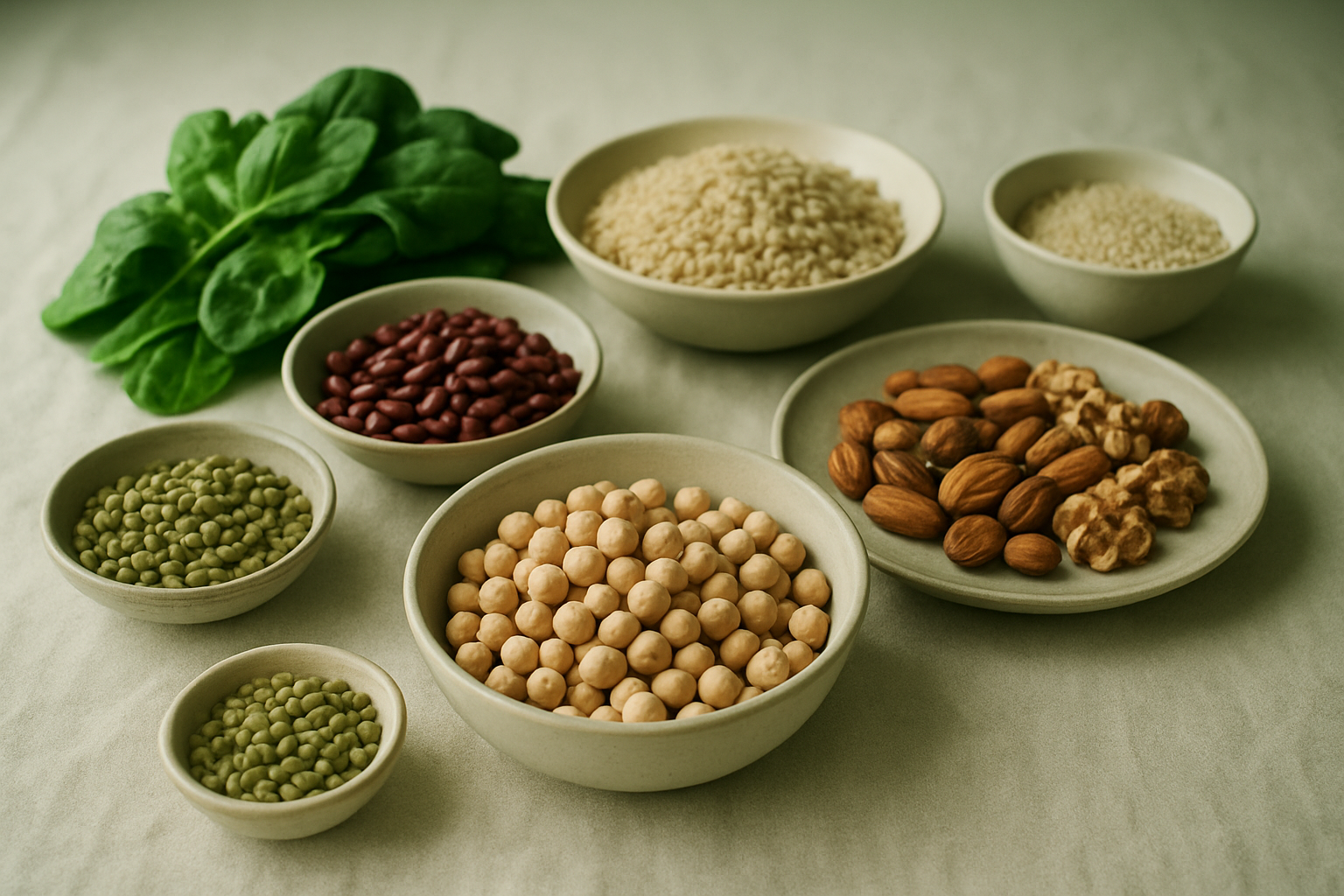
Quick answer: You can absolutely get enough protein on a plant-based diet by including diverse plant protein sources in every meal and snack. Key sources like tofu (11g/half cup), seitan (22g/3/4 cup), edamame (9g/half cup), and lentils (8g/half cup) provide substantial protein, along with healthy fats, fiber, and micronutrients.
Quick facts
- Aim for at least one plant protein source in every meal or snack.
- The Recommended Dietary Allowance (RDA) for protein is 0.36 grams per pound of body weight.
- Active individuals may need up to 0.9 grams of protein per pound of body weight.
- Tofu offers 11 grams of protein per half cup, while seitan provides 22 grams per 3/4 cup.
- Soy milk contains 8 grams of protein per cup, comparable to cow's milk.
- Chia seeds and edamame are complete proteins, containing all essential amino acids.
Many people wonder if it's possible to get enough protein on a plant-based diet. The good news is, you can absolutely achieve your protein goals by strategically incorporating various plant-based sources into your daily meals and snacks Source. The key is variety and consistency.
How much protein do I need per day?
The amount of protein you need largely depends on your body weight and activity level. As a general guideline, the Recommended Dietary Allowance (RDA) for protein is calculated by multiplying your weight by 0.36 grams. For example, a 150-pound individual would aim for approximately 54 grams of protein per day.
Recommended Dietary Allowance (RDA): 0.36 grams of protein per pound of body weight.
However, active individuals and older adults may require more protein, potentially up to 0.9 grams per pound of body weight, to support muscle maintenance and recovery. It is important to consider your individual needs and consult with a healthcare professional or registered dietitian if you have concerns.
Which plant-based foods are good sources of protein?
There's a wide array of plant-based foods rich in protein. Incorporating a variety of these options throughout your day helps ensure you get all essential amino acids. Here are some top choices:
- Tofu: A versatile soy-based food providing 11 grams of protein per 1/2 cup, cooked. It readily absorbs flavors, making it suitable for stir-fries, scrambles, and more Source. Whole tofu is a minimally processed option compared to soy protein isolates.
- Seitan: Made from wheat gluten, seitan is a protein powerhouse with 22 grams per 3/4 cup, cooked. Its meaty texture makes it an excellent substitute for meat in various dishes, though it should be avoided by those with gluten sensitivities.
- Tempeh: This fermented soybean product offers 20 grams of protein per 3/4 cup, cooked. Fermentation aids digestion, and tempeh's chewy texture is great for grilling, baking, or roasting.
- Soy Milk: A convenient beverage, soy milk delivers 8 grams of protein per cup, equivalent to the protein content in a cup of cow's milk.
- Legumes (Beans & Lentils): Beans, such as black beans, kidney beans, and white beans, provide up to 8 grams of protein per 1/2 cup, cooked. Lentils, considered a pulse, offer 8 grams of protein per 1/2 cup, cooked, and are also rich in folate and potassium Source.
- Edamame: These whole soybeans contain 9 grams of protein per 1/2 cup, cooked, and are a complete protein source, meaning they contain all nine essential amino acids. They are also rich in fiber, iron, and B vitamins.
- Seeds: Pumpkin seeds (pepitas) deliver 9 grams of protein per 1 ounce (about 1/4 cup), while chia seeds offer 5 grams of protein in just 2 tablespoons. Chia seeds are a complete protein and are also high in fiber and antioxidants.
How can I incorporate protein into every meal?
The easiest way to ensure adequate protein intake on a plant-based diet is to include at least one source of plant protein in every meal and snack. This strategy helps distribute protein intake throughout the day and keeps you feeling full and satisfied.
Example meal ideas:
- Breakfast: Add chia seeds to oatmeal or yogurt, or make a tofu scramble with vegetables.
- Lunch: Include lentils in a salad, black beans in a burrito bowl, or a seitan sandwich.
- Dinner: Prepare a stir-fry with tofu and edamame, or a tempeh curry with plenty of vegetables.
- Snacks: Munch on pumpkin seeds, roasted edamame, or blend soy milk into a smoothie.
What are complete proteins and why are they important?
Complete proteins are food sources that contain all nine essential amino acids that the human body cannot produce on its own. While animal products are often considered complete proteins, many plant-based foods also qualify or can be combined to form a complete protein profile.
Some plant-based complete proteins include:
- Tofu
- Tempeh
- Edamame
- Chia seeds
- Quinoa
Even if a plant food isn't a complete protein on its own, consuming a variety of plant proteins throughout the day, such as beans with rice, will provide all essential amino acids. Your body combines amino acids from different foods eaten over the course of the day.
Key takeaways
- 01You can successfully meet protein needs on a plant-based diet by including diverse sources.
- 02Calculate your minimum protein needs by multiplying your weight by 0.36 grams; increase for activity.
- 03Incorporate plant proteins like tofu, tempeh, lentils, and seeds into every meal and snack.
- 04Recognize complete plant proteins such as tofu, edamame, and chia seeds.
- 05Embrace variety in your plant protein choices to ensure a full spectrum of nutrients and amino acids.
Frequently asked
How much protein do I need if I'm very active on a plant-based diet?+
Highly active individuals on a plant-based diet may need up to 0.9 grams of protein per pound of body weight to support muscle growth and repair.
Are soy products healthy sources of protein?+
Yes, whole soy products like tofu, tempeh, edamame, and soy milk are healthy and excellent sources of plant-based protein, offering all essential amino acids.
Can I get all essential amino acids from plant proteins?+
Yes, you can get all essential amino acids from plant proteins. Some individual plant foods like tofu and chia seeds are complete proteins, and combining various plant proteins throughout the day also ensures you consume all necessary amino acids.
What are some easy ways to add protein to plant-based meals?+
Easy ways include sprinkling seeds on salads or oats, adding beans or lentils to soups, stews, or burrito bowls, and using tofu or tempeh as main ingredients in stir-fries or sandwiches.
Is seitan a good protein source for everyone?+
Seitan is a great protein source with 22 grams per 3/4 cup, but it is made from wheat gluten and should be avoided by individuals with celiac disease or gluten sensitivity.
Sources
Every lesson is drafted from primary sources - official announcements, vendor blogs, and reputable industry reporting - then edited by our pipeline.
More on Plant-Based
See all →Aug 3, 2026
What Are the Best Plant-Based Protein Sources?
Discover a variety of nutrient-dense plant-based foods that provide ample protein, supporting a healthy diet and lifestyle.
Jul 20, 2026
Dietary Trials Can Be Misleading: Understanding Wash-in & Washout
Short-term nutrition studies often don't account for the time it takes for physiological changes to fully develop or disappear, potentially leading to inaccurate results about dietary effects.
Jul 20, 2026
Dietary Trials Can Be Misleading: Understanding Wash-in & Wash-Out
New research highlights how 'wash-in' and 'wash-out' effects, where the body adapts to or from a diet, can bias short-term nutrition studies, making their conclusions unreliable.
Jul 20, 2026
Vegetables Losing Nutrients Due to Climate Change, Meat Consumption
New research indicates that vegetables are becoming less nutritious due to climate change, with meat consumption identified as a contributing factor to this decline.
Free account
Want to go deeper?
Sign up free to unlock the full daily industry feed, save posts and articles to your library, and chat with the coach about anything you read.