
What Are the Best Plant-Based Protein Sources?
Discover a variety of nutrient-dense plant-based foods that provide ample protein, supporting a healthy diet and lifestyle.
Written by the Nutrition Tutor Academy teaching team from 3 primary sources. How we source →
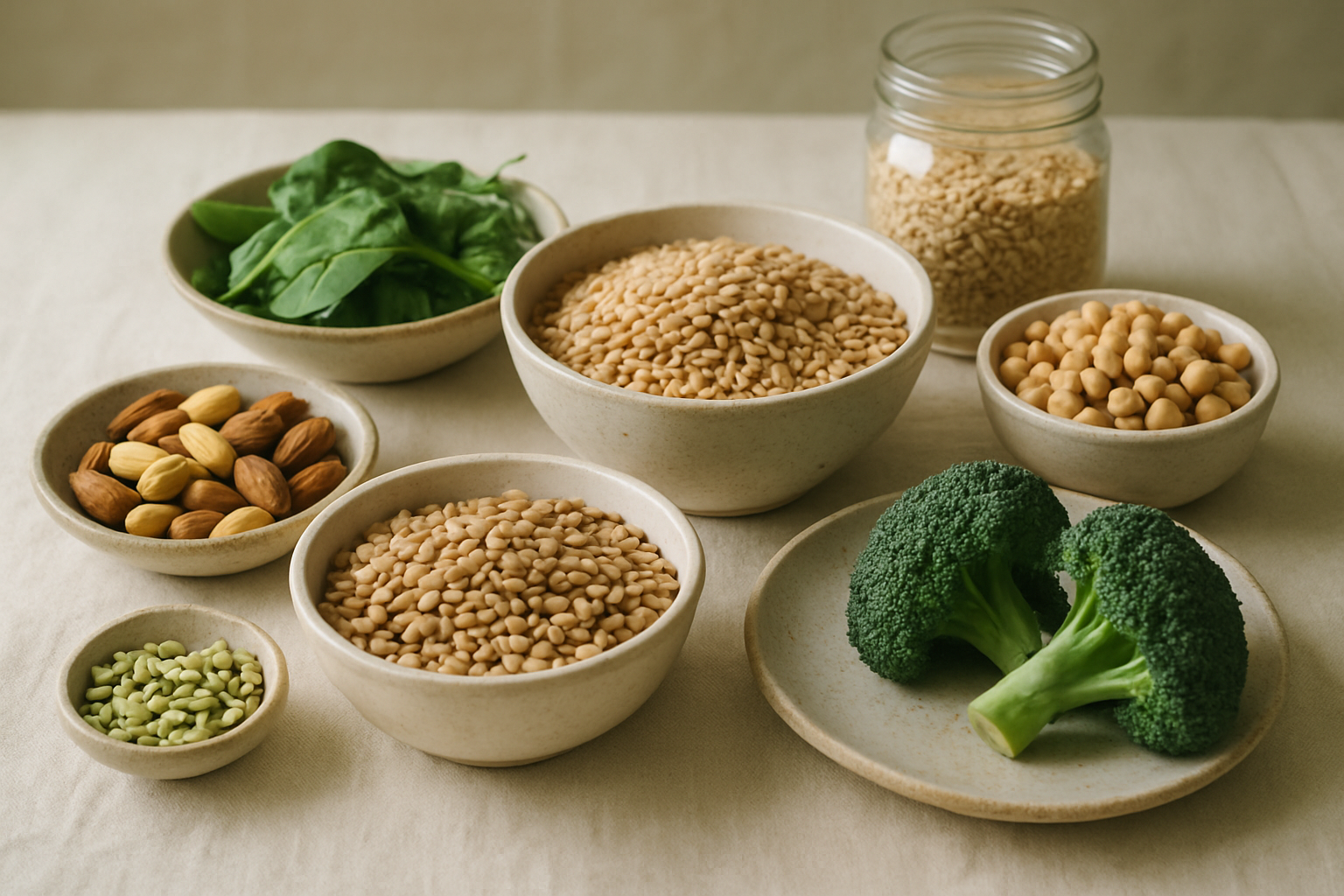
Quick answer: Excellent plant-based protein sources include legumes (beans, lentils, peas), nuts and seeds (almonds, chia, flax), whole grains (quinoa, oats), and certain vegetables (spinach, broccoli). These foods offer not only protein but also essential nutrients like fiber, vitamins, and minerals, which are crucial for overall health and well-being.
Quick facts
- Legumes like lentils and black beans are excellent protein sources.
- Nuts and seeds such as almonds, chia, and flax provide protein and healthy fats.
- Quinoa is a complete protein, meaning it contains all nine essential amino acids.
- Many vegetables, including spinach and broccoli, contribute to daily protein intake.
- Incorporating a variety of plant-based proteins helps meet nutritional needs.
Adopting a plant-based diet or simply increasing plant-based food intake can be a beneficial choice for many, offering a wide array of nutrients beyond just protein. Understanding which plant foods are rich in protein can help in planning balanced and satisfying meals.
What are some top plant-based protein sources?
Several plant-based foods stand out for their protein content. Legumes, such as lentils, chickpeas, black beans, and kidney beans, are among the most versatile and protein-rich options. Nuts like almonds, peanuts, and walnuts, along with seeds such as chia, flax, and hemp seeds, also provide significant protein, often accompanied by healthy fats and fiber. Whole grains, notably quinoa, are another excellent source, with quinoa being a complete protein containing all nine essential amino acids.
How much protein can I get from legumes?
Legumes are powerhouse protein sources. For instance, a half-cup serving of cooked lentils can provide approximately 9 grams of protein, while black beans offer about 7-8 grams per half-cup. These foods are also rich in dietary fiber, which supports digestive health and can help manage blood sugar levels. Incorporating various legumes into your diet, from soups and stews to salads and dips, can easily boost your protein intake.
Worked Example: To get about 15 grams of protein from legumes, you could consume roughly 1 cup of cooked lentils (9g protein per 1/2 cup) or about 1.5 cups of black beans (7.5g protein per 1/2 cup).
Are nuts and seeds good protein sources?
Absolutely. Nuts and seeds are concentrated sources of protein, healthy fats, and micronutrients. For example, a 1-ounce (about 28 grams) serving of almonds provides around 6 grams of protein, and the same amount of chia seeds can offer about 5 grams. Hemp seeds are particularly notable, with about 10 grams of protein per 3 tablespoons. These can be easily added to oatmeal, smoothies, salads, or enjoyed as snacks.
What whole grains provide significant protein?
Quinoa is a standout among whole grains, providing about 8 grams of protein per cooked cup. Unlike most other plant-based proteins, quinoa is considered a complete protein. Other whole grains like oats (about 5 grams per half-cup dry), brown rice (about 5 grams per cooked cup), and farro also contribute to protein intake. Mixing different grains can diversify your nutrient profile.
Can vegetables contribute to my protein needs?
While typically lower in protein per serving compared to legumes or grains, many vegetables do contribute to overall protein intake, especially when consumed in larger quantities as part of a balanced diet. For example, a cup of cooked spinach contains about 5 grams of protein, and a cup of cooked broccoli provides about 4 grams. These vegetables also offer a wealth of vitamins, minerals, and antioxidants. Eating a variety of fruits, vegetables, nuts, seeds, beans, and legumes is foundational for a healthy diet across all age groups Source.
How can I ensure adequate protein on a plant-based diet?
To ensure adequate protein intake on a plant-based diet, focus on incorporating a variety of protein-rich plant foods throughout your day. Combine different sources, such as having lentils with quinoa, or adding seeds to your oatmeal. This approach helps ensure you receive all essential amino acids. Planning meals to include a protein source at each meal and snack can be an effective strategy.
Worked Example: A day's plant-based protein could look like this: oatmeal with hemp seeds for breakfast, a large salad with chickpeas and mixed nuts for lunch, and a dinner of lentil soup with a side of quinoa.
Key takeaways
- 01Legumes, nuts, seeds, and whole grains are primary sources of plant-based protein.
- 02Quinoa is a complete protein, offering all essential amino acids.
- 03A diverse intake of plant proteins ensures a full spectrum of amino acids and other nutrients.
- 04Even vegetables like spinach and broccoli contribute to daily protein goals.
- 05Combining different plant protein sources throughout the day helps meet nutritional needs.
Frequently asked
What is a complete protein in a plant-based diet?+
A complete protein contains all nine essential amino acids that the human body cannot produce on its own. Quinoa, soy products (like tofu and tempeh), and buckwheat are examples of complete plant-based proteins.
Do I need to combine plant proteins to get all essential amino acids?+
While some plant foods are complete proteins, others may lack one or more essential amino acids. However, eating a varied plant-based diet throughout the day will naturally provide all the essential amino acids your body needs. You don't necessarily need to combine specific proteins at every single meal.
Are plant-based proteins as effective as animal proteins for muscle building?+
Yes, plant-based proteins can be just as effective as animal proteins for muscle building and repair, provided overall protein intake is adequate and diverse. Athletes on plant-based diets often achieve excellent results by focusing on protein-rich plant foods.
What are some easy ways to add more plant protein to my diet?+
You can add more plant protein by incorporating lentils or beans into soups and salads, sprinkling nuts and seeds onto yogurt or oatmeal, choosing whole grains like quinoa or farro, and opting for plant-based meat alternatives made from soy or pea protein.
Can children get enough protein from a plant-based diet?+
Yes, children can absolutely get enough protein from a well-planned plant-based diet. It's important to offer a variety of protein-rich plant foods like legumes, nuts, seeds, and whole grains to support their growth and development, as healthy plant-based foods are crucial for children's nutrition [Source](https://now.tufts.edu/2026/07/08/globally-youth-are-not-eating-enough-healthy-plant-based-foods).
Sources
Every lesson is drafted from primary sources - official announcements, vendor blogs, and reputable industry reporting - then edited by our pipeline.
More on Plant-Based
See all →Jul 23, 2026
How to Get Enough Protein on a Plant-Based Diet
This lesson explains how to meet your protein needs on a plant-based diet by incorporating diverse plant protein sources into every meal and snack.
Jul 20, 2026
Dietary Trials Can Be Misleading: Understanding Wash-in & Washout
Short-term nutrition studies often don't account for the time it takes for physiological changes to fully develop or disappear, potentially leading to inaccurate results about dietary effects.
Jul 20, 2026
Dietary Trials Can Be Misleading: Understanding Wash-in & Wash-Out
New research highlights how 'wash-in' and 'wash-out' effects, where the body adapts to or from a diet, can bias short-term nutrition studies, making their conclusions unreliable.
Jul 20, 2026
Vegetables Losing Nutrients Due to Climate Change, Meat Consumption
New research indicates that vegetables are becoming less nutritious due to climate change, with meat consumption identified as a contributing factor to this decline.
Free account
Want to go deeper?
Sign up free to unlock the full daily industry feed, save posts and articles to your library, and chat with the coach about anything you read.