
Vegetables Losing Nutrients Due to Climate Change, Meat Consumption
New research indicates that vegetables are becoming less nutritious due to climate change, with meat consumption identified as a contributing factor to this decline.
Written by the Nutrition Tutor Academy teaching team from 3 primary sources. How we source →
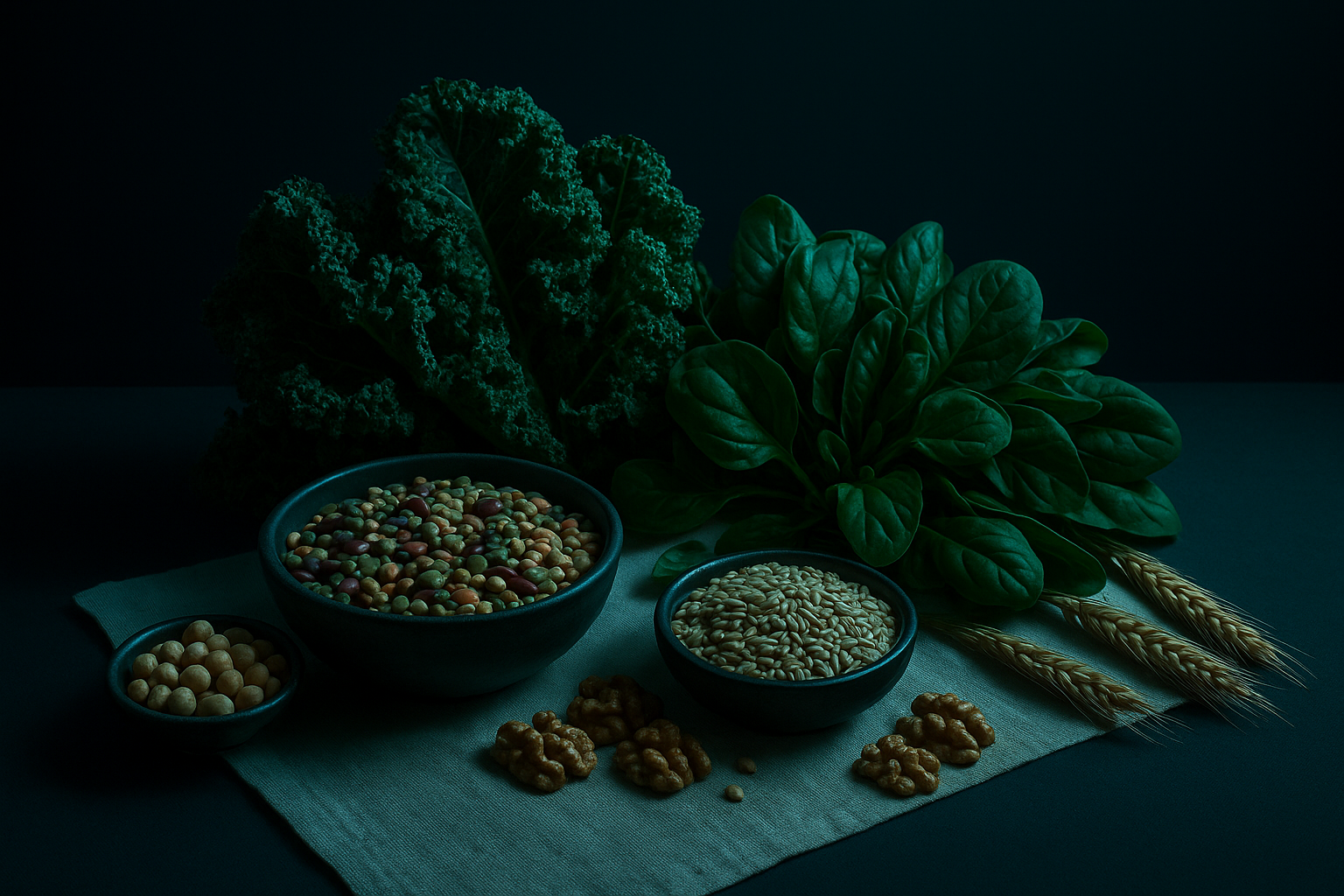
Vegetable Nutritional Decline Linked to Climate and Meat
Recent research highlights a critical shift in the nutritional content of vegetables. Scientific findings suggest that vegetables are becoming less nutritious, a phenomenon attributed partly to climate change and the environmental impact of meat consumption Source.
This development raises important questions about future food security and public health, as the foundational elements of a healthy diet are undergoing significant changes.
The Impact of Climate Change
Climate change, characterized by rising CO2 levels and altered weather patterns, directly affects how plants grow and absorb nutrients. Higher atmospheric CO2 can accelerate photosynthesis but simultaneously dilute essential minerals and vitamins within plants. This means that while plants might grow faster or larger, their nutritional density can decrease.
Meat Consumption's Role
The research cited indicates that meat consumption is part of the problem. Industrial meat production contributes significantly to greenhouse gas emissions, exacerbating climate change. Furthermore, the land and resources required for animal agriculture often divert from more diversified, nutrient-dense plant cultivation. This creates a feedback loop where demand for meat intensifies environmental pressures, which in turn diminishes the nutritional quality of plant-based foods.
Implications for the Plant-Based Industry
For businesses in the plant-based sector, this presents both challenges and opportunities. There's a heightened need for innovation in developing plant-based products that are not only delicious and accessible but also nutritionally robust. This could involve:
- Enhancing nutrient density: Formulating products with naturally nutrient-rich ingredients or through fortification.
- Sustainable sourcing: Prioritizing suppliers who employ sustainable agricultural practices that mitigate climate impact and preserve soil health.
- Educating consumers: Informing the public about the nutritional benefits of plant-based diets and the environmental advantages of reducing meat consumption.
Broader Market Response
This trend underscores the necessity for comprehensive changes across the food system. From agricultural policies promoting sustainable farming to consumer education on dietary choices, the spotlight is on practices that can reverse nutrient decline and foster more resilient food sources.
In related news, the history of tofu shops in the US illustrates a long-standing presence and evolving consumer acceptance of plant-based staples, suggesting a market receptive to plant-focused innovations Source. Meanwhile, discussions around what constitutes a healthy diet continue, with some high-profile figures like soccer star Erling Haaland engaging in controversial dietary practices, prompting health experts to weigh in on the implications of diets featuring animal organs Source.
Key takeaways
- 01Vegetables are experiencing a measurable decline in nutrient density due to climate change and agricultural practices.
- 02Meat consumption indirectly contributes to this reduction by intensifying climate-related factors affecting crop nutrition.
- 03Plant-based businesses have an opportunity to innovate in product formulation, focusing on high-nutrient density and sustainable sourcing.
- 04There is a growing need for consumer education on the nutritional and environmental benefits of plant-based diets.
Frequently asked
How does climate change reduce vegetable nutrition?+
Increased atmospheric CO2, a key component of climate change, can boost plant growth but also dilute essential minerals and vitamins within the plants, leading to a decrease in overall nutritional density.
What role does meat consumption play in this trend?+
Industrial meat production contributes significantly to greenhouse gas emissions, which exacerbate climate change. The resources used for animal agriculture also often detract from efforts to cultivate more nutrient-dense plant crops.
What are the business implications for the plant-based industry?+
Businesses in the plant-based industry can leverage this trend by focusing on product innovation for nutrient-dense offerings, implementing sustainable sourcing, and educating consumers about the benefits of plant-based diets.
Should we expect changes in consumer demand for fortified plant-based foods?+
Yes, as awareness of nutrient decline grows, consumers may increasingly seek out plant-based foods that are naturally nutrient-rich or fortified to ensure adequate dietary intake, creating new market opportunities.
Sources
Every lesson is drafted from primary sources - official announcements, vendor blogs, and reputable industry reporting - then edited by our pipeline.
More on Plant-Based
See all →Aug 3, 2026
What Are the Best Plant-Based Protein Sources?
Discover a variety of nutrient-dense plant-based foods that provide ample protein, supporting a healthy diet and lifestyle.
Jul 23, 2026
How to Get Enough Protein on a Plant-Based Diet
This lesson explains how to meet your protein needs on a plant-based diet by incorporating diverse plant protein sources into every meal and snack.
Jul 20, 2026
Dietary Trials Can Be Misleading: Understanding Wash-in & Washout
Short-term nutrition studies often don't account for the time it takes for physiological changes to fully develop or disappear, potentially leading to inaccurate results about dietary effects.
Jul 20, 2026
Dietary Trials Can Be Misleading: Understanding Wash-in & Wash-Out
New research highlights how 'wash-in' and 'wash-out' effects, where the body adapts to or from a diet, can bias short-term nutrition studies, making their conclusions unreliable.
Free account
Want to go deeper?
Sign up free to unlock the full daily industry feed, save posts and articles to your library, and chat with the coach about anything you read.