
What Are Macros in Food? Understanding Macronutrients
This lesson explains what macronutrients (macros) are, their roles in the body, and how they contribute to energy intake and overall nutrition.
Written by the Nutrition Tutor Academy teaching team from 3 primary sources. How we source →
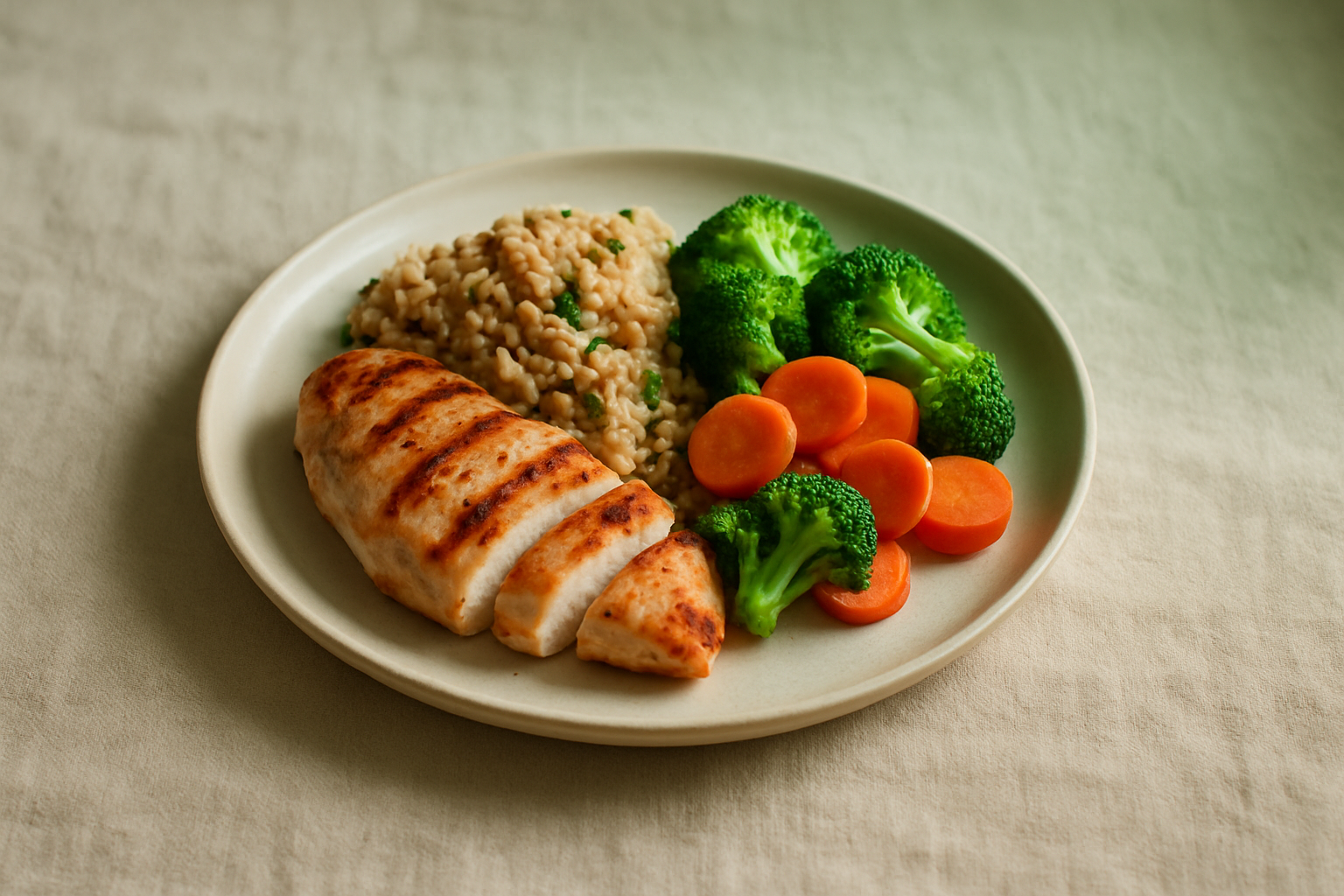
Quick answer: Macros, short for macronutrients, are the three primary types of nutrients that the body needs in large amounts for energy, growth, metabolism, and other bodily functions. These are carbohydrates, proteins, and fats, each playing distinct roles in supporting health and physical activity. They are the foundation of any diet, providing the calories essential for life.
Quick facts
- Macronutrients are carbohydrates, proteins, and fats.
- They provide the body with energy, measured in calories.
- Carbohydrates are the body's primary energy source.
- Proteins are crucial for building and repairing tissues, including muscle.
- Fats are vital for hormone production, nutrient absorption, and long-term energy storage.
- Alcohol also provides calories but is not considered a macronutrient.
When we talk about nutrition, 'macros' is a term you'll often hear. It refers to macronutrients, the main components of food that provide the body with energy and essential compounds needed for life.
What are the Three Main Macronutrients?
The three main macronutrients are carbohydrates, proteins, and fats. Each plays a distinct and crucial role in the body. They are called 'macro' because the body requires them in relatively large quantities, typically measured in grams.
Carbohydrates: Your Body's Preferred Energy Source
Carbohydrates are primarily known as the body's main source of energy. They are broken down into glucose, which fuels your cells, tissues, and organs. Carbs can be found in grains, fruits, vegetables, and legumes. They provide approximately 4 calories per gram. Examples include whole grains like oats and brown rice, fruits such as apples and bananas, and starchy vegetables like potatoes.
Proteins: The Building Blocks of the Body
Proteins are essential for building and repairing tissues, including muscles, organs, and skin. They are also crucial for making enzymes, hormones, and other body chemicals. Proteins provide approximately 4 calories per gram. Good sources include lean meats, poultry, fish, eggs, dairy products, legumes, and nuts. Research suggests that adequate protein intake, particularly around 1.6 grams per kilogram of body weight per day, may support gains in muscle mass and strength, especially when combined with resistance training Source.
Fats: Essential for Health and Energy Storage
Dietary fats are vital for several bodily functions, including hormone production, absorption of fat-soluble vitamins (A, D, E, K), and providing insulation. They are also a concentrated source of energy, providing approximately 9 calories per gram. Healthy fats can be found in avocados, nuts, seeds, olive oil, and fatty fish. It's important to differentiate between beneficial unsaturated fats and less beneficial saturated and trans fats.
How Do Macronutrients Provide Energy?
Each macronutrient contributes to your total caloric intake, which is the energy your body uses to function. When you consume food, your digestive system breaks down carbohydrates into glucose, proteins into amino acids, and fats into fatty acids. These molecules are then used immediately for energy or stored for later use. For example, glucose can be stored as glycogen in the liver and muscles, and excess energy from any macronutrient can be stored as body fat.
Why is Balancing Macronutrients Important?
Balancing your intake of carbohydrates, proteins, and fats is key to maintaining overall health and achieving specific dietary goals. An appropriate balance supports stable energy levels, helps manage body weight, and ensures your body receives all the necessary components for repair and growth. For instance, an athlete might prioritize higher carbohydrate intake to fuel performance, while someone focused on muscle maintenance might emphasize protein.
Can Alcohol Be Considered a Macronutrient?
While alcohol (ethanol) provides calories (approximately 7 calories per gram), it is not considered a macronutrient. Macronutrients are defined by their essential roles in providing energy and structural components necessary for survival and bodily functions. Alcohol does not offer the same nutritional benefits as carbohydrates, proteins, or fats and can be toxic to the body in large amounts.
Worked Example: Calculating Macros for a Meal
Let's say a meal consists of a chicken breast (30g protein, 5g fat, 0g carbs), a medium sweet potato (4g protein, 0g fat, 27g carbs), and a serving of broccoli (2g protein, 0g fat, 6g carbs).
- Protein: (30g + 4g + 2g) * 4 calories/gram = 36g * 4 = 144 calories
- Carbohydrates: (0g + 27g + 6g) * 4 calories/gram = 33g * 4 = 132 calories
- Fats: (5g + 0g + 0g) * 9 calories/gram = 5g * 9 = 45 calories
Total calories for this meal = 144 + 132 + 45 = 321 calories. This example illustrates how the grams of each macro contribute to the total caloric value of a meal.
Key takeaways
- 01Macronutrients are carbohydrates, proteins, and fats, required in large quantities for energy and vital bodily functions.
- 02Carbohydrates provide 4 calories/gram and are the body's primary energy source.
- 03Proteins provide 4 calories/gram and are essential for tissue repair and growth, with ~1.6 g/kg/day potentially supporting muscle gains.
- 04Fats provide 9 calories/gram and are crucial for hormone production, vitamin absorption, and long-term energy.
- 05Balancing these macros supports energy levels, physical performance, and overall health.
Frequently asked
What is the difference between macronutrients and micronutrients?+
Macronutrients (carbs, proteins, fats) are needed in large amounts and provide energy, while micronutrients (vitamins, minerals) are needed in smaller amounts for bodily functions but do not provide calories.
Do all foods contain all three macronutrients?+
Most whole foods contain a combination of macronutrients, though often one macro is more dominant. For example, chicken is primarily protein, while olive oil is almost entirely fat. Fruits are mostly carbohydrates.
How many calories does each macronutrient provide?+
Carbohydrates provide 4 calories per gram, proteins provide 4 calories per gram, and fats provide 9 calories per gram.
What is a 'macro split'?+
A 'macro split' refers to the percentage distribution of carbohydrates, proteins, and fats in an individual's daily caloric intake, often tailored to specific health or fitness goals.
Can I lose weight by just counting macros?+
While tracking macros can help manage calorie intake and food choices, sustainable weight management also depends on overall dietary quality, portion control, and energy balance (calories in vs. calories out).
Are there 'good' and 'bad' macros?+
No, all macronutrients are essential. However, the *sources* of these macros matter for health. For example, unsaturated fats are generally more beneficial than trans fats, and complex carbohydrates are often preferred over simple sugars.
Sources
Every lesson is drafted from primary sources - official announcements, vendor blogs, and reputable industry reporting - then edited by our pipeline.
More on Macros & Energy
See all →Jan 1, 1970
Carb Cycling Explained: A Guide to Strategic Carbohydrate Intake
This lesson explains carb cycling, a dietary strategy that varies carbohydrate intake daily or weekly to support fitness and health goals, differentiating between high-carb and low-carb days.
Jan 1, 1970
How Many Carbs Should I Eat? A Guide to Daily Carbohydrate Intake
Learn how to determine your ideal daily carbohydrate intake based on your energy needs, activity level, and health goals, ranging from general recommendations to specific dietary approaches.
Jan 1, 1970
High-Protein Foods for Weight Loss: Your Essential Guide
Discover how incorporating high-protein foods can support weight loss by enhancing satiety, preserving muscle, and boosting metabolism.
Jan 1, 1970
How Many Grams of Protein Are in an Egg?
This lesson details the typical protein content of an egg, factors influencing it, and how to incorporate eggs into a protein-rich diet.
Free account
Want to go deeper?
Sign up free to unlock the full daily industry feed, save posts and articles to your library, and chat with the coach about anything you read.