
What Are the Best Foods for Gut Health? A Nutrition Guide
Learn how dietary fiber and other specific foods can support a healthy gut microbiota, influencing overall wellness and digestive function.
Written by the Nutrition Tutor Academy teaching team from 3 primary sources. How we source →
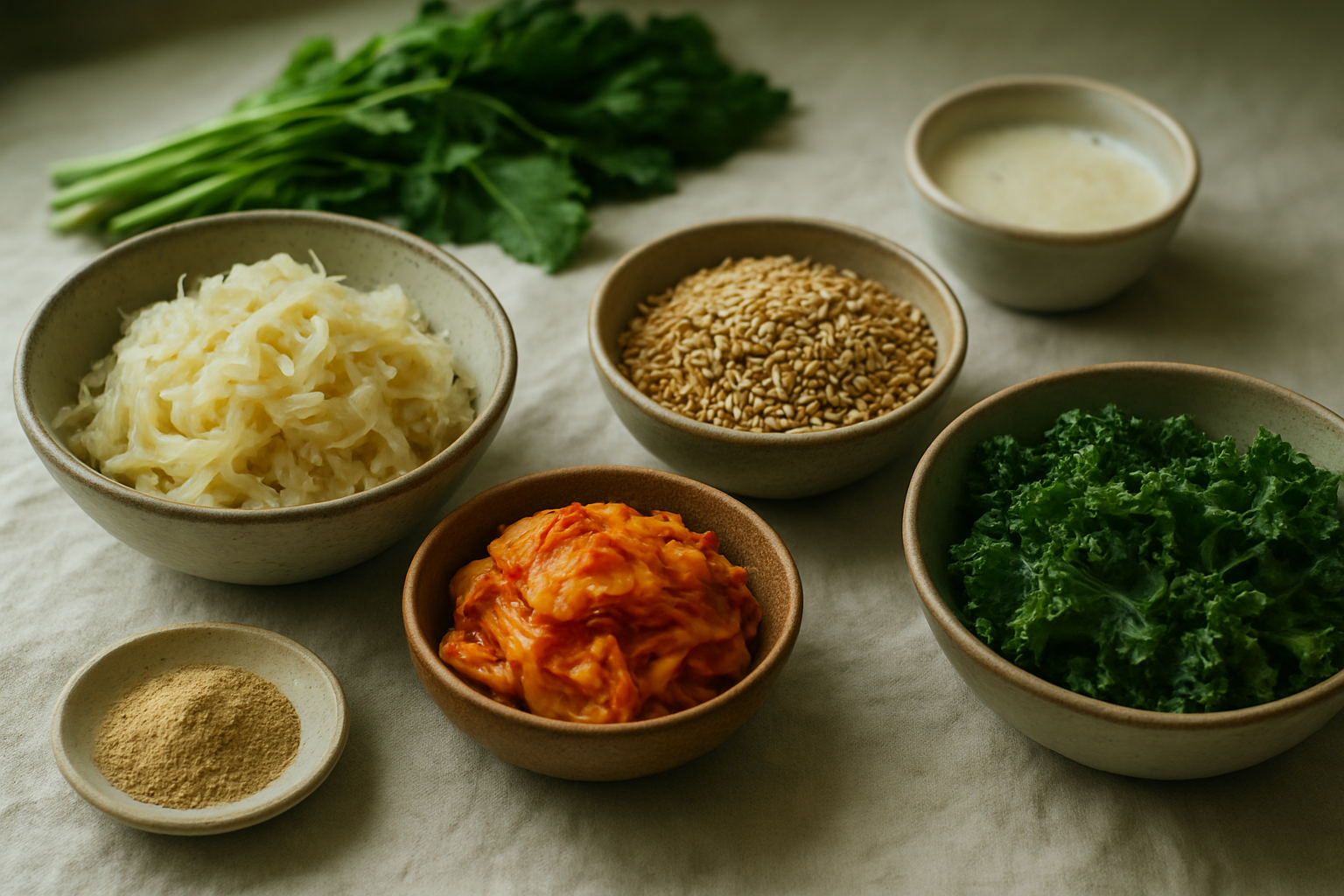
Quick answer: Foods rich in dietary fiber are among the best choices for gut health, as they provide essential fuel for beneficial gut microbes. This fermentation process produces short-chain fatty acids (SCFAs) that nourish gut cells and may support various aspects of human health, including immune and metabolic functions.
Quick facts
- Dietary fiber is crucial for fueling gut microbes, leading to beneficial short-chain fatty acid production.
- Butyrate, a SCFA, is a primary energy source for colon cells and may support gut barrier function.
- A diverse gut microbiota, often supported by varied fiber intake, is generally associated with better health.
- Some foods, like certain artificial sweeteners and emulsifiers, can negatively impact gut microbiota diversity.
- Fermented foods and certain plant compounds may also contribute positively to gut health.
- Low microbiota diversity is linked to various health conditions, highlighting the importance of a rich gut ecosystem.
The human gastrointestinal tract hosts approximately 100 trillion microorganisms, collectively known as the gut microbiota. These microbes play a vital role, influencing everything from immune function to metabolism. Your diet significantly shapes this internal ecosystem, making food choices a powerful tool for supporting gut health.
What types of foods support a healthy gut microbiota?
Eating a diet rich in dietary fiber is fundamental for maintaining a healthy gut. Fiber is not digested by human enzymes but is fermented by gut microbes, leading to the production of beneficial compounds like short-chain fatty acids (SCFAs) Source. These SCFAs nourish the cells lining the colon and may play roles in energy homeostasis, satiety, and immune regulation.
Why is dietary fiber so important for gut health?
Dietary fiber acts as a primary food source for many beneficial gut bacteria. When microbes ferment fiber, they produce SCFAs such as butyrate, propionate, and acetate. Butyrate, in particular, is the main energy source for colonocytes (cells in the colon) and may help maintain the gut's oxygen balance, preventing dysbiosis (microbial imbalance). Propionate is transferred to the liver and can influence glucose regulation and satiety, while acetate is involved in cholesterol metabolism and may impact appetite regulation.
Worked Example: The impact of an apple
When you eat an apple, your digestive system breaks down its sugars and some starches, but the fiber, primarily pectin, travels undigested to your large intestine. Here, beneficial gut bacteria feast on this pectin. As they ferment it, they produce SCFAs. These SCFAs then contribute to nourishing your gut lining, signaling to your brain about satiety, and potentially supporting your immune system. If you ate a processed snack with little to no fiber instead, your gut microbes would have far less fuel, and SCFA production would be minimal.
What specific foods are good sources of gut-friendly fiber?
Excellent sources of dietary fiber include a wide variety of plant-based foods. Whole grains like oats, barley, and quinoa are rich in fiber. Legumes such as beans, lentils, and chickpeas are also potent sources. Many fruits, including berries, apples, and bananas, and vegetables like broccoli, spinach, and carrots, contribute significant fiber. Nuts and seeds, such as almonds, chia seeds, and flaxseeds, offer both fiber and other beneficial nutrients.
Do fermented foods contribute to gut health?
While the primary benefit often comes from fiber, some fermented foods contain live beneficial microorganisms that may temporarily influence the gut microbiota. Examples include yogurt with live cultures, kefir, sauerkraut, kimchi, and kombucha. These foods can introduce a range of different microbial species into the digestive tract. However, the exact impact and colonization ability of these microbes can vary.
Are there foods that negatively impact gut health?
Yes, certain foods and ingredients can have adverse effects on the gut microbiota. A diet consistently low in fiber can reduce microbial diversity, which is associated with various health conditions. Some artificial sweeteners, such as sucralose, aspartame, and saccharin, have been shown in animal studies to potentially disrupt the balance and diversity of gut microbiota Source. Food additives like emulsifiers, commonly found in processed foods, have also been linked to reduced microbial diversity and an increase in inflammation-promoting bacteria in animal models.
Making informed dietary choices by prioritizing fiber-rich whole foods and being mindful of processed ingredients can be a key strategy for supporting a diverse and healthy gut microbiota. For personalized dietary advice, consult a qualified healthcare professional or registered dietitian.
Key takeaways
- 01Prioritize high-fiber foods such as fruits, vegetables, whole grains, and legumes to fuel beneficial gut microbes.
- 02Dietary fiber fermentation produces short-chain fatty acids (SCFAs), vital for gut cell health and overall well-being.
- 03A diverse gut microbiota, supported by varied plant-based foods, is a strong indicator of gut health.
- 04Limit consumption of artificial sweeteners and emulsifiers, which may negatively impact gut microbial balance.
- 05Consider including some fermented foods for potential temporary modulation of gut microbial populations.
Frequently asked
What is the primary role of gut microbiota?+
The gut microbiota ferments non-digestible substrates like dietary fibers, producing thousands of metabolites including short-chain fatty acids, which influence host fitness and health.
What are short-chain fatty acids (SCFAs) and why are they important?+
SCFAs (acetate, propionate, butyrate) are produced by gut bacteria fermenting fiber. Butyrate is a main energy source for colon cells, and SCFAs may influence glucose regulation, satiety, and cholesterol metabolism.
Does microbiota diversity matter for health?+
Yes, lower bacterial diversity has been observed in people with various conditions, and a species-rich gut ecosystem is generally considered a good indicator of a 'healthy gut' that is robust against environmental influences.
Can diet really change my gut microbiota?+
Yes, specific foods and dietary patterns significantly influence the abundance and types of bacteria in the gut, which in turn can affect health. Consuming fiber, for instance, dramatically impacts your gut's microbial community.
Are all artificial sweeteners bad for gut health?+
Some animal studies suggest that certain artificial sweeteners like sucralose, aspartame, and saccharin may negatively impact gut microbiota balance and diversity. More research is ongoing in humans.
How quickly can diet impact gut health?+
Dietary changes can begin to influence gut microbial composition relatively quickly, within days or weeks, though establishing long-term beneficial changes often requires sustained dietary patterns.
Sources
Every lesson is drafted from primary sources - official announcements, vendor blogs, and reputable industry reporting - then edited by our pipeline.
More on Gut Health
See all →Jan 1, 1970
How to Improve Your Gut Microbiome Naturally
Learn how dietary choices, including eating diverse plant-based foods and fermented products, along with lifestyle factors, can naturally support a healthy gut microbiome for overall well-being.
Jan 1, 1970
What Are the Signs of an Unhealthy Gut?
This lesson explains how an unhealthy gut, often characterized by an imbalanced microbiota or 'dysbiosis,' may manifest through various physical and systemic symptoms, impacting overall health.
Jan 1, 1970
What are the Best Sources of Soluble vs. Insoluble Fiber?
Learn the best food sources for both soluble and insoluble fiber and understand their distinct roles in supporting human gut health and overall well-being.
Jan 1, 1970
Is Kombucha Actually Healthy for Your Gut?
Discover if kombucha lives up to its health claims, particularly regarding its potential benefits for gut health and how its components may interact with your body.
Free account
Want to go deeper?
Sign up free to unlock the full daily industry feed, save posts and articles to your library, and chat with the coach about anything you read.