
How Much Fiber Per Day Do Adults Need?
Discover the recommended daily fiber intake for adults, its health benefits, and how to gradually increase fiber in your diet to avoid discomfort.
Written by the Nutrition Tutor Academy teaching team from 3 primary sources. How we source →
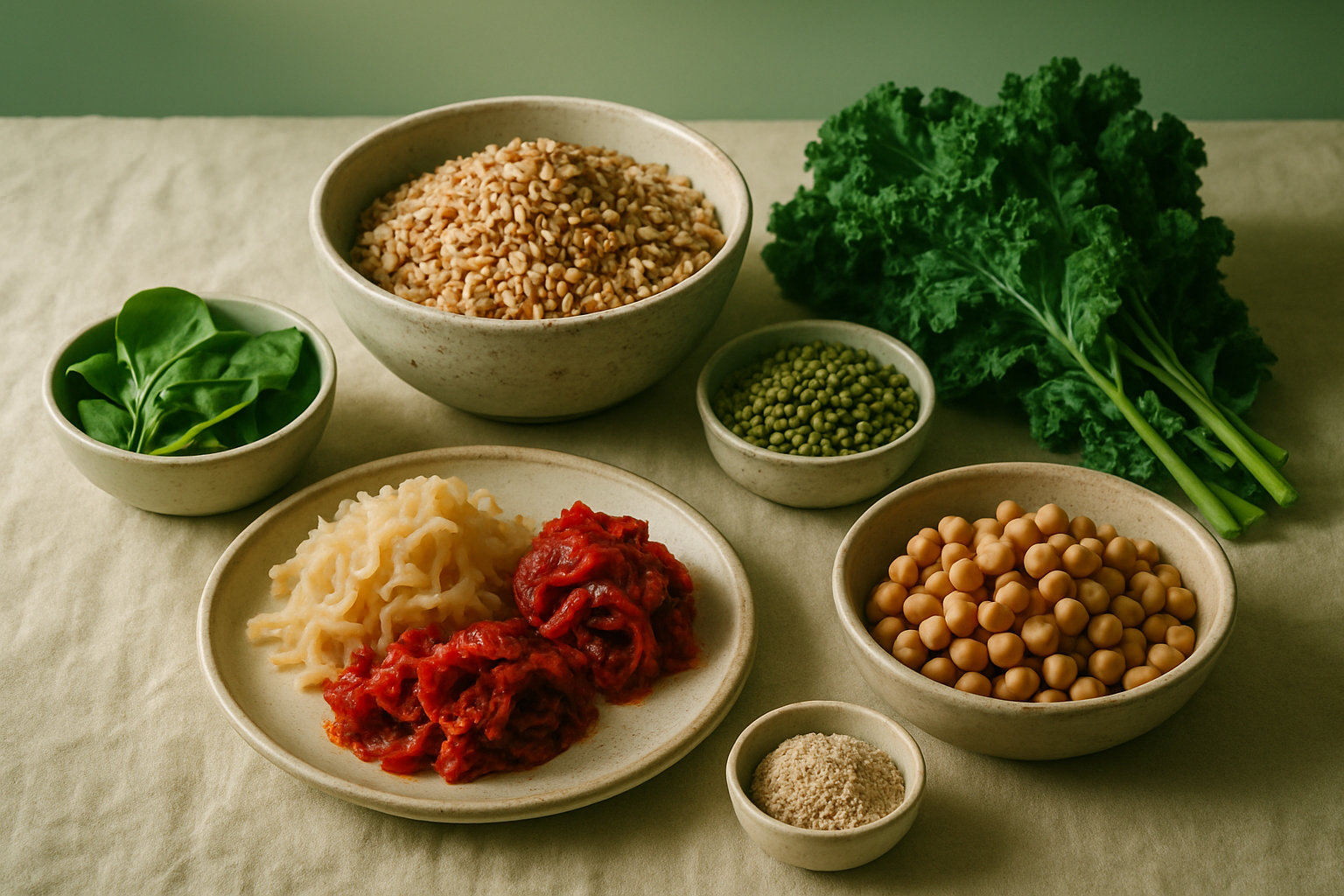
Quick answer: Adult women generally need about 25 grams of fiber per day, while adult men typically require 38 grams per day. This recommendation is based on consuming 14 grams of fiber per 1,000 calories. Fiber is crucial for gut function, blood sugar control, cholesterol management, and maintaining regular bowel movements.
Quick facts
- Women need about 25 grams of fiber daily.
- Men need about 38 grams of fiber daily.
- General recommendation: 14 grams of fiber per 1,000 calories consumed.
- Fiber helps control blood sugar and lower LDL cholesterol.
- Increasing fiber too quickly can cause bloating and gas.
- Most Americans do not consume enough fiber.
Dietary fiber, a type of carbohydrate found in plant foods, plays a vital role in human health despite not providing energy. Since human digestive enzymes cannot break it down, fiber passes through the digestive system, contributing to various benefits.
How Much Fiber Do Adults Need Per Day?
The general guideline for fiber intake is 14 grams per 1,000 calories consumed. For most adults, this translates to specific daily recommendations. Women are advised to consume around 25 grams of fiber per day, while men typically need about 38 grams of fiber daily Source.
Why is Fiber Important for Health?
Fiber is crucial for several aspects of health, primarily focusing on gut function and overall metabolic well-being. It contributes to:
- Blood sugar control: Helps stabilize glucose levels.
- Lowering LDL cholesterol: Contributes to reduced "bad" cholesterol levels.
- Regular bowel movements: Prevents constipation and promotes digestive regularity.
- Increased feelings of fullness: Supports weight management by enhancing satiety.
- Reduced risk of colorectal cancer: Plays a role in preventing certain chronic diseases.
- Promoting a healthy gut microbiome: Supports the beneficial bacteria in your digestive system.
Can You Have Too Much Fiber?
While most people don't get enough fiber, it is possible to consume too much or increase intake too rapidly. There isn't an official upper limit for fiber, but exceeding the recommended amounts significantly doesn't necessarily offer additional health benefits. In fact, consuming very large amounts or increasing fiber too quickly can lead to discomforting side effects such as bloating, gas, and bowel irregularity Source.
How Can You Increase Fiber Without Discomfort?
To avoid digestive upset when boosting fiber intake, gradual changes are key. If you are not accustomed to a high-fiber diet, aim to increase your intake slowly to allow your digestive system to adapt. It's also essential to drink plenty of water, as low water intake can worsen negative side effects on a high-fiber diet Source.
Example: To gradually increase fiber, start by adding 5 grams of fiber per day for five days. If you tolerate this well, continue adding an additional 5 grams every five days until you reach your recommended daily amount.
Which Foods Are Highest in Fiber?
Many whole foods are excellent sources of dietary fiber. Incorporating these into your meals can significantly boost your daily intake.
- Fruits and Vegetables: Berries, apples, pears, broccoli, spinach, and carrots are rich in fiber. For instance, adding ½ cup of raspberries and ¼ cup of walnuts to 1 cup of oatmeal can increase its fiber content from 4 grams to 10 grams.
- Whole Grains: Swap refined grains for whole-wheat options. For example, replacing regular pasta (3 grams fiber) with whole-wheat pasta (7 grams fiber) or white bread (0 grams) with whole-wheat bread (2 grams).
- Legumes: Beans, lentils, and chickpeas are fiber powerhouses. Adding chickpeas to a pasta salad can boost its fiber content from 4 grams to 9 grams.
Are Fiber Supplements Necessary?
Fiber supplements are generally unnecessary unless you are experiencing constipation or have a specific medical recommendation. Obtaining fiber from whole foods is superior for both gut health and overall nutrition, as whole foods provide a broader spectrum of nutrients. Supplements can also increase the risk of consuming too much fiber too quickly, potentially leading to digestive discomfort.
Key takeaways
- 01Adult women need about 25g of fiber daily, while men need 38g, based on a 14g/1000 calorie ratio.
- 02Fiber supports gut health, blood sugar control, cholesterol reduction, and regular bowel movements.
- 03Gradually increase fiber intake to avoid discomfort like bloating and gas.
- 04Focus on whole food sources like fruits, vegetables, whole grains, and legumes for fiber.
- 05Fiber supplements are generally not needed unless advised for specific conditions like constipation.
Frequently asked
How many grams of fiber should a woman eat per day?+
Adult women should aim for approximately 25 grams of fiber per day.
What is the recommended daily fiber intake for men?+
Adult men are generally recommended to consume around 38 grams of fiber per day.
What happens if I eat too much fiber?+
Eating too much fiber, especially if increased rapidly, can cause digestive discomforts like bloating, gas, and bowel irregularity.
What foods are good sources of fiber?+
Excellent sources of fiber include fruits (like raspberries), vegetables (like broccoli), whole grains (like whole-wheat pasta), and legumes (like chickpeas and beans).
Can fiber help with weight loss?+
Yes, fiber can promote feelings of fullness and satiety, which can help with weight management and reduction.
Is getting fiber from supplements as good as from food?+
Getting fiber from whole foods is generally better than from supplements, as whole foods provide additional nutrients and a more comprehensive benefit for gut health.
How can I increase my fiber intake gradually?+
Start by adding 5 grams of fiber per day for five days, and if tolerated, repeat this incremental increase until you reach your daily goal. Remember to drink plenty of water.
Sources
Every lesson is drafted from primary sources - official announcements, vendor blogs, and reputable industry reporting - then edited by our pipeline.
More on Gut Health
See all →Jan 1, 1970
How to Improve Your Gut Microbiome Naturally
Learn how dietary choices, including eating diverse plant-based foods and fermented products, along with lifestyle factors, can naturally support a healthy gut microbiome for overall well-being.
Jan 1, 1970
What Are the Signs of an Unhealthy Gut?
This lesson explains how an unhealthy gut, often characterized by an imbalanced microbiota or 'dysbiosis,' may manifest through various physical and systemic symptoms, impacting overall health.
Jan 1, 1970
What are the Best Sources of Soluble vs. Insoluble Fiber?
Learn the best food sources for both soluble and insoluble fiber and understand their distinct roles in supporting human gut health and overall well-being.
Jan 1, 1970
Is Kombucha Actually Healthy for Your Gut?
Discover if kombucha lives up to its health claims, particularly regarding its potential benefits for gut health and how its components may interact with your body.
Free account
Want to go deeper?
Sign up free to unlock the full daily industry feed, save posts and articles to your library, and chat with the coach about anything you read.