
How Much Protein Do You Need Per Day?
This lesson explains how to calculate your daily protein needs based on factors like activity level, age, and health goals, and provides practical dietary recommendations.
Written by the Nutrition Tutor Academy teaching team from 3 primary sources. How we source →
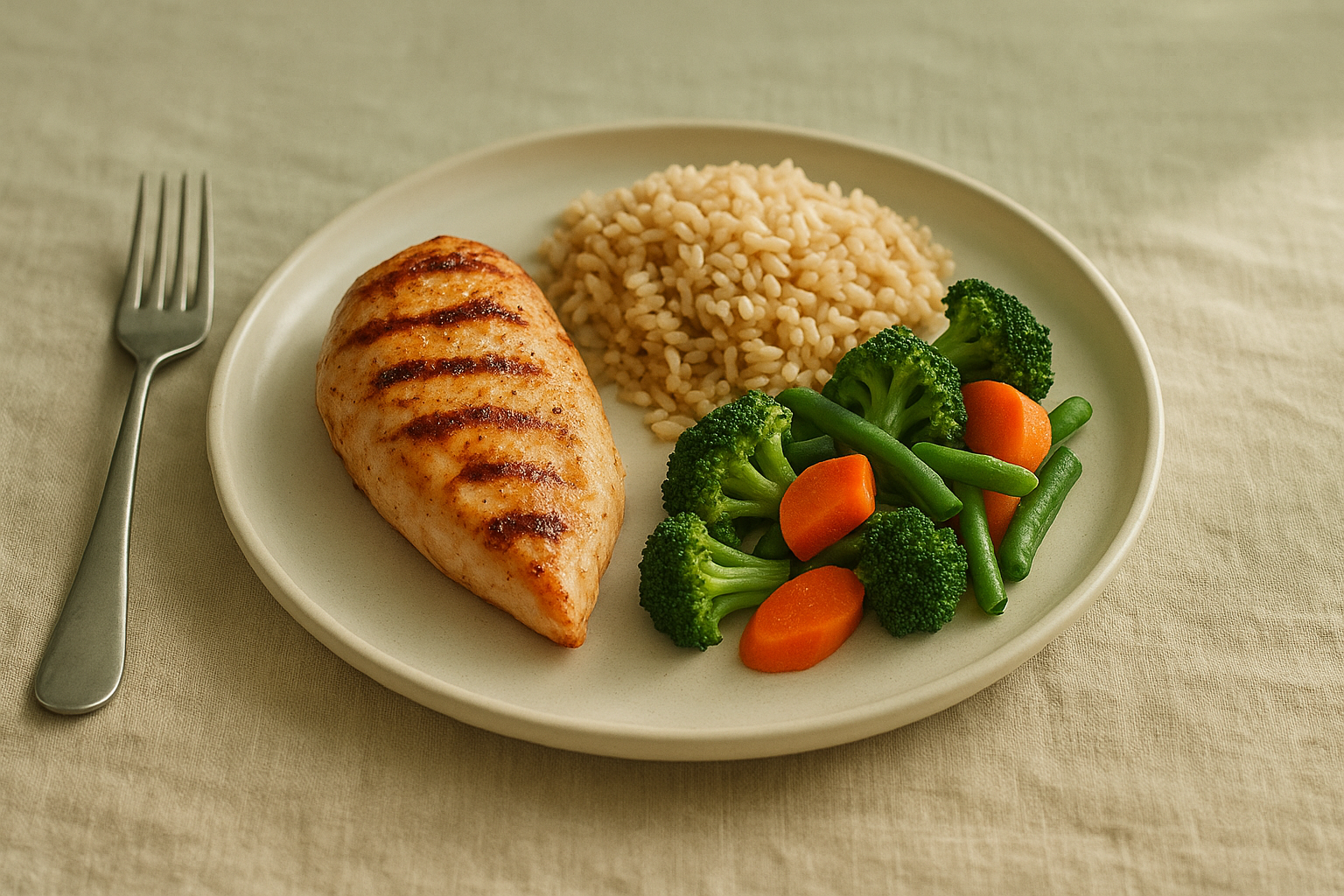
Quick answer: Most adults need a minimum of 0.8 grams of protein per kilogram of body weight daily. However, active individuals, older adults, and those looking to build muscle may benefit from higher intakes, ranging from 1.2 to 2.2 grams per kilogram of body weight to support muscle maintenance, growth, and overall health.
Quick facts
- Minimum recommended intake: 0.8 grams per kilogram of body weight.
- Active individuals often benefit from 1.2–1.7 grams per kg per day.
- Older adults may need 1.0–1.2 grams per kg to prevent muscle loss.
- For muscle building, 1.6–2.2 grams per kg per day is commonly recommended.
- One gram of protein provides approximately 4 calories.
- Spread protein intake throughout the day for optimal absorption and benefits.
Protein is a critical macronutrient, essential for building and repairing tissues, making enzymes and hormones, and supporting immune function. Meeting your daily protein requirements is fundamental for everyone, from sedentary individuals to elite athletes.
How much protein do adults need per day?
The minimum recommended dietary allowance (RDA) for protein for a sedentary adult is 0.8 grams per kilogram (kg) of body weight per day Source. To convert pounds to kilograms, divide your weight in pounds by 2.2. For example, a 150-pound (68 kg) individual would need at least 54.4 grams of protein daily (68 kg x 0.8 g/kg).
Does activity level affect protein needs?
Yes, your activity level significantly impacts your protein requirements. Individuals who engage in regular physical activity, especially resistance training, need more protein to repair muscle damage and support muscle growth. Active adults generally aim for 1.2–1.7 grams of protein per kg of body weight per day. For a 150-pound (68 kg) active individual, this translates to roughly 82–116 grams of protein daily.
Example:
- A 180-pound (81.8 kg) sedentary person needs 81.8 kg * 0.8 g/kg = 65.4 grams of protein.
- A 180-pound (81.8 kg) active person might aim for 81.8 kg * 1.5 g/kg = 122.7 grams of protein.
How much protein is recommended for muscle growth?
For optimal muscle growth and maintenance, individuals engaged in strength training or bodybuilding often target higher protein intakes. Recommendations typically fall within the range of 1.6–2.2 grams of protein per kilogram of body weight per day Source. This higher intake helps maximize muscle protein synthesis, leading to better gains in muscle mass.
- Muscle building: 1.6–2.2 grams of protein per kg of body weight.
- Older adults (to prevent muscle loss): 1.0–1.2 grams of protein per kg of body weight.
Can special conditions or diets change protein needs?
Certain situations and dietary patterns can alter protein requirements. For instance, pregnant or breastfeeding women have increased protein needs to support fetal development and milk production. Those recovering from injuries or surgery also require more protein for tissue repair and healing. Additionally, individuals following plant-based diets may need to pay closer attention to protein sources and ensure a varied intake to obtain all essential amino acids.
What are common sources of protein?
Protein can be found in a wide variety of foods. Here are some common examples:
- Animal-based sources: Lean meats (chicken, beef), fish, eggs, dairy products (milk, yogurt, cheese).
- Plant-based sources: Legumes (beans, lentils), tofu, tempeh, quinoa, nuts, seeds, and certain grains.
Incorporating a mix of these sources throughout your day helps ensure you consume a complete amino acid profile, which is important for overall health and bodily functions.
Key takeaways
- 01Aim for at least 0.8 grams of protein per kg of body weight daily as a baseline.
- 02Increase protein intake to 1.2–2.2 grams per kg if you're active or seeking muscle growth.
- 03Calculate your individual needs by dividing your weight in pounds by 2.2 to get kilograms.
- 04Distribute protein intake evenly across meals to optimize absorption and muscle repair.
- 05Diverse protein sources, both animal and plant-based, offer a complete amino acid profile.
Frequently asked
What is the minimum protein intake for a sedentary adult?+
The minimum recommended dietary allowance (RDA) for a sedentary adult is 0.8 grams of protein per kilogram of body weight per day.
How do I calculate my protein needs if I weigh 160 pounds?+
First, convert your weight to kilograms: 160 pounds / 2.2 = 72.7 kg. Then, multiply by the recommended allowance: 72.7 kg * 0.8 g/kg = 58.2 grams of protein per day for a sedentary individual.
Do I need more protein if I work out regularly?+
Yes, active individuals typically benefit from 1.2 to 1.7 grams of protein per kilogram of body weight daily to support muscle repair and growth.
Can older adults benefit from more protein?+
Yes, older adults are often advised to consume 1.0 to 1.2 grams of protein per kilogram of body weight to help prevent age-related muscle loss (sarcopenia).
What happens if I don't eat enough protein?+
Insufficient protein intake can lead to muscle loss, weakened immune function, slower wound healing, and can affect the health of your skin, hair, and nails.
Is too much protein harmful?+
For most healthy individuals, high protein intake (up to 2.2 g/kg) is generally safe. However, individuals with pre-existing kidney conditions should consult a doctor before significantly increasing protein intake.
Sources
Every lesson is drafted from primary sources - official announcements, vendor blogs, and reputable industry reporting - then edited by our pipeline.
More on Macros & Energy
See all →Jan 1, 1970
Are Calories or Macros More Important? The Guide
Learn whether calories or macronutrients matter more for fat loss, muscle retention, and long-term metabolic health.
Jan 1, 1970
Carb Cycling Explained: A Guide to Strategic Carbohydrate Intake
This lesson explains carb cycling, a dietary strategy that varies carbohydrate intake daily or weekly to support fitness and health goals, differentiating between high-carb and low-carb days.
Jan 1, 1970
How Many Carbs Should I Eat? A Guide to Daily Carbohydrate Intake
Learn how to determine your ideal daily carbohydrate intake based on your energy needs, activity level, and health goals, ranging from general recommendations to specific dietary approaches.
Jan 1, 1970
High-Protein Foods for Weight Loss: Your Essential Guide
Discover how incorporating high-protein foods can support weight loss by enhancing satiety, preserving muscle, and boosting metabolism.
Free account
Want to go deeper?
Sign up free to unlock the full daily industry feed, save posts and articles to your library, and chat with the coach about anything you read.