
Sports Nutrition for Performance: Fat Metabolism & Sleep Explained
New insights from Dr. Mike Ormsbee challenge common nutrition myths, emphasizing that hard training and consistent nutrition override minor timing details for fat loss and performance, including pre-sleep eating.
Written by the Nutrition Tutor Academy teaching team from 3 primary sources. How we source →
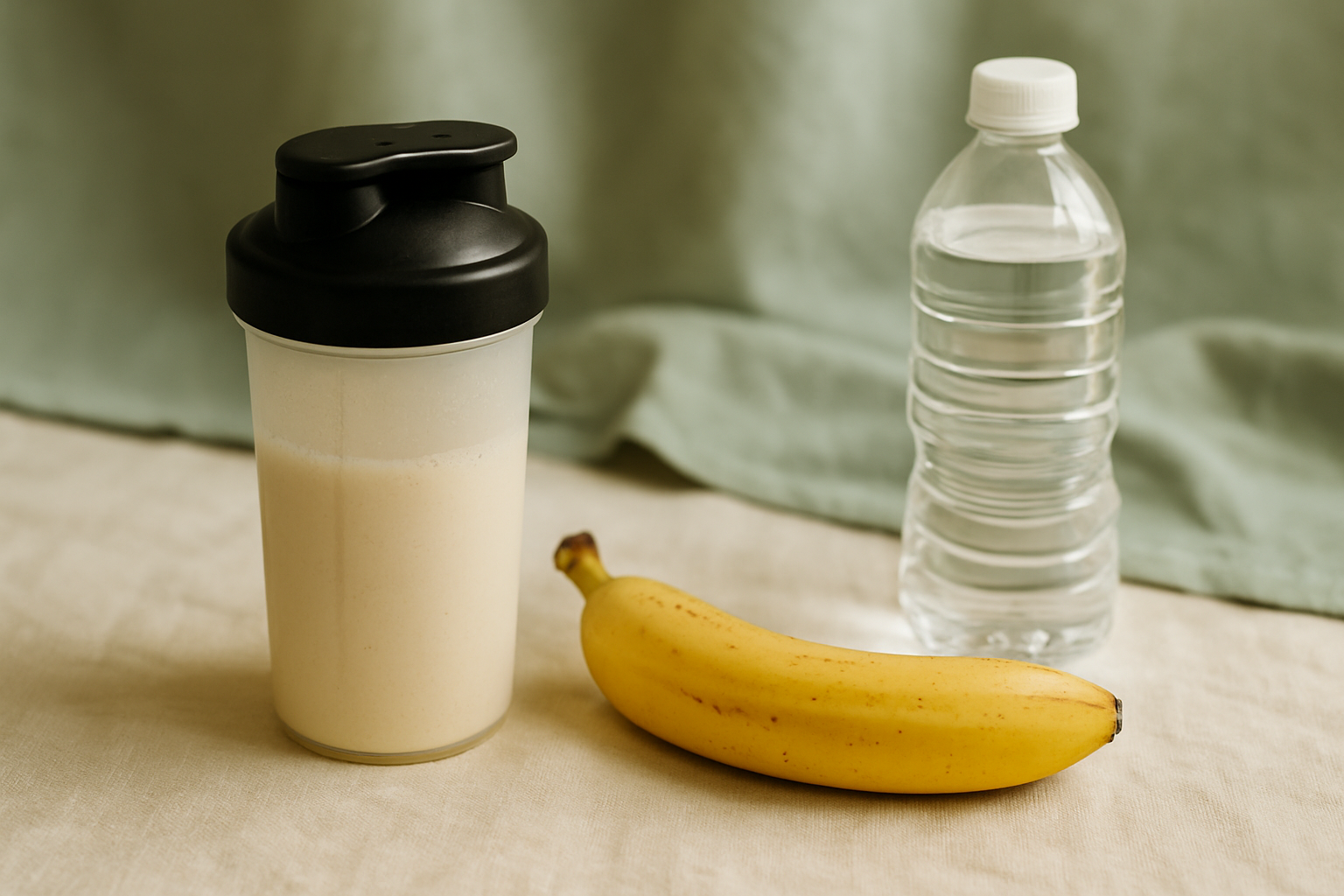
Ever wonder if eating before bed sabotages your fat loss goals, or how fat metabolism really works? Dr. Mike Ormsbee, Director of the Institute of Sports Science and Medicine at Florida State University, sheds light on these and other key sports nutrition topics Source.
Training & Fat Metabolism: Beyond the Basics
Many people focus on specific mechanisms when trying to lose fat, but Dr. Ormsbee highlights the difference between lipolysis (fat breakdown) and actual fat loss. While certain exercises or nutrients might increase fat breakdown, this doesn't automatically translate to losing body fat unless there's an overall calorie deficit and consistent effort Source.
Resistance Training vs. Endurance Exercise
Both resistance training and endurance exercise play roles in fat metabolism. Cellular data might show differences in how these exercise types affect fat breakdown. However, in the real world, consistent hard training, regardless of type, contributes significantly to fat loss when combined with appropriate nutrition. The main takeaway is that sustained effort matters more than optimizing every minor physiological pathway Source.
Pre-Sleep Nutrition: Busting Myths
One common concern is whether eating, especially protein, before bed can hinder fat loss or disrupt sleep and recovery. Dr. Ormsbee's research, and a broader understanding of physiology, suggests that specific pre-sleep nutrition, particularly protein, doesn't ruin fat loss or negatively impact recovery Source.
In fact, consuming protein before sleep can contribute to muscle protein synthesis and recovery, which is beneficial for active individuals. The idea that all calories consumed at night are automatically stored as fat is oversimplified and not supported by comprehensive evidence when considering total daily caloric intake and activity levels.
Practical Takeaways for Sleep Nutrition
If your total daily calorie and macronutrient intake aligns with your goals, a pre-sleep snack, especially one rich in protein, is unlikely to derail your progress. Focus on your overall dietary pattern rather than fearing specific meal timing Source.
Hard Training Above All Else
A recurring theme in Dr. Ormsbee's discussion is the paramount importance of hard training. While nutrition timing and specific macronutrient ratios have their place, they are secondary to the fundamental effort put into training. Consistent, challenging workouts create the physiological demand that nutrition then supports Source.
This doesn't mean nutrition is unimportant. Rather, it means that chasing marginal gains from hyper-specific timing or supplements too early often distracts from the core drivers of progress: consistent, intense training and a generally sound nutritional strategy. For most people, focusing on hitting their training goals and maintaining a balanced diet will yield far greater results than worrying about minor details.
Interpreting Research and Real-World Outcomes
Dr. Ormsbee emphasizes the distinction between theoretical mechanisms and real-world outcomes. A particular nutrient might show a specific effect on a cellular level in a lab, but the actual impact on body composition or performance in a living, active human might be negligible or even different due to complex physiological interactions Source. It's crucial to look at research that bridges this gap to provide truly practical advice.
Collagen: A Friendly Disagreement
The discussion also touches on collagen, a popular supplement. While Dr. Ormsbee and Dr. Norton had a friendly disagreement, it highlights that even in scientific circles, understanding of specific supplements can evolve, and more research is always valuable to clarify their roles and effectiveness Source.
Ultimately, the science of sports nutrition is about applying evidence-based strategies that lead to tangible results for individuals, whether they are elite athletes or everyday exercisers.
Key takeaways
- 01Hard training and overall consistent nutrition are more critical for fat loss and performance than minor timing details.
- 02Eating protein before bed generally does not hinder fat loss or recovery, and can aid muscle protein synthesis.
- 03Focus on total daily caloric and macronutrient intake rather than fearing specific meal times, including pre-sleep.
- 04Distinguish between mechanisms (what happens at a cellular level) and real-world outcomes (actual results in the body).
- 05Don't get sidetracked by optimizing small details until the fundamentals of training and nutrition are consistently met.
Frequently asked
Does eating before bed make you gain weight?+
No, eating before bed does not inherently make you gain weight. Total daily calorie intake and overall diet quality are more important than when you consume your calories, according to Dr. Ormsbee.
Is protein before bed good for muscle recovery?+
Yes, consuming protein before bed can be beneficial for muscle recovery and muscle protein synthesis, especially for active individuals or athletes, without negatively impacting fat loss.
What is more important: resistance training or endurance for fat loss?+
Both resistance training and endurance exercise contribute to fat metabolism. The key is consistent, hard training of either type, combined with an appropriate dietary strategy for overall fat loss.
Should I worry about nutrient timing for my meals?+
While nutrient timing has a role, Dr. Ormsbee suggests it's secondary to consistent hard training and meeting your overall daily nutritional needs. Focus on the big picture before fine-tuning timing.
What's the main takeaway for improving my sports nutrition?+
Prioritize consistent, challenging exercise and a balanced overall diet tailored to your goals. Don't get overly concerned with micro-optimizations until these fundamental elements are solid.
Sources
Every lesson is drafted from primary sources - official announcements, vendor blogs, and reputable industry reporting - then edited by our pipeline.
More on Sports Nutrition
See all →Jul 23, 2026
What to Eat Before a Workout for Optimal Performance
Learn how to fuel your body effectively before exercise, distinguishing between light snacks for short workouts and balanced mini-meals for longer, more intense sessions.
Jul 20, 2026
Afternoon Exercise May Boost Fat Loss for Overweight Adults
Overweight and obese university students showed greater reductions in body fat when performing moderate-intensity exercise in the afternoon compared to the morning, according to an exploratory study.
Jul 20, 2026
New Research Insights on Sports, Activity, and Non-Sedentary Behavior
A leading journal highlights current research across sports, physical activity, and active living, exploring the benefits and risks of non-sedentary behaviors.
Jul 20, 2026
Ultra-Processed Foods Dominate Adolescent Diets, Study Finds
A new study reveals that ultra-processed foods (UPFs) contribute nearly two-thirds of the energy intake for New Zealand adolescents, leading to poorer nutrient profiles.
Free account
Want to go deeper?
Sign up free to unlock the full daily industry feed, save posts and articles to your library, and chat with the coach about anything you read.