
What to Eat Before a Workout for Optimal Performance
Learn how to fuel your body effectively before exercise, distinguishing between light snacks for short workouts and balanced mini-meals for longer, more intense sessions.
Written by the Nutrition Tutor Academy teaching team from 3 primary sources. How we source →
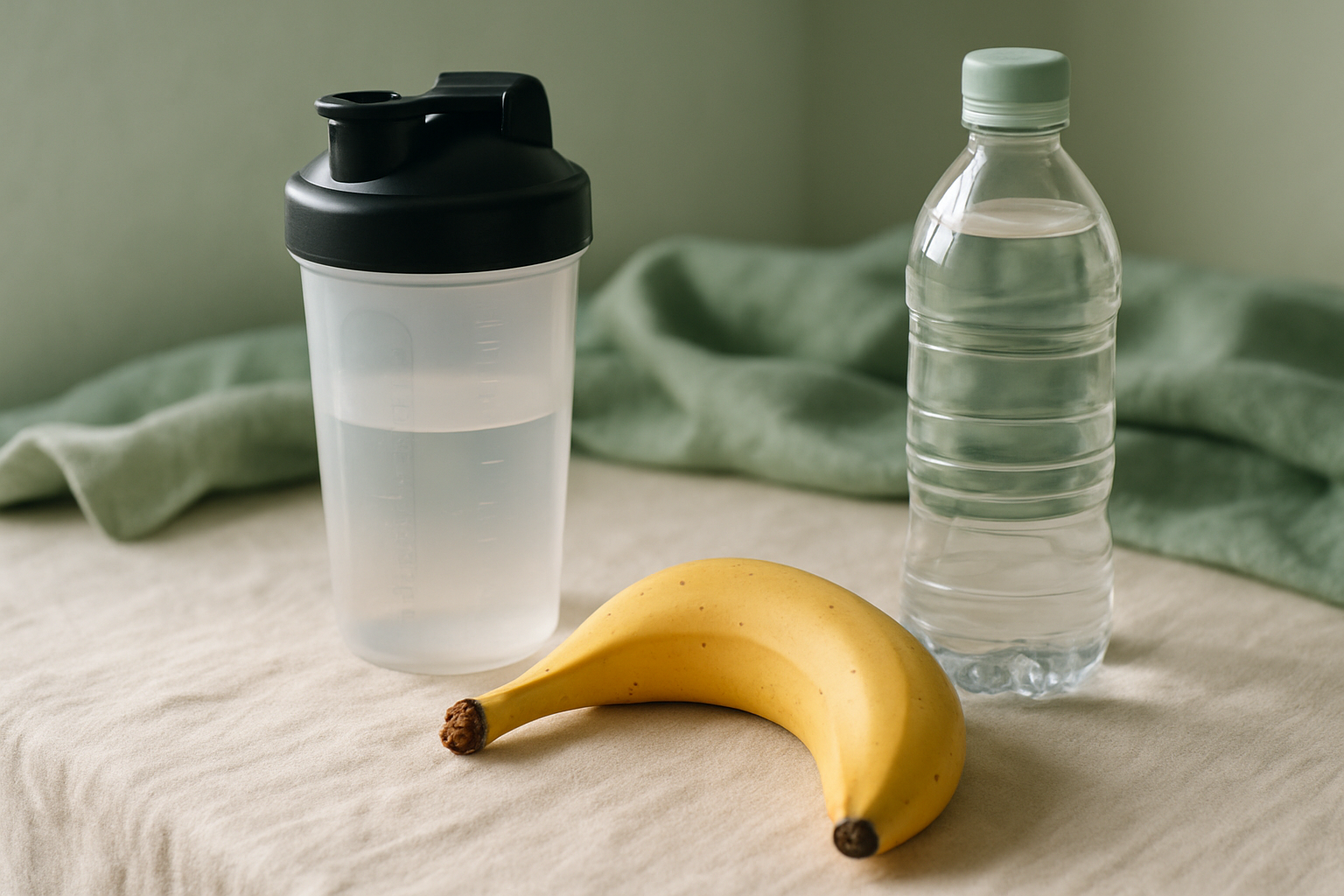
Quick answer: What you eat before a workout depends on its duration and intensity. For workouts under an hour, eating only if hungry is sufficient. For intense activities or sessions lasting over an hour, prioritize easy-to-digest carbohydrates 15-30 minutes beforehand, or a balanced mini-meal with carbs and lean protein 1-3 hours prior to optimize energy and performance.
Quick facts
- Carbohydrates are your body's primary fuel source before exercise.
- For workouts under 60 minutes and low intensity, eating is optional if not hungry.
- Eat easy-to-digest carbs 15-30 minutes before intense exercise.
- A balanced mini-meal with carbs and lean protein is ideal 1-3 hours pre-workout.
- Plain water is sufficient for most workouts under an hour.
- Caffeine 30-60 minutes before can enhance focus and reduce perceived effort.
Fueling your body correctly before a workout is crucial for optimizing performance, preventing mid-session fatigue, and potentially making the effort feel easier. Thinking of your workout like a 'road trip' helps to match your fuel to the intensity and duration of your exercise Source.
Should I always eat before exercising?
No, not necessarily. If you're doing a gentle activity for less than an hour, such as an easy walk or stretching, and you feel energized and not hungry, you don't need to force yourself to eat. However, for more intense activities like weightlifting, running, or HIIT, or if your workout will last longer than an hour, a pre-workout snack or meal is almost always beneficial for performance.
What are the best foods to eat right before a workout?
The closer you are to your workout, the lighter and simpler your food intake should be. The key is to consume quick, easy-to-digest carbohydrates for immediate energy, while keeping fat and fiber low to prevent stomach discomfort.
- 15-30 minutes before: Focus on simple, fast-acting carbohydrates. Examples include a banana, a small handful of pretzels, or a few gummy bears.
- 1-3 hours before: You have time for a balanced mini-meal. This should combine carbohydrates for sustained energy with a small amount of lean protein to help keep unwelcome hunger at bay. Try a small whole-wheat wrap with turkey, oatmeal with a scoop of protein powder, or a protein smoothie Source.
Carbohydrates: Your body's primary and most efficient fuel source during exercise. Lean Protein: Supports muscle maintenance and can help with satiety without weighing you down.
Do I need sports drinks or special electrolytes?
For most workouts lasting under an hour, plain water is typically sufficient to maintain hydration. However, for exercises exceeding an hour, especially in hot or humid conditions, sports drinks or electrolyte-rich foods can be beneficial. These beverages help replenish fluids, electrolytes, and carbohydrates lost through sweat, which can significantly impact endurance and performance. It's important to replace what you're losing, rather than over-consuming plain water, which can dilute sodium levels in the blood.
For example, if you're training for a marathon, sipping 16-24 ounces of fluid with 30-60 grams of carbohydrates per hour of exercise is a good guideline after the first hour.
Can caffeine improve my workout?
Yes, caffeine can be a legitimate workout booster. Science supports its ability to enhance energy, focus, and endurance, and even make physical effort feel less strenuous. A small to moderate amount, roughly 1-2 cups of coffee (under 400 milligrams of caffeine), consumed 30-60 minutes before your workout, is often the sweet spot. Excessive caffeine, however, can lead to jitters, a racing heart, or stomach upset. Always consume caffeine responsibly and consider your overall daily intake.
How should I choose my pre-workout meal timing?
Adjust your meal timing based on your workout's intensity and when you plan to start exercising. If you're heading straight to an intense session, opt for easily digestible carbs about 15-30 minutes out. If you have more time, say 1-3 hours, a more substantial mini-meal consisting of carbohydrates and lean protein will provide sustained energy. Always listen to your body and adjust as needed, as individual digestion rates can vary greatly. For instance, if you plan a high-intensity interval training (HIIT) session at 6 PM but had dinner at 4 PM, a small banana or a few dates around 5:30 PM could provide a quick energy boost without causing digestive distress.
Key takeaways
- 01You understand that pre-workout nutrition depends on workout duration and intensity.
- 02You can identify appropriate pre-workout foods for both immediate and longer fueling needs.
- 03You know when plain water is enough for hydration versus when sports drinks are beneficial.
- 04You recognize that caffeine can be a performance enhancer when used correctly before exercise.
- 05You can tailor your pre-workout meal timing and choices to optimize your exercise performance.
Frequently asked
What should I eat if I work out first thing in the morning?+
If your morning workout is light and under an hour, eating might not be necessary. For intense or longer morning workouts, a small, easily digestible carb like a banana 15-30 minutes prior can provide quick energy without upsetting your stomach.
Is it bad to work out on an empty stomach?+
For gentle, short workouts, exercising on an empty stomach is generally fine. For intense or long workouts, it can lead to decreased performance, fatigue, and low blood sugar. Listen to your body and fuel if you feel sluggish.
What should I avoid eating before a workout?+
Avoid foods high in fat, fiber, or excessive protein right before a workout, especially within an hour, as they can slow digestion and lead to stomach discomfort or sluggishness.
Can I drink coffee before a workout?+
Yes, a small to moderate amount (1-2 cups) of coffee 30-60 minutes before exercising can enhance focus and performance. Avoid excessive amounts to prevent jitters or stomach upset.
How long before a workout should I eat?+
Eat easily digestible carbs 15-30 minutes before, or a balanced mini-meal with carbs and lean protein 1-3 hours before, depending on the intensity and length of your workout.
What if I get an upset stomach after eating before a workout?+
If you experience stomach upset, try smaller portions, simpler carbohydrates, or extend the time between eating and your workout. Experiment to find what works best for your digestive system.
Sources
Every lesson is drafted from primary sources - official announcements, vendor blogs, and reputable industry reporting - then edited by our pipeline.
More on Sports Nutrition
See all →Jul 20, 2026
Sports Nutrition for Performance: Fat Metabolism & Sleep Explained
New insights from Dr. Mike Ormsbee challenge common nutrition myths, emphasizing that hard training and consistent nutrition override minor timing details for fat loss and performance, including pre-sleep eating.
Jul 20, 2026
Afternoon Exercise May Boost Fat Loss for Overweight Adults
Overweight and obese university students showed greater reductions in body fat when performing moderate-intensity exercise in the afternoon compared to the morning, according to an exploratory study.
Jul 20, 2026
New Research Insights on Sports, Activity, and Non-Sedentary Behavior
A leading journal highlights current research across sports, physical activity, and active living, exploring the benefits and risks of non-sedentary behaviors.
Jul 20, 2026
Ultra-Processed Foods Dominate Adolescent Diets, Study Finds
A new study reveals that ultra-processed foods (UPFs) contribute nearly two-thirds of the energy intake for New Zealand adolescents, leading to poorer nutrient profiles.
Free account
Want to go deeper?
Sign up free to unlock the full daily industry feed, save posts and articles to your library, and chat with the coach about anything you read.